Telangana Plans Rs 135 Bn Underground Cable Project
POWER & RENEWABLE ENERGY

Telangana Plans Rs 135 Bn Underground Cable Project

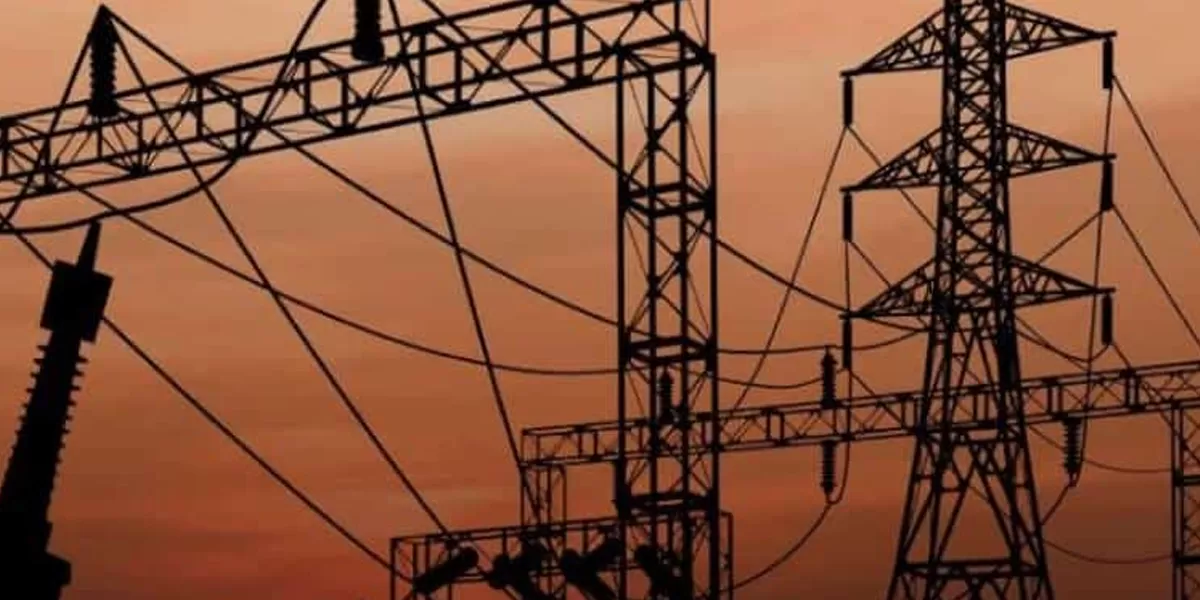
The Telangana government has unveiled an ambitious Rs 135 billion initiative to replace 25,000 km of overhead power lines with underground (UG) cables across the Core Urban Region (CUR), which includes Greater Hyderabad, areas within the Outer Ring Road, and Bharat Future City. The project seeks to modernise the city’s electrical infrastructure, aiming to reduce outages caused by weather or accidents.
Led by the Southern Power Distribution Company of Telangana Ltd (TGSPDCL), the scheme is designed to improve safety, reduce disruption during rainfall, and lower long-term maintenance costs. Currently, only 1,300 km of underground cabling exists in the region.
Inspired by the Bengaluru model, Telangana plans to adopt horizontal drilling techniques to limit road excavation and public inconvenience. The government is exploring financing through the Asian Development Bank and central government support schemes.
The underground cabling initiative is projected to save approximately Rs 5 billion annually by curbing power losses, theft, and upkeep costs.
Deputy Chief Minister Mallu Bhatti Vikramarka and officials had earlier reviewed Karnataka’s execution strategy. Successful implementation will require tight coordination with civic utilities and traffic authorities.
While the initiative presents logistical challenges, officials emphasise its importance in enhancing the capital’s infrastructure reliability and public safety. The work is expected to be completed in phases over the next four to five years.

The Telangana government has unveiled an ambitious Rs 135 billion initiative to replace 25,000 km of overhead power lines with underground (UG) cables across the Core Urban Region (CUR), which includes Greater Hyderabad, areas within the Outer Ring Road, and Bharat Future City. The project seeks to modernise the city’s electrical infrastructure, aiming to reduce outages caused by weather or accidents.Led by the Southern Power Distribution Company of Telangana Ltd (TGSPDCL), the scheme is designed to improve safety, reduce disruption during rainfall, and lower long-term maintenance costs. Currently, only 1,300 km of underground cabling exists in the region.Inspired by the Bengaluru model, Telangana plans to adopt horizontal drilling techniques to limit road excavation and public inconvenience. The government is exploring financing through the Asian Development Bank and central government support schemes.The underground cabling initiative is projected to save approximately Rs 5 billion annually by curbing power losses, theft, and upkeep costs.Deputy Chief Minister Mallu Bhatti Vikramarka and officials had earlier reviewed Karnataka’s execution strategy. Successful implementation will require tight coordination with civic utilities and traffic authorities.While the initiative presents logistical challenges, officials emphasise its importance in enhancing the capital’s infrastructure reliability and public safety. The work is expected to be completed in phases over the next four to five years.

Next Story
Infrastructure Urban

Jyoti Structures Commissions Galvanisation at Second Nashik Unit

Jyoti Structures has commissioned galvanisation operations at its second tower manufacturing unit in Nashik, strengthening its in-house capabilities across critical stages of power transmission infrastructure production. The listed Engineering, Procurement and Construction (EPC) company operates globally and has delivered projects for customers across more than 50 countries.The second Nashik unit, with an annual manufacturing capacity of 36,000 metric tonnes, has become operational following the completion of installation, testing and readiness of the new galvanising facilities. With this deve..

Next Story
Infrastructure Urban

Jyoti Structures Commissions Galvanisation at Second Nashik Unit

Jyoti Structures has commissioned galvanisation operations at its second tower manufacturing unit in Nashik, strengthening its in-house capabilities across critical stages of power transmission infrastructure production. The listed Engineering, Procurement and Construction (EPC) company operates globally and has delivered projects for customers across more than 50 countries.The second Nashik unit, with an annual manufacturing capacity of 36,000 metric tonnes, has become operational following the completion of installation, testing and readiness of the new galvanising facilities. With this deve..

Next Story
Infrastructure Energy

Rosatom Connects First Kursk NPP-2 Unit to National Grid

Rosatom has launched the first power unit of the Kursk Nuclear Power Plant-2 (Kursk NPP-2) into Russia’s Unified Energy System, marking a key milestone in the country’s nuclear energy programme. The initial grid connection took place at the end of the year, bringing a new source of low-carbon electricity online for the Kursk region and the broader Central Energy System.The newly commissioned unit is the first implementation of the VVER-TOI reactor design, which incorporates advanced safety and performance features. With an installed capacity of 1,250 MW, it is the most powerful nuclear pow..

Advertisement

Subscribe to Our Newsletter

Get daily newsletters around different themes from Construction world.

STAY CONNECTED

Advertisement

Advertisement

Advertisement

Advertisement

Open In App