TNPL seeks bids for 2.2 MW rooftop solar projects
POWER & RENEWABLE ENERGY

TNPL seeks bids for 2.2 MW rooftop solar projects

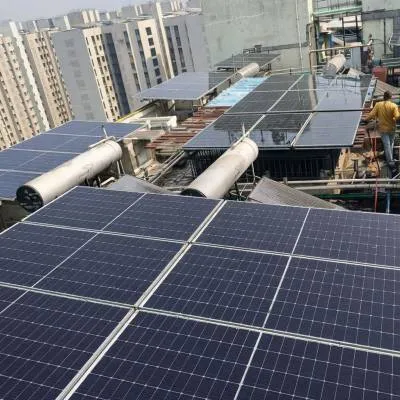
Tamil Nadu Newsprint and Papers (TNPL) have issued a call for bids to install 2.2 MW of grid-connected captive rooftop solar projects using the CAPEX model on its buildings. The project must be completed within 90 days from the date of site clearance. The selected developer will be responsible for providing comprehensive operational and maintenance services for a period of five years.

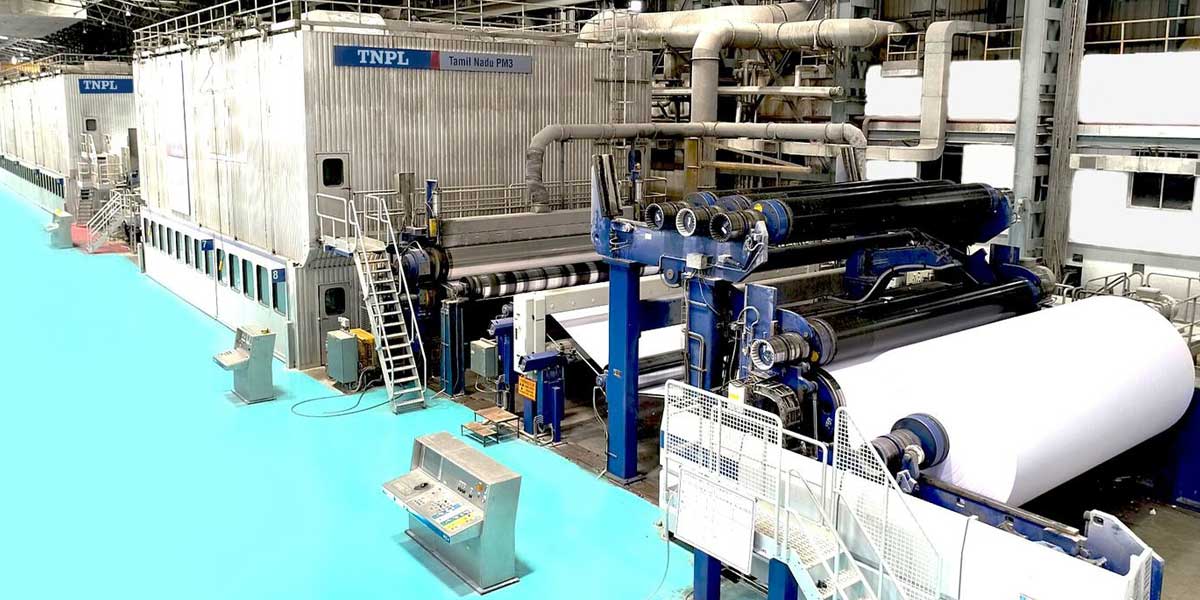
The deadline for bid submissions is May 31, 2023. The initial installation of 1.1 MW should be implemented at TNPL's Karur paper plant, which experiences an average solar irradiance of 5.60 W/sq m the second system, will be installed at the Trichy plant, with an average solar irradiance of 5.56 W/sq m.

The comprehensive maintenance services should include preventive maintenance, troubleshooting visits, and the replacement of necessary components to ensure the efficient operation of the project.

The power generated by the solar systems will be integrated into TNPL's existing electrical system, with the use of appropriate inter-phasing equipment.

Separate metering arrangements will be required for each rooftop system, and energy meters must be installed for each building.

The direct current (DC) power generated by the solar modules will be converted into three-phase alternating current (AC) power using inverters. The AC power, operating at a voltage level of 415V, will be transmitted to the LT control panels within the respective buildings.

To minimise line losses, any excess solar power generated will be transmitted to the nearest LT loads. The solar modules utilised in the project must meet the requirements outlined in the Ministry of New and Renewable Energy's Approved List of Models and Manufacturers. These modules should have a minimum capacity of 250 Wp and a module efficiency of at least 16 per cent.

In a separate development, the Tamil Nadu Cooperative Milk Producers' Federation has recently invited bids to procure 30 MW of solar, wind, or surplus power from producers through an open-access arrangement for a duration of five years.

Also Read
Tata Power’s TP Saurya signs solar project in Rajasthan
GSECL invites bids for 1,500 MW floating solar park in Tapi district


Tamil Nadu Newsprint and Papers (TNPL) have issued a call for bids to install 2.2 MW of grid-connected captive rooftop solar projects using the CAPEX model on its buildings. The project must be completed within 90 days from the date of site clearance. The selected developer will be responsible for providing comprehensive operational and maintenance services for a period of five years. The deadline for bid submissions is May 31, 2023. The initial installation of 1.1 MW should be implemented at TNPL's Karur paper plant, which experiences an average solar irradiance of 5.60 W/sq m the second system, will be installed at the Trichy plant, with an average solar irradiance of 5.56 W/sq m. The comprehensive maintenance services should include preventive maintenance, troubleshooting visits, and the replacement of necessary components to ensure the efficient operation of the project. The power generated by the solar systems will be integrated into TNPL's existing electrical system, with the use of appropriate inter-phasing equipment. Separate metering arrangements will be required for each rooftop system, and energy meters must be installed for each building. The direct current (DC) power generated by the solar modules will be converted into three-phase alternating current (AC) power using inverters. The AC power, operating at a voltage level of 415V, will be transmitted to the LT control panels within the respective buildings. To minimise line losses, any excess solar power generated will be transmitted to the nearest LT loads. The solar modules utilised in the project must meet the requirements outlined in the Ministry of New and Renewable Energy's Approved List of Models and Manufacturers. These modules should have a minimum capacity of 250 Wp and a module efficiency of at least 16 per cent. In a separate development, the Tamil Nadu Cooperative Milk Producers' Federation has recently invited bids to procure 30 MW of solar, wind, or surplus power from producers through an open-access arrangement for a duration of five years. Also Read Tata Power’s TP Saurya signs solar project in RajasthanGSECL invites bids for 1,500 MW floating solar park in Tapi district

Next Story
Infrastructure Urban

Implementation Status of Jal Jeevan Mission

Since August 2019 the Government has implemented Jal Jeevan Mission to provide assured potable water through household tap connections in rural India. At the start of the mission only 32.3 million (mn) rural households, representing 16.7 per cent, were reported to have tap water connections. States and union territories have reported that 125.8 mn additional rural households have since been provided with tap connections. As a result, of about 193.6 mn rural households roughly 158.2 mn, or 81.71 per cent, are reported to have tap water supply at home.\n\nThe State, district and village level st..

Next Story
Infrastructure Urban

Jal Jeevan Mission Reaches Eighty One Per Cent Rural Coverage

The Government reported substantial progress under the Jal Jeevan Mission, launched in August 2019 to provide tap water to every rural household. At launch only 32.3 million (mn) rural households had tap connections and states and Union territories reported provision of 125.8 mn additional households by March 2026. Consequently, out of about 193.6 mn rural households around 158.2 mn, or 81.71 per cent, are reported to have tap water at home. The Finance Minister announced extension of the mission until 2028 in the 2025-26 budget speech. The Swachh Bharat Mission Grameen, launched in October 20..

Next Story
Infrastructure Urban

Empowering Local Governance for Sustainable Rural Water Supply

The Ministry of Jal Shakti has aligned the Jal Jeevan Mission (JJM) with the 73rd Amendment to strengthen village level planning and community ownership of water supply. Gram Panchayats, village water and sanitation committees and Pani Samitis are to plan, implement, manage and maintain piped water systems, with gram sabha processes formalising handover and oversight. Implementation support agencies including non government organisations, community based organisations and self help groups have been empanelled to train local committees and promote women participation. Under JJM, the department ..

Advertisement

Subscribe to Our Newsletter

Get daily newsletters around different themes from Construction world.

STAY CONNECTED

Advertisement

Advertisement

Advertisement