Toyota and Ohmium to Develop Green Hydrogen Solutions in India
POWER & RENEWABLE ENERGY

Toyota and Ohmium to Develop Green Hydrogen Solutions in India

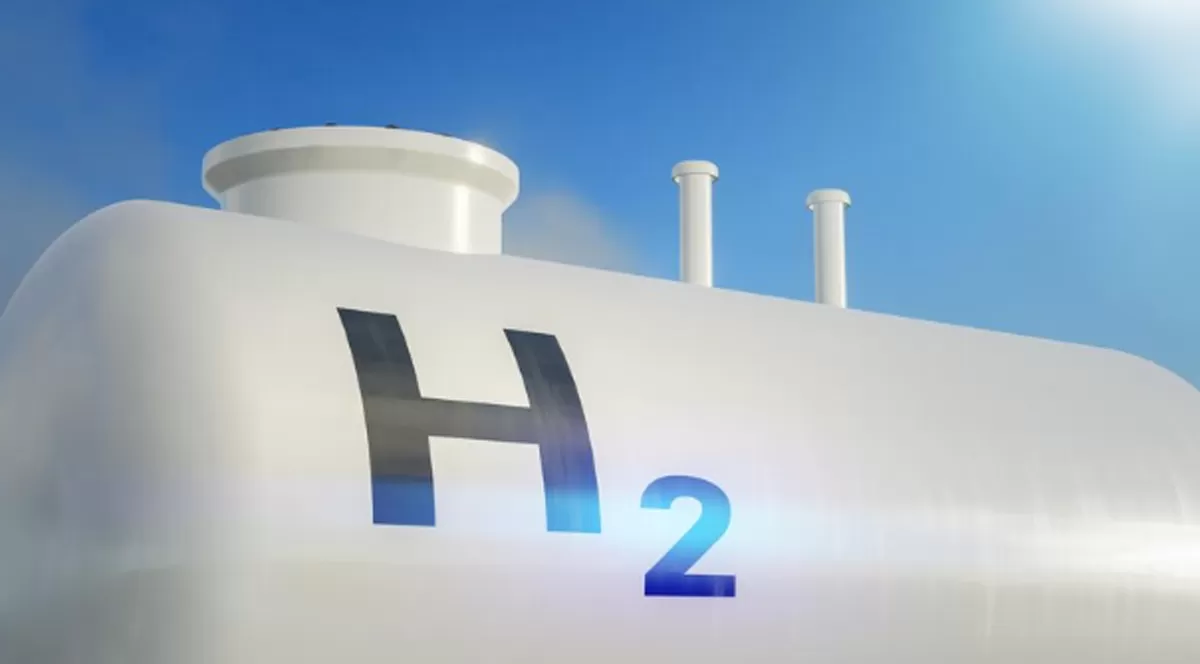
Toyota Kirloskar Motor (TKM) has entered into a Memorandum of Understanding (MoU) with Bengaluru-based Ohmium International to jointly develop integrated Green Hydrogen power solutions tailored for the Indian market. This collaboration combines Toyota’s fuel cell technology expertise with Ohmium’s strengths in Proton Exchange Membrane (PEM) hydrogen technology. The companies plan to co-develop scalable hydrogen-powered microgrids for applications such as data centres and remote locations that require low-emission solutions.

The initiative marks a strategic expansion of Toyota’s hydrogen strategy in India, moving beyond mobility to contribute to the development of clean energy infrastructure. This aligns with India’s broader targets of achieving energy independence by 2047 and net-zero carbon emissions by 2070. The National Green Hydrogen Mission, launched by the Government of India in 2023, is a key part of this vision, promoting local research, development, and investment in the hydrogen sector.

As part of the MoU, Toyota will provide technical support, integrate systems, and supply fuel cell modules, while Ohmium will design and test a prototype microgrid system powered by Green Hydrogen. These microgrids are expected to be modular, scalable, and capable of serving decentralised energy needs in critical and off-grid infrastructure environments. A feasibility study will evaluate potential use cases across various sectors to enable broader deployment of hydrogen-based solutions in the country.

This partnership builds upon Toyota’s previous hydrogen-related initiatives in India. In 2022, TKM collaborated with the International Centre for Automotive Technology (iCAT) to launch the Toyota Mirai Fuel Cell Electric Vehicle (FCEV) demonstration project, aimed at assessing the viability of hydrogen mobility. In 2023, the company partnered with Ashok Leyland to supply fuel cell modules for hydrogen-powered commercial vehicle prototypes and worked with the Government of Kerala to explore hydrogen-powered mobility solutions in the state.

News source: NDTV

Toyota Kirloskar Motor (TKM) has entered into a Memorandum of Understanding (MoU) with Bengaluru-based Ohmium International to jointly develop integrated Green Hydrogen power solutions tailored for the Indian market. This collaboration combines Toyota’s fuel cell technology expertise with Ohmium’s strengths in Proton Exchange Membrane (PEM) hydrogen technology. The companies plan to co-develop scalable hydrogen-powered microgrids for applications such as data centres and remote locations that require low-emission solutions.The initiative marks a strategic expansion of Toyota’s hydrogen strategy in India, moving beyond mobility to contribute to the development of clean energy infrastructure. This aligns with India’s broader targets of achieving energy independence by 2047 and net-zero carbon emissions by 2070. The National Green Hydrogen Mission, launched by the Government of India in 2023, is a key part of this vision, promoting local research, development, and investment in the hydrogen sector.As part of the MoU, Toyota will provide technical support, integrate systems, and supply fuel cell modules, while Ohmium will design and test a prototype microgrid system powered by Green Hydrogen. These microgrids are expected to be modular, scalable, and capable of serving decentralised energy needs in critical and off-grid infrastructure environments. A feasibility study will evaluate potential use cases across various sectors to enable broader deployment of hydrogen-based solutions in the country.This partnership builds upon Toyota’s previous hydrogen-related initiatives in India. In 2022, TKM collaborated with the International Centre for Automotive Technology (iCAT) to launch the Toyota Mirai Fuel Cell Electric Vehicle (FCEV) demonstration project, aimed at assessing the viability of hydrogen mobility. In 2023, the company partnered with Ashok Leyland to supply fuel cell modules for hydrogen-powered commercial vehicle prototypes and worked with the Government of Kerala to explore hydrogen-powered mobility solutions in the state.News source: NDTV

Next Story
Infrastructure Transport

Pune To Build Nine Km Link Road Between Highways

The Pune Municipal Corporation (PMC) has decided to appoint an expert to plan the development of a nine km long, 60 metre wide road from Khadi Machine chowk to Wadki chowk as an extension to the Katraj-Kondhwa road to link the Mumbai-Satara and Pune-Solapur national highways. The scheme is intended to divert heavy vehicle traffic away from the city and improve access between the two arterial routes. The project has been prioritised by the PMC and forms part of a larger set of schemes in which 19 roads have been identified for development at a combined cost of Rs 9.82 billion (bn) to address c..

Next Story
Infrastructure Transport

Barabanki Bahraich Six Lane Highway Approved in Uttar Pradesh

The Uttar Pradesh government has approved construction of a new six-lane highway linking Barabanki and Bahraich as part of National Highway 927, and the cabinet has cleared the project. The alignment will pass through Mustafabad and Kaiserganj and extend for about 101.5 km, creating a key corridor for local and long-distance movement. The National Highways Authority of India will oversee the work and has signalled the scheme is intended to strengthen regional connectivity and cross-border access to Nepal. The project carries an estimated total cost of Rs 69,690 million, equivalent to Rs 69.69..

Next Story
Infrastructure Transport

Toll At Kharegaon Likely As Highway Upgrade Nears Completion

A section of the highway at Kharegaon has undergone an upgrade and is approaching completion, and authorities have indicated plans for a toll to be introduced once works finish. The project has focused on strengthening the carriageway, improving drainage and upgrading intersections to enhance safety and capacity. Officials have said the toll will be used to recover construction costs and fund ongoing maintenance. The upgrade included resurfacing of the pavement, widening of certain stretches and installation of modern signage and lighting to reduce accident risk. Contractors completed most ma..

Advertisement

Subscribe to Our Newsletter

Get daily newsletters around different themes from Construction world.

STAY CONNECTED

Advertisement

Advertisement

Advertisement