+
Vedanta Power Plans Expansion Into Hydro, BESS And Nuclear
POWER & RENEWABLE ENERGY

Vedanta Power Plans Expansion Into Hydro, BESS And Nuclear

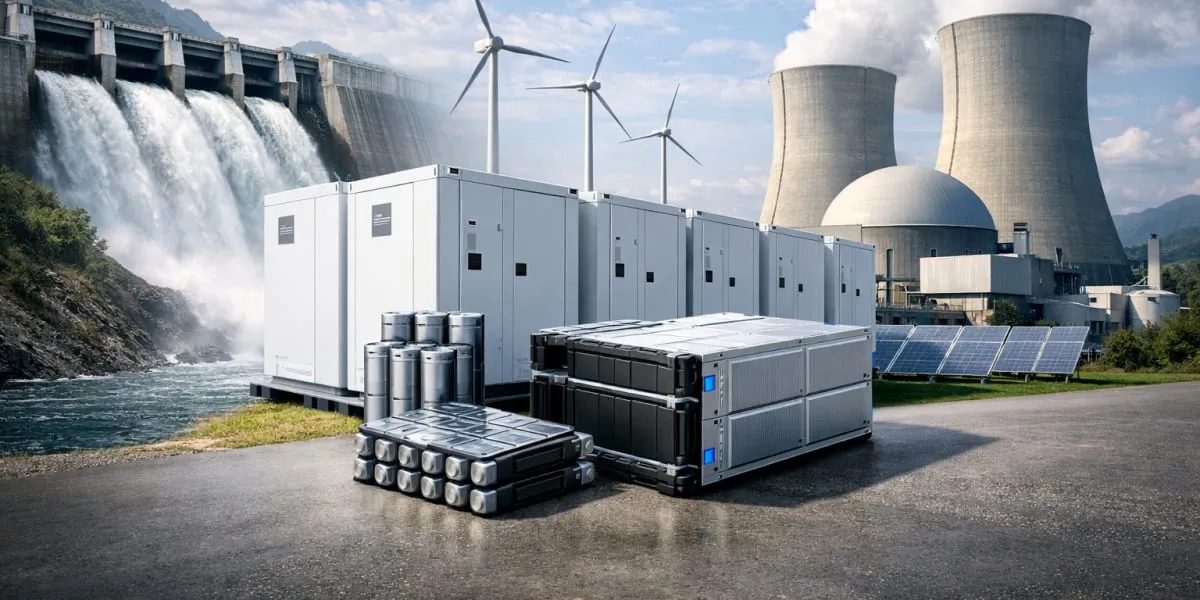
Vedanta Power is assessing investments in hydro power, battery energy storage systems (BESS) and nuclear energy as part of a long term growth strategy after its separate listing.

The company has set a long term target of building its power generation capacity to 20 gigawatt (GW). The plan includes increasing installed capacity to 12 gigawatt (GW) by FY33 and progressing additions at existing assets.

Vedanta Power described nuclear energy as a potential contributor to the energy transition because it can deliver round the clock electricity and support grid reliability and industrial demand. The company noted that nuclear offers a steady supply compared with intermittent renewable sources and could underpin baseload requirements, supporting efforts to balance supply and demand as renewable capacity rises.

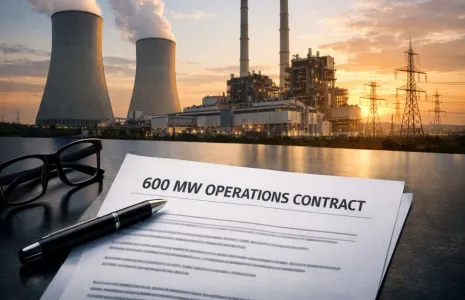
The company said it is also evaluating hydro power and battery storage to complement its generation portfolio and expects hydro to assist balancing needs while battery storage can manage fluctuations in solar and wind generation and improve flexibility. A significant portion of future expansion is expected to come through brownfield projects, enabling use of existing infrastructure to reduce execution risks. Vedanta Power began trading on the BSE and NSE following the demerger of Vedanta Ltd and the listing ceremony was held on 15 June. The second 600 megawatt (MW) unit at the Sakti power plant is scheduled for commissioning in the second half of FY27 and the company said the market listing marks its transition into a standalone power business with its own operational structure.

Vedanta Power is assessing investments in hydro power, battery energy storage systems (BESS) and nuclear energy as part of a long term growth strategy after its separate listing. The company has set a long term target of building its power generation capacity to 20 gigawatt (GW). The plan includes increasing installed capacity to 12 gigawatt (GW) by FY33 and progressing additions at existing assets. Vedanta Power described nuclear energy as a potential contributor to the energy transition because it can deliver round the clock electricity and support grid reliability and industrial demand. The company noted that nuclear offers a steady supply compared with intermittent renewable sources and could underpin baseload requirements, supporting efforts to balance supply and demand as renewable capacity rises. The company said it is also evaluating hydro power and battery storage to complement its generation portfolio and expects hydro to assist balancing needs while battery storage can manage fluctuations in solar and wind generation and improve flexibility. A significant portion of future expansion is expected to come through brownfield projects, enabling use of existing infrastructure to reduce execution risks. Vedanta Power began trading on the BSE and NSE following the demerger of Vedanta Ltd and the listing ceremony was held on 15 June. The second 600 megawatt (MW) unit at the Sakti power plant is scheduled for commissioning in the second half of FY27 and the company said the market listing marks its transition into a standalone power business with its own operational structure.

Related Stories

Gold Stories

Next Story
Products

Interio by Godrej launches modular workplace solutions

Interio by Godrej has launched Workscapes, a modular workplace solutions category designed to help organisations configure and adapt workspaces to changing requirements. The portfolio combines mobile and compatible furniture and support elements that can be rearranged across different work modes without changes to fixed layouts.Workscapes includes Collaboration Tables, Privacy Solutions, Mobile Markerboards and Space Dividers, Power Solutions, Storage and Support Elements, Meeting and Presentation Tools, and Seating Elements. The range is designed for focused work, collaboration, informal disc..

Next Story
Infrastructure Urban

CAFE-III Gives Auto Industry Investment Clarity

The government’s new Corporate Average Fuel Economy (CAFE-III) norms have provided the automobile industry with a clearer framework for technology investments, according to industry representatives. The framework seeks to balance environmental objectives with flexibility for manufacturers while encouraging the adoption of flex-fuel vehicles and biofuels. Society of Indian Automobile Manufacturers (SIAM) President Shenu Agarwal said the five-year framework would give automakers greater predictability to plan investments and accelerate innovation. He said the regulation established annual targ..

Next Story
Infrastructure Energy

Mines Ministry to Auction Two Offshore Mineral Blocks in Andaman Sea

The Ministry of Mines will launch an auction of two offshore mineral blocks in the Andaman Sea on Thursday, seeking to unlock India’s offshore mineral potential and strengthen long-term mineral resource security. The blocks will be offered under a composite licence, which permits exploration and development activities in accordance with the applicable regulatory framework. The ministry said the auction was intended to encourage systematic exploration, attract investment and promote the use of advanced technologies for offshore mineral exploration and development. The initiative is also aimed..

Advertisement

Subscribe to Our Newsletter

Get daily newsletters around different themes from Construction world.

STAY CONNECTED

Advertisement

SPECIAL OFFER
QR Code