Chinese Entry To Ease Power Equipment Shortage, Limited Impact
Equipment

Chinese Entry To Ease Power Equipment Shortage, Limited Impact

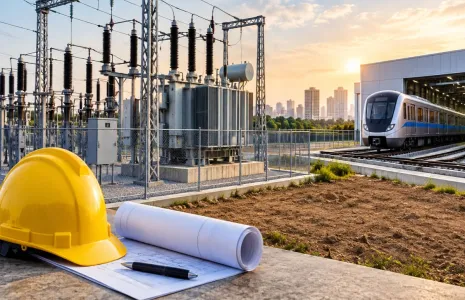
On July three the finance ministry exempted TBEA Energy India, Nanjing Electric India, New Northeast Electric India and Taikai Electric India from the security clearance requirement under the Public Procurement Order, allowing them to bid for government and public sector power contracts until 2028. The move is being treated as a transitional measure to bridge a near-term supply-demand gap until domestic capacity expands and procurement lead times normalise. Analysts expect limited impact on incumbent suppliers given their technological advantage and market position.

Market analysts note that established high-voltage direct current suppliers such as GE Vernova T&D India, Hitachi Energy and Siemens Energy retain technological leadership and a broad product portfolio that supports their dominant market share across critical categories. The entry of new suppliers from China is anticipated to spur price-based competition in the short to medium term and to improve equipment availability, which should ease execution pressures across transmission projects, according to brokerage reports and ratings firms.

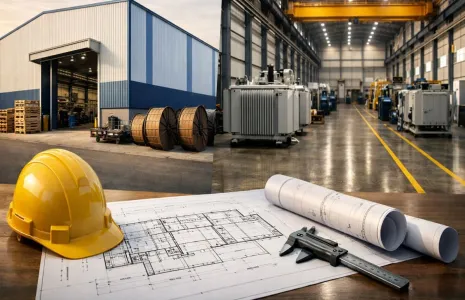
TBEA’s installed capacity is around 10,000 megavolt-ampere (MVA), scalable up to 20,000 MVA within a few years, while the Indian arm of Nanjing Electric produces low-volume glass and composite insulators at its Igatpuri facility. New Northeast Electric India manufactures gas insulated switchgear up to 1,100 kilovolt with a domestic capacity of 696 bays a year at Visakhapatnam. Taikai Electric India makes and assembles GIS from 132 kilovolt to 765 kilovolt with capacity of up to 1,000 bays a year at Vadodara.

Supply shortages have already delayed one in four major transmission schemes by at least a year, leading to nearly 20 GW of renewable energy capacity facing connectivity delays of over four months this fiscal, research firm Ember has reported. The transmission sector is likely to witness capex of upwards of Rs five trillion (tn) over the next five years, which should support order books for most manufacturers. Risk to domestic companies would rise if the government extends project timelines or permits direct imports, but domestic supplies are expected to improve over the next one to two years.

"Join industry leaders at RAHSTA Expo, India's premier platform for roads, highways and traffic infrastructure. Register now to explore innovations, network with experts and shape the future of mobility."

On July three the finance ministry exempted TBEA Energy India, Nanjing Electric India, New Northeast Electric India and Taikai Electric India from the security clearance requirement under the Public Procurement Order, allowing them to bid for government and public sector power contracts until 2028. The move is being treated as a transitional measure to bridge a near-term supply-demand gap until domestic capacity expands and procurement lead times normalise. Analysts expect limited impact on incumbent suppliers given their technological advantage and market position. Market analysts note that established high-voltage direct current suppliers such as GE Vernova T&D India, Hitachi Energy and Siemens Energy retain technological leadership and a broad product portfolio that supports their dominant market share across critical categories. The entry of new suppliers from China is anticipated to spur price-based competition in the short to medium term and to improve equipment availability, which should ease execution pressures across transmission projects, according to brokerage reports and ratings firms. TBEA’s installed capacity is around 10,000 megavolt-ampere (MVA), scalable up to 20,000 MVA within a few years, while the Indian arm of Nanjing Electric produces low-volume glass and composite insulators at its Igatpuri facility. New Northeast Electric India manufactures gas insulated switchgear up to 1,100 kilovolt with a domestic capacity of 696 bays a year at Visakhapatnam. Taikai Electric India makes and assembles GIS from 132 kilovolt to 765 kilovolt with capacity of up to 1,000 bays a year at Vadodara. Supply shortages have already delayed one in four major transmission schemes by at least a year, leading to nearly 20 GW of renewable energy capacity facing connectivity delays of over four months this fiscal, research firm Ember has reported. The transmission sector is likely to witness capex of upwards of Rs five trillion (tn) over the next five years, which should support order books for most manufacturers. Risk to domestic companies would rise if the government extends project timelines or permits direct imports, but domestic supplies are expected to improve over the next one to two years.

Next Story
Infrastructure Transport

Bhogapuram Airport Set For Take Off After Licence Issued

Union Civil Aviation Minister Kinjarapu Ram Mohan Naidu announced that Alluri Sitharama Raju Bhogapuram International Airport has achieved 100 per cent completion following issuance of its aerodrome licence by the Ministry of Civil Aviation after an inspection with public representatives, district officials and GMR Group representatives. The licence was granted after extensive verification over the past month to ensure that safety and operational standards were met. The Chief Minister's Office has already contacted the Prime Minister's Office to finalise an inauguration date and commercial fli..

Next Story
Infrastructure Urban

Auto Sector To Grow 22-24 Per Cent In Q1 FY27

Credit Rating Information Services of India (Crisil) estimated that India's automobile sector is expected to report revenue growth of 22-24 per cent year-on-year in the first quarter of FY27 and to be among the largest contributors to corporate revenue growth in the quarter. The agency estimated overall corporate revenue to have grown 11-11.5 per cent year-on-year in the quarter ended 30 June 2026, the fastest pace in two years despite supply chain disruptions and higher input costs from the West Asia conflict. This compared with growth of 9.6 per cent in the preceding quarter. Crisil said the..

Next Story
Infrastructure Urban

Nomura Sees Q1 Pressure On Cement Margins; Backs Major Players

Nomura said cement margins will be under pressure in the June quarter as fuel and packaging costs rose, although volume growth is expected to remain healthy. The brokerage forecast six to seven per cent year-on-year organic volume growth for the Indian cement industry in the period, with Shree Cement identified as likely to post the highest growth at 15 per cent year-on-year. It noted that the West and North regions outperformed on pricing, aiding companies with greater exposure in those markets. Average trade prices improved three per cent sequentially to around Rs 326 per bag after price inc..

Advertisement

Subscribe to Our Newsletter

Get daily newsletters around different themes from Construction world.

STAY CONNECTED

Advertisement

Advertisement

Advertisement