Hydrogen-Powered Machines Demonstrate Low-Emission Construction Site
Equipment

Hydrogen-Powered Machines Demonstrate Low-Emission Construction Site

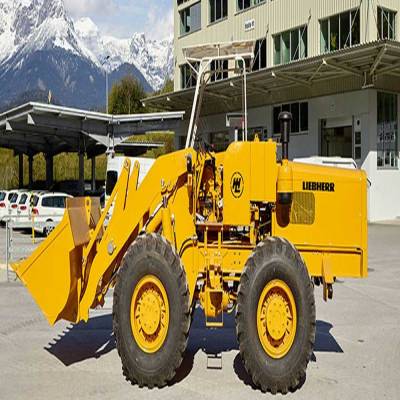
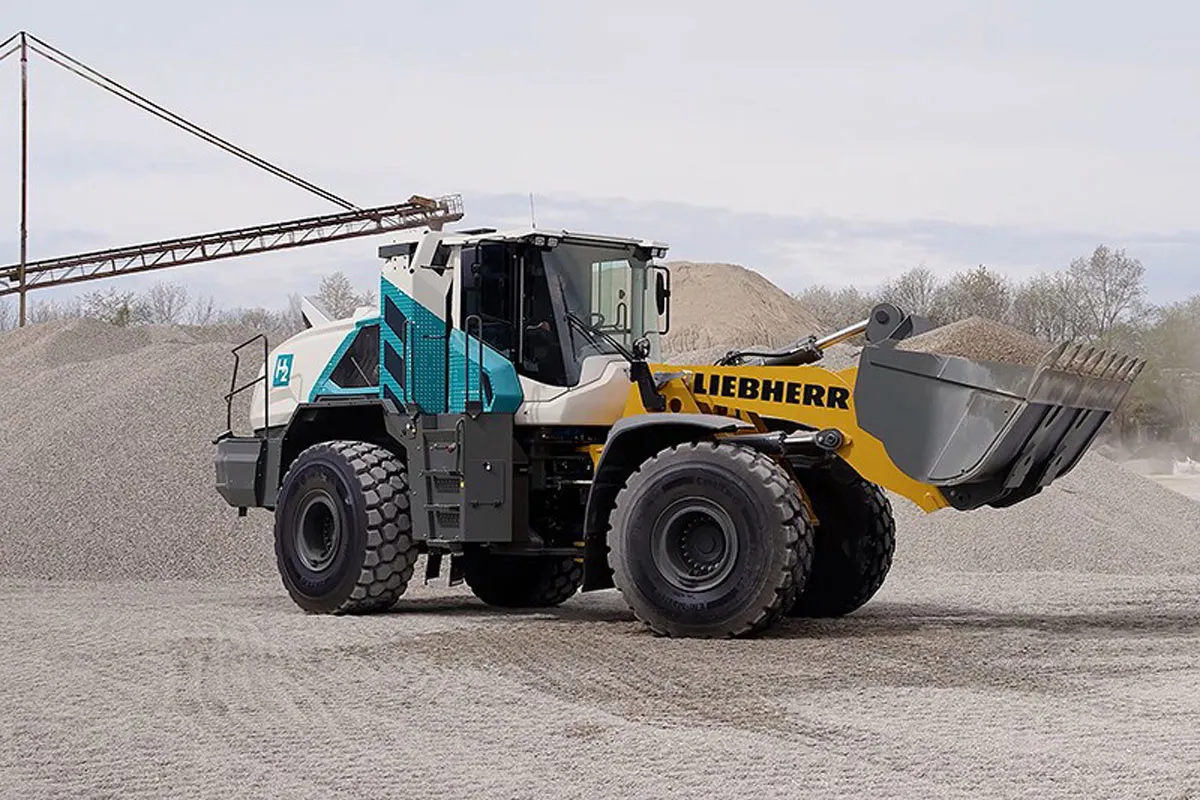
Liebherr, MAN and Daimler Truck have jointly demonstrated a low-emission construction site at a gravel plant near Munich, where all deployed machines were powered by hydrogen engines. The test deployment, initiated under the Hydrogen Engine Alliance, showcased how hydrogen can serve as an efficient, robust and largely CO₂-free alternative for demanding construction and logistics applications.

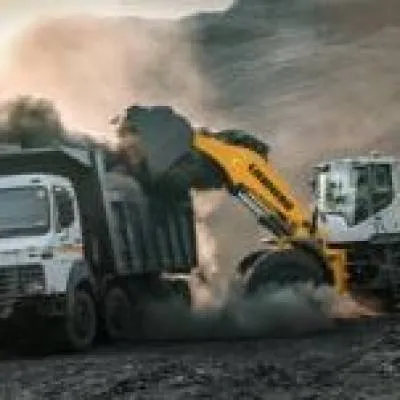
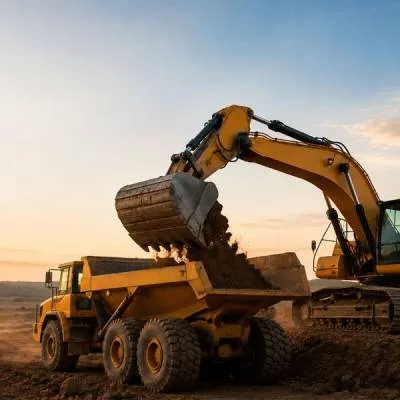
The operation featured a Liebherr L 566 H large wheel loader working alongside a production-ready MAN hTGX truck and a hydrogen-powered development vehicle based on the Mercedes-Benz Arocs from Daimler Truck. All three machines successfully handled intensive earthmoving and material transport tasks, delivering performance comparable to diesel-powered equipment while significantly reducing emissions.

According to Liebherr, the hydrogen-powered wheel loader can operate a full shift and be refuelled within 10–15 minutes, enabling seamless integration into existing construction workflows. MAN and Daimler Truck highlighted that the hydrogen engines offer familiar driving behaviour, quiet operation and suitability for long ranges and heavy loads.

The demonstration underlines that low-emission construction sites are already achievable in practice. However, wider adoption will depend on the development of a comprehensive hydrogen infrastructure and competitive hydrogen pricing across Europe.

Liebherr, MAN and Daimler Truck have jointly demonstrated a low-emission construction site at a gravel plant near Munich, where all deployed machines were powered by hydrogen engines. The test deployment, initiated under the Hydrogen Engine Alliance, showcased how hydrogen can serve as an efficient, robust and largely CO₂-free alternative for demanding construction and logistics applications.The operation featured a Liebherr L 566 H large wheel loader working alongside a production-ready MAN hTGX truck and a hydrogen-powered development vehicle based on the Mercedes-Benz Arocs from Daimler Truck. All three machines successfully handled intensive earthmoving and material transport tasks, delivering performance comparable to diesel-powered equipment while significantly reducing emissions.According to Liebherr, the hydrogen-powered wheel loader can operate a full shift and be refuelled within 10–15 minutes, enabling seamless integration into existing construction workflows. MAN and Daimler Truck highlighted that the hydrogen engines offer familiar driving behaviour, quiet operation and suitability for long ranges and heavy loads.The demonstration underlines that low-emission construction sites are already achievable in practice. However, wider adoption will depend on the development of a comprehensive hydrogen infrastructure and competitive hydrogen pricing across Europe.

Next Story
Infrastructure Urban

Implementation Status of Jal Jeevan Mission

Since August 2019 the Government has implemented Jal Jeevan Mission to provide assured potable water through household tap connections in rural India. At the start of the mission only 32.3 million (mn) rural households, representing 16.7 per cent, were reported to have tap water connections. States and union territories have reported that 125.8 mn additional rural households have since been provided with tap connections. As a result, of about 193.6 mn rural households roughly 158.2 mn, or 81.71 per cent, are reported to have tap water supply at home.\n\nThe State, district and village level st..

Next Story
Infrastructure Urban

Jal Jeevan Mission Reaches Eighty One Per Cent Rural Coverage

The Government reported substantial progress under the Jal Jeevan Mission, launched in August 2019 to provide tap water to every rural household. At launch only 32.3 million (mn) rural households had tap connections and states and Union territories reported provision of 125.8 mn additional households by March 2026. Consequently, out of about 193.6 mn rural households around 158.2 mn, or 81.71 per cent, are reported to have tap water at home. The Finance Minister announced extension of the mission until 2028 in the 2025-26 budget speech. The Swachh Bharat Mission Grameen, launched in October 20..

Next Story
Infrastructure Urban

Empowering Local Governance for Sustainable Rural Water Supply

The Ministry of Jal Shakti has aligned the Jal Jeevan Mission (JJM) with the 73rd Amendment to strengthen village level planning and community ownership of water supply. Gram Panchayats, village water and sanitation committees and Pani Samitis are to plan, implement, manage and maintain piped water systems, with gram sabha processes formalising handover and oversight. Implementation support agencies including non government organisations, community based organisations and self help groups have been empanelled to train local committees and promote women participation. Under JJM, the department ..

Advertisement

Subscribe to Our Newsletter

Get daily newsletters around different themes from Construction world.

STAY CONNECTED

Advertisement

Advertisement

Advertisement