+
 Second wave of Covid-19 to unlikely impact delivery of residential units
Real Estate

Second wave of Covid-19 to unlikely impact delivery of residential units

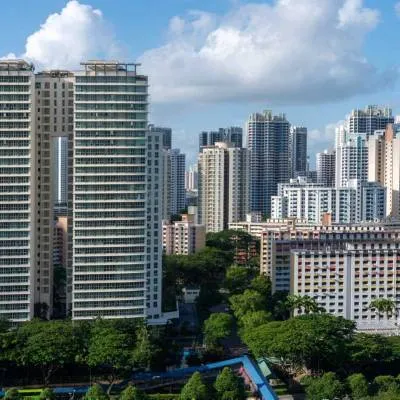
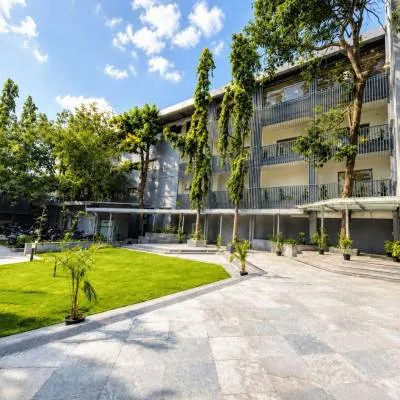
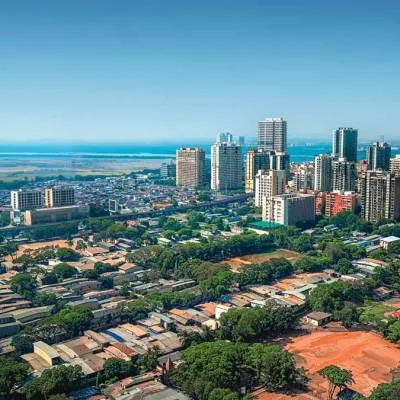
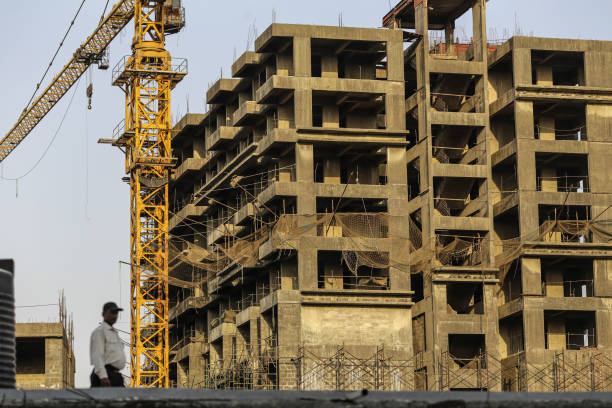
Amid the raging second wave of Covid-19, the delivery of residential units seems to have a minimal impact with over 4.22 lakh units scheduled to be completed by end of 2021 over the highest seven cities.

They may face a delay in the supply of construction material or labour availability is affected. Almost 72% of the entire homes delivered by the end of 2021 are already sold out, and 28% are remaining unsold.

National Capital Region (NCR) would see the highest completions with an almost 28% share, accompanied by Mumbai Metropolitan Region (MMR) with 26% and Pune with around 18%.

According to Anarock's research, the top seven cities will have around 1.18 lakh homes available for purchase by the end of this year.

Anarock Property Consultants Chairman, Anuj Puri, told the media that the tally of 4.22 lakh homes scheduled for delivery across the top seven cities by end of this year, yet, be observed in context with the second wave of Covid-19. All the top cities have been impacted, and a part of these project deliveries will probably be pushed to 2022.

Since lockdown 1.0 most of the developers experienced a steep learning curve. Since ready homes are in large demand, many developers with projects due to reach completion in 2021 will consider this as a deadline.

Over 4.22 lakh homes will be delivered by the end of this year and 40% are in the affordable segment valued at Rs 40 lakh. As much as 35% are in the mid-segment valued between Rs 40 lakh to Rs 80 lakh.

The market situations stand favourable for the home buyers and the investors in the backdrop of low interest rates, productive deals from the developers, choices of apartments, flexible payment schemes from banks and financial institutions, and attractive price points to take the correct buy.

As per Anarock, approximately 58,290 residential units were sold across the top seven cities in the country in the first quarter (Q1) 2021.

Image Source


Also read: Mumbai witnesses over 10,000 property registrations in April 2021

Also read: Affordable housing keeps real estate sector afloat: PropTiger

Amid the raging second wave of Covid-19, the delivery of residential units seems to have a minimal impact with over 4.22 lakh units scheduled to be completed by end of 2021 over the highest seven cities. They may face a delay in the supply of construction material or labour availability is affected. Almost 72% of the entire homes delivered by the end of 2021 are already sold out, and 28% are remaining unsold. National Capital Region (NCR) would see the highest completions with an almost 28% share, accompanied by Mumbai Metropolitan Region (MMR) with 26% and Pune with around 18%. According to Anarock's research, the top seven cities will have around 1.18 lakh homes available for purchase by the end of this year. Anarock Property Consultants Chairman, Anuj Puri, told the media that the tally of 4.22 lakh homes scheduled for delivery across the top seven cities by end of this year, yet, be observed in context with the second wave of Covid-19. All the top cities have been impacted, and a part of these project deliveries will probably be pushed to 2022. Since lockdown 1.0 most of the developers experienced a steep learning curve. Since ready homes are in large demand, many developers with projects due to reach completion in 2021 will consider this as a deadline. Over 4.22 lakh homes will be delivered by the end of this year and 40% are in the affordable segment valued at Rs 40 lakh. As much as 35% are in the mid-segment valued between Rs 40 lakh to Rs 80 lakh. The market situations stand favourable for the home buyers and the investors in the backdrop of low interest rates, productive deals from the developers, choices of apartments, flexible payment schemes from banks and financial institutions, and attractive price points to take the correct buy. As per Anarock, approximately 58,290 residential units were sold across the top seven cities in the country in the first quarter (Q1) 2021. Image SourceAlso read: Mumbai witnesses over 10,000 property registrations in April 2021 Also read: Affordable housing keeps real estate sector afloat: PropTiger

Next Story
Infrastructure Urban

Implementation Status of Jal Jeevan Mission

Since August 2019 the Government has implemented Jal Jeevan Mission to provide assured potable water through household tap connections in rural India. At the start of the mission only 32.3 million (mn) rural households, representing 16.7 per cent, were reported to have tap water connections. States and union territories have reported that 125.8 mn additional rural households have since been provided with tap connections. As a result, of about 193.6 mn rural households roughly 158.2 mn, or 81.71 per cent, are reported to have tap water supply at home.\n\nThe State, district and village level st..

Next Story
Infrastructure Urban

Jal Jeevan Mission Reaches Eighty One Per Cent Rural Coverage

The Government reported substantial progress under the Jal Jeevan Mission, launched in August 2019 to provide tap water to every rural household. At launch only 32.3 million (mn) rural households had tap connections and states and Union territories reported provision of 125.8 mn additional households by March 2026. Consequently, out of about 193.6 mn rural households around 158.2 mn, or 81.71 per cent, are reported to have tap water at home. The Finance Minister announced extension of the mission until 2028 in the 2025-26 budget speech. The Swachh Bharat Mission Grameen, launched in October 20..

Next Story
Infrastructure Urban

Empowering Local Governance for Sustainable Rural Water Supply

The Ministry of Jal Shakti has aligned the Jal Jeevan Mission (JJM) with the 73rd Amendment to strengthen village level planning and community ownership of water supply. Gram Panchayats, village water and sanitation committees and Pani Samitis are to plan, implement, manage and maintain piped water systems, with gram sabha processes formalising handover and oversight. Implementation support agencies including non government organisations, community based organisations and self help groups have been empanelled to train local committees and promote women participation. Under JJM, the department ..

Advertisement

Subscribe to Our Newsletter

Get daily newsletters around different themes from Construction world.

STAY CONNECTED

Advertisement

Advertisement

Advertisement