Affordable housing in Gujarat vital to match requirements: NAREDCO
Real Estate

Affordable housing in Gujarat vital to match requirements: NAREDCO

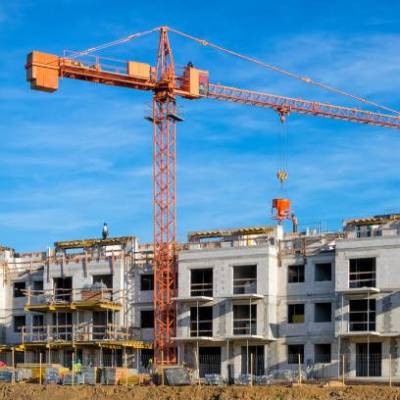
According to NAREDCO, Gujarat will require 40 lakh homes in the coming five years and 70% of these will be in the affordable housing segment.

As per Gujarat’s National Real Estate Development Council (NAREDCO), the affordable housing value in Ahmedabad ranges from Rs 40 lakh to Rs 55 lakh, and Rs 25 lakh to Rs 55 lakh in the rest of Gujarat.

On Sunday, the developers at the NAREDCO Gujarat Conclave 2021 told the media that not much has been done for the affordable section. Presently, according to the current township policy, a township must have a minimum area of 5 lakh sq metres of land.

NAREDCO Gujarat president Suresh Patel told the media that a break-up of the available figures reveals that Gujarat requires 8 lakh homes every year -- an estimated investment of around Rs 1.10 lakh crore per year. Regarding the employment perspective, Rs 35,000 crore of this will go towards labour wages. The state further will earn in the form of taxes.

Developers at the conclave raised at least 85 problems associated with urban development and revenue concerns. They additionally recommended solutions to the government.

Relating affordable housing, NAREDCO recommended that developers be enabled to build 108 sustainable townships in or about the urban development authority in the Ahmedabad Urban Development Authority (AUDA) GUDA, VUDA and SUDA to name a few. Developers will set up solar projects, develop proper infrastructure and generate public transport connectivity by providing green buses from the townships.

NAREDCO Gujarat chairman N K Patel told the media that executing the affordable housing township policy will make houses cheaper and give more options to the buyers. It will additionally assist the state and central governments to accomplish their target of ‘housing for all’ faster.

Patel additionally emphasised another vital problem of renewal of non-agriculture (NA) land, which is done at the collectorate level.

Image Source

"Join industry leaders at RAHSTA Expo, India's premier platform for roads, highways and traffic infrastructure. Register now to explore innovations, network with experts and shape the future of mobility."

According to NAREDCO, Gujarat will require 40 lakh homes in the coming five years and 70% of these will be in the affordable housing segment. As per Gujarat’s National Real Estate Development Council (NAREDCO), the affordable housing value in Ahmedabad ranges from Rs 40 lakh to Rs 55 lakh, and Rs 25 lakh to Rs 55 lakh in the rest of Gujarat. On Sunday, the developers at the NAREDCO Gujarat Conclave 2021 told the media that not much has been done for the affordable section. Presently, according to the current township policy, a township must have a minimum area of 5 lakh sq metres of land. NAREDCO Gujarat president Suresh Patel told the media that a break-up of the available figures reveals that Gujarat requires 8 lakh homes every year -- an estimated investment of around Rs 1.10 lakh crore per year. Regarding the employment perspective, Rs 35,000 crore of this will go towards labour wages. The state further will earn in the form of taxes. Developers at the conclave raised at least 85 problems associated with urban development and revenue concerns. They additionally recommended solutions to the government. Relating affordable housing, NAREDCO recommended that developers be enabled to build 108 sustainable townships in or about the urban development authority in the Ahmedabad Urban Development Authority (AUDA) GUDA, VUDA and SUDA to name a few. Developers will set up solar projects, develop proper infrastructure and generate public transport connectivity by providing green buses from the townships. NAREDCO Gujarat chairman N K Patel told the media that executing the affordable housing township policy will make houses cheaper and give more options to the buyers. It will additionally assist the state and central governments to accomplish their target of ‘housing for all’ faster. Patel additionally emphasised another vital problem of renewal of non-agriculture (NA) land, which is done at the collectorate level. Image Source

Next Story
Infrastructure Energy

Centre Prioritising Energy Security With Coal Gasification

Union minister for Coal and Mines G Kishan Reddy said the Centre is prioritising energy security through a strategic shift to coal gasification and has announced incentives totalling Rs 460 billion (bn) to support the effort. He said more than 35 companies will start coal gasification activities in India within two months and that the government is encouraging firms that bring technology to close the domestic technology gap. The minister described the initiative as aimed at reducing import dependence and developing indigenous capacity. India has the fifth-largest coal reserve in the world, and..

Next Story
Infrastructure Urban

BHEL and Coal India Invest Rs 250 bn in Odisha Gasification

Bharat Heavy Electricals (BHEL) and Coal India (CIL) are jointly investing Rs 250 billion in a coal gasification project in Odisha, with the Prime Minister laying the foundation stone in Jharsuguda. Union Coal and Mines Minister G Kishan Reddy described the initiative as a transformative shift in coal utilisation that will open industrial avenues for the state. The project moves coal beyond conventional power generation to industrial feedstocks. Coal gasification will convert coal into synthesis gas, a versatile feedstock for chemicals, fertilisers and synthetic fuels, and the technology is ex..

Next Story
Infrastructure Energy

BCCL Hands Over Dugdha Coal Washery To JSW Steel

Bharat Coking Coal has handed over the Dugdha Coal Washery to JSW Steel, marking the first coal washery asset monetisation under the Ministry of Coal's asset monetisation programme. The handover took place in the presence of senior officials from Bharat Coking Coal Ltd, JSW Steel and JSW Energy. The washery has a capacity of two million tonnes per annum (mn t per annum), and its transfer is intended to introduce private sector practices into coal beneficiation operations. The monetisation is aimed at modernising coal sector assets, improving operational efficiency and enhancing resource utilis..

Advertisement

Subscribe to Our Newsletter

Get daily newsletters around different themes from Construction world.

STAY CONNECTED

Advertisement

Advertisement

Advertisement