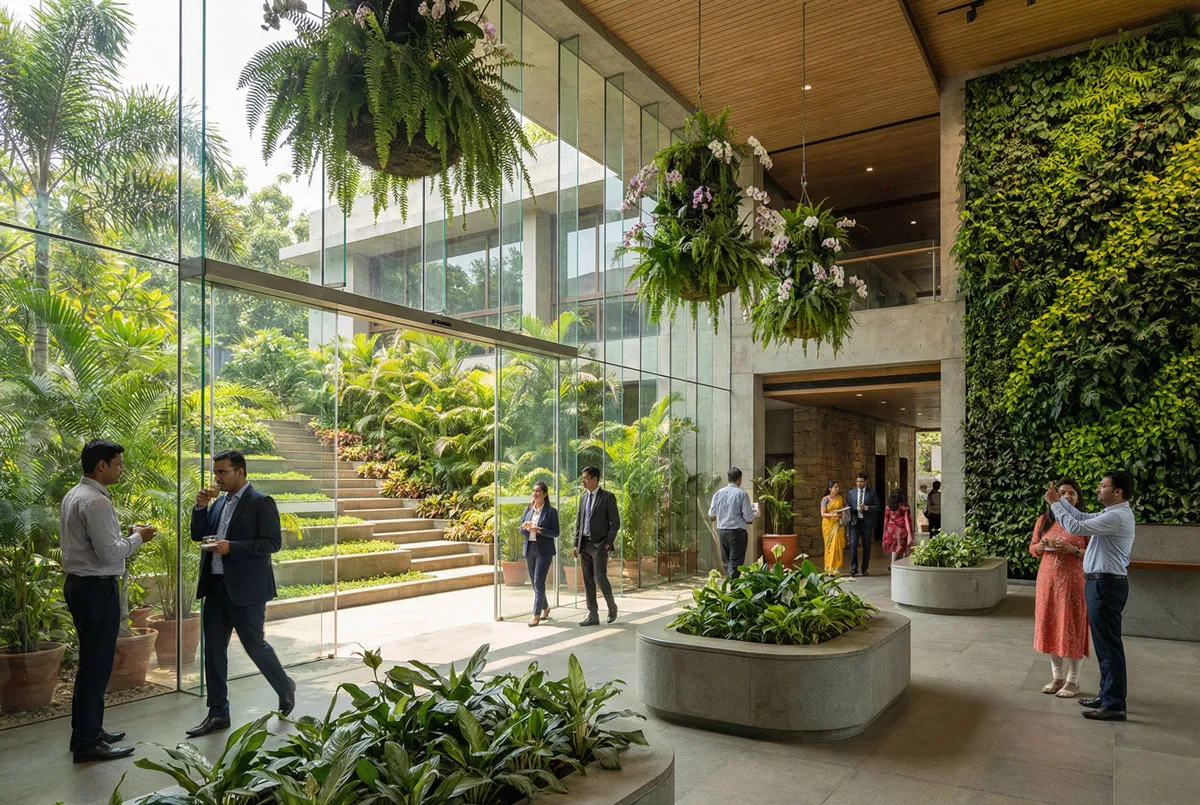
The conversation has shifted. Five years ago, architects pitched biophilic integration as a sustainability bonus—a nice-to-have that differentiated premium projects. Today, developers lead with it. Workplace research validates 15 per cent wellbeing, productivity and creativity gains in green-integrated environments (Human Spaces Report, 2015), and commercial tenants now expect living facades, vegetative roofs and botanical interiors as baseline, not luxury.
But here's what changed the game: architects are no longer limited in biophilic designing due to factors that were hitherto considered constraints, as there are solutions now available to make the structure suitable for catering to the demands of biophilic designing, enabling architects to cut through many of the constraints.
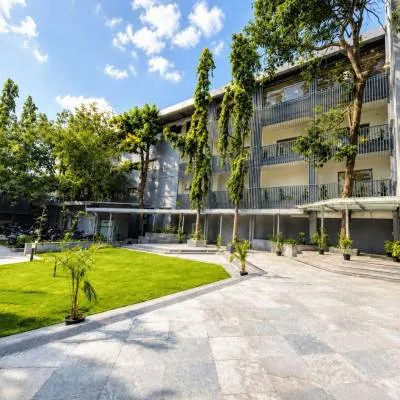
Multi-story vertical gardens on building envelopes. Intensive rooftop ecosystems supporting full tree canopies. Indoor-outdoor green transitions where botanical installations blur the line between landscape and interior. The bold moves that previously triggered value engineering pushback are now getting built—and surviving monsoons, UV exposure, and developer scrutiny.
What unlocked this? Purpose-engineered systems that removed the structural vulnerabilities which previously forced design compromise.
The engineering breakthrough that made intensive green roofs specifiable
Biophilic ambition doesn't fail because of plant selection. It fails when waterproofing can't handle aggressive roots or long term water immersion, when systems de-grade under moisture cycling, or when softscapes and finishes degrade under combined UV and irrigation stress. Traditional building systems weren't designed for the conditions botanical integration creates.
The breakthrough came from rethinking the foundation. Root-safe waterproofing technology now incorporates chemical deterrents and reinforced membranes engineered specifically for functioning under constant moisture exposure and to resist active root penetration. Dr. Fixit vegetative roofing systems, for instance, transform intensive green roofs from calculated risks into decades-long performance specifications—enabling architects to design rooftop forests, not just sedum carpets.
Vertical installations demand even more specialised engineering. Gravity-defying green walls require systems that manage drainage patterns and root behaviour on vertical planes where conventional waterproofing simply runs off.
Dr. Fixit vegetative wall solutions address this challenge directly, giving designers the confidence to specify multi-story living facades knowing the building envelope stays protected.
But waterproofing alone doesn't complete the system. Green installations require tile and stone substrates that maintain bond integrity through seasonal irrigation cycles, thermal movement, and pH fluctuation. Roff tile adhesives employ polymer-modified formulations that prevent the de-bonding which undermines standard installations within months—ensuring the hardscape elements framing botanical visions stay structurally sound for long.
The final piece is finish durability. Outdoor biophilic zones face sustained UV exposure combined with moisture—conditions that cause conventional grouts to discolour and mechanically fail. ROFF Starlike grout, formulated with patented Spanish quartz technology, delivers the impermeability and colour stability architects need to specify finishes that match design intent across years of environmental stress.
From luxury hotels to IT parks to residential complexes: Real projects, bold outcomes
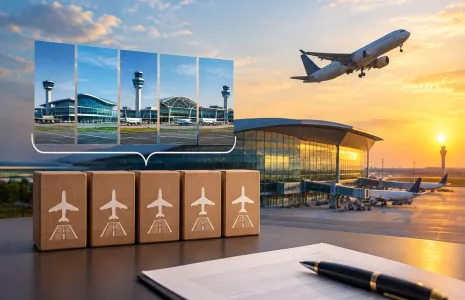
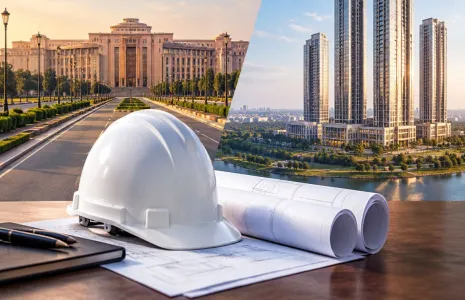
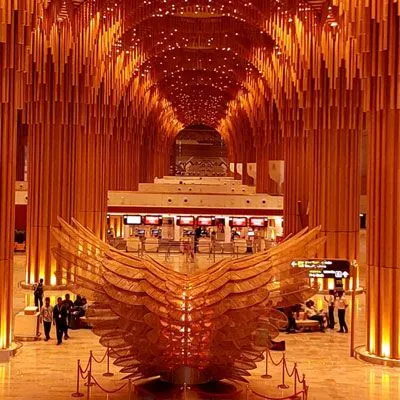
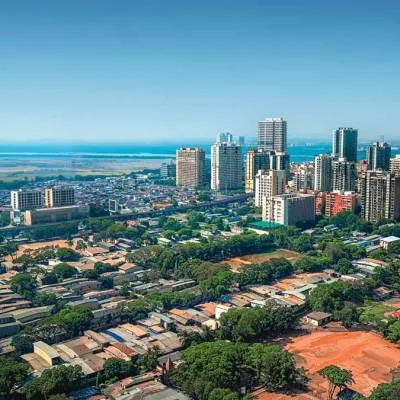
The proof isn't theoretical. Consider the vegetative roofing installations now thriving across India's project landscape: Taj Vikhroli in Mumbai, the podium deck at Lodha Park in Mumbai, software IT parks in Hinjewadi Pune, the JW Mariott Hotel at Mumbai Airport, KRC Mindspace developments in multiple cities, and Peninsula in Mumbai. These aren't cosmetic green roofs—they're intensive botanical installations supporting complex planting palettes, irrigation systems, and architectural ambitions that would have been deemed too risky a decade ago.
The common thread? Integrated systems engineered for the complete botanical-to-structural journey. Architects specified bold knowing the waterproofing wouldn't compromise, the substrates wouldn't fail, and the finishes would maintain integrity.
What changed: Three integrated systems by Pidilite Professional Solutions (PPS) that enable bold botanical specifications
What separates successful biophilic specifications from ones that get diluted in value-engineering exercises or fail post-handover isn't design ambition—it's foundation certainty and a partner from sketch to site (PPS). Four elements unlock specification confidence:
Vegetative-grade waterproofing: Systems purpose-built for root resistance and long-term moisture exposure, covering both horizontal rooftop and vertical facade applications.
Moisture-resilient substrates: Adhesive technology formulated to maintain bond under irrigation cycling and environmental stress.
UV-stable finishing systems: Grout formulations that preserve colour accuracy and structural impermeability across sustained outdoor exposure.
Sketch to Site Support by PPS: A dedicated team of experts from the trusted house of Pidilite providing who enable your bold design with
1. Customised detailing at design stage with
2. 24x7 Tech helpdesk
3. Site audits and digital project tracking
4. Certified applicators across India, and an in-house specialist waterproofing contracting company Nina Percept — trusted on marquee national and international projects.
5. And post-handover support ensuring performance lasts a lifetime
The opportunity is clear. Biophilic design has moved from trend to requirement, clients expect it, and workplace data supports it. Architects who lead aren't the ones avoiding botanical specifications—they're the ones engineering them to perform.
Your boldest biophilic vision can survive site reality. The partners exist. The projects prove it.