


DDA's Land Pooling Push Faces Resistance
Real Estate

DDA's Land Pooling Push Faces Resistance

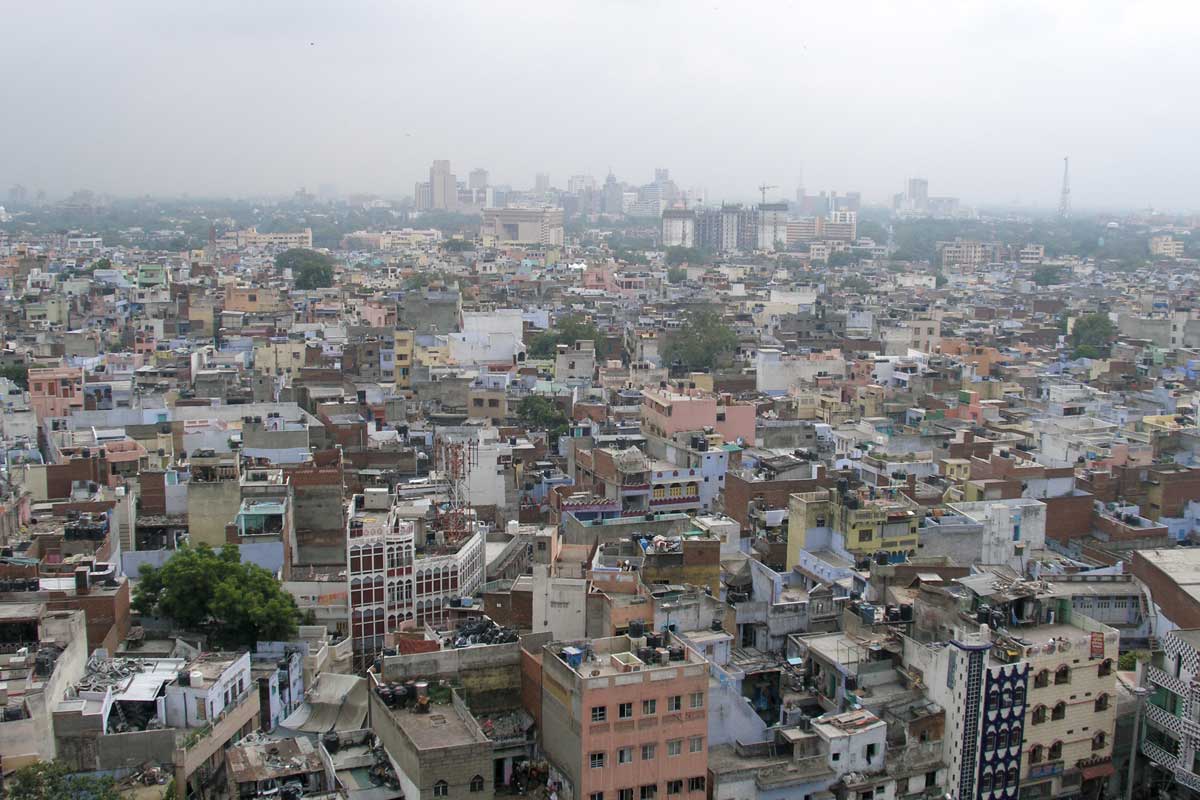
The Delhi Development Authority (DDA) is facing challenges in its efforts to encourage landowners to participate in the city's land pooling policy, which aims to develop 105 villages divided into five zones. Under the policy, landowners are required to form consortiums to pool their land for development, with the goal of bringing modern amenities to these areas, including affordable housing, shopping centers, transportation systems, schools, parks, and hospitals. DDA recently reinvited applications from landowners to join the land pooling initiative, providing a three-month window from August 21 to November 18 for registration. However, as of October 7, not a single application has been received for consortium formation. Villagers argue that without the passing of proposed amendments in the Delhi Development Act, 1957, and the notification of the Delhi Master Plan, 2041, the land pooling policy cannot be effectively implemented. DDA is planning to hold more camps to motivate participation and has set up a helpdesk at its office complex to assist landowners in submitting their applications. Currently, 24.6 hectares of land have been registered on the land pooling portal, with provisional and final notices issued for consortium formation in several sectors. The delay in approving amendments and the notification of MPD, 2041, has raised concerns among villagers, and they stress that issues related to land contiguity and joint ownership will persist until the necessary legislative changes are made. The proposed amendments to the DD Act, 1957, aim to provide greater flexibility and enhanced facilitation for policy implementation.

The Delhi Development Authority (DDA) is facing challenges in its efforts to encourage landowners to participate in the city's land pooling policy, which aims to develop 105 villages divided into five zones. Under the policy, landowners are required to form consortiums to pool their land for development, with the goal of bringing modern amenities to these areas, including affordable housing, shopping centers, transportation systems, schools, parks, and hospitals. DDA recently reinvited applications from landowners to join the land pooling initiative, providing a three-month window from August 21 to November 18 for registration. However, as of October 7, not a single application has been received for consortium formation. Villagers argue that without the passing of proposed amendments in the Delhi Development Act, 1957, and the notification of the Delhi Master Plan, 2041, the land pooling policy cannot be effectively implemented. DDA is planning to hold more camps to motivate participation and has set up a helpdesk at its office complex to assist landowners in submitting their applications. Currently, 24.6 hectares of land have been registered on the land pooling portal, with provisional and final notices issued for consortium formation in several sectors. The delay in approving amendments and the notification of MPD, 2041, has raised concerns among villagers, and they stress that issues related to land contiguity and joint ownership will persist until the necessary legislative changes are made. The proposed amendments to the DD Act, 1957, aim to provide greater flexibility and enhanced facilitation for policy implementation.

Next Story
Infrastructure Transport

Tunnelling Begins for Thane, Borivali twin tunnel project

Tunnelling work has commenced for the 11.84-km Thane–Borivali Twin Tunnel, set to be India’s longest urban road tunnel, marking a key milestone in Mumbai’s infrastructure development.As per a post shared by Mumbai Metropolitan Region Development Authority on social media platform X, the tunnel boring machine (TBM) ‘Nayak’—the country’s largest single-shield hard rock TBM for an urban tunnel—was launched by Devendra Fadnavis on Tuesday. The event was attended by Eknath Shinde and Sunetra Pawar, among other dignitaries. A second TBM, ‘Arjuna’, is expected to be launched so..

Next Story
Infrastructure Transport

Large Format Store Planned At M G Road Metro Station

M G Road station in Bengaluru is set to host the city’s first large-format commercial and experience space, with planning led by Bangalore Metro Rail Corporation Limited. BMRCL has invited proposals to develop and operate a central business district destination at the Purple?Pink Line interchange. The plan positions the station as a commercial hub designed to serve a broad commuter base across the city. The proposal is part of a broader effort to activate transit nodes commercially. Tender documents set a minimum monthly rental of Rs 0.944 million (mn), inclusive of GST, for the large-format..

Next Story
Infrastructure Energy

Government Cancels Auction Of Eleven Critical Mineral Blocks

The government has cancelled the auction of 11 critical and strategic mineral blocks after receiving a poor investor response and failing to attract a sufficient number of qualified bidders. The decision represents a setback to plans to ramp up domestic exploration and production of critical minerals amid global supply chain disruptions and rising demand for materials used in clean energy and advanced technologies. The mines ministry issued an annulment notice setting out the reasons for the cancellations. The annulment notice indicated that the auction process for five mineral blocks was canc..

Advertisement

Subscribe to Our Newsletter

Get daily newsletters around different themes from Construction world.

STAY CONNECTED

Advertisement

Advertisement

Advertisement