



+
Delhi dynamic parking norms: DDA approves draft policy
Real Estate

Delhi dynamic parking norms: DDA approves draft policy

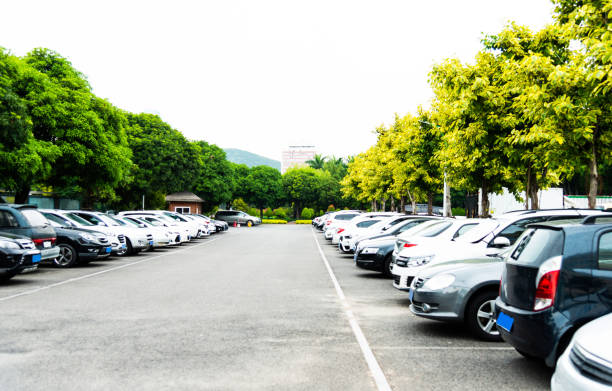
The draft policy for Delhi for dynamic parking norms includes a provision to consider the number and size of abiding units rather than a built-up area for residential projects, which was approved on Tuesday by the DDA. During the Authority meeting chaired by Delhi Lt Governor Anil Baijal of the urban body, the decision was taken.

An official told the media that the authority gave final approval for draft policy for dynamic parking norms in Delhi considering the changed transportation scenario.

The Delhi Development Authority (DDA) told the media that the revised rules also make sure that the parking rules in case of residential projects will now be based on the number and size of the dwelling units rather than the built-up area, ensuring the residents a balanced facility.

DDA also said that the parking norms are made based on a study conducted by the Delhi Urban Arts Commission (DUAC) and discussions with the National Institute of Urban Affairs (NIUA), transportation experts and civic bodies.

The officials told the media that it is going to be forwarded to the Union Ministry of Housing and urban Affairs for its examination and final notification, adding a preliminary approval was given during the meeting of the DDA's Authority on March 18, and subsequently, public notice was issued open for objections and suggestions, which are placed before the Board of Enquiry and Hearing.

These norms will apply to the new and all the ongoing projects and multi-level parking lots once notified.

The norms of General Pool Residential Accommodation (GPRA) colonies will be adopted as the central government approved in the case of government housing.

Image Source


Also read: Mumbai gets first multi-level robotic shuttle parking system

The draft policy for Delhi for dynamic parking norms includes a provision to consider the number and size of abiding units rather than a built-up area for residential projects, which was approved on Tuesday by the DDA. During the Authority meeting chaired by Delhi Lt Governor Anil Baijal of the urban body, the decision was taken. An official told the media that the authority gave final approval for draft policy for dynamic parking norms in Delhi considering the changed transportation scenario. The Delhi Development Authority (DDA) told the media that the revised rules also make sure that the parking rules in case of residential projects will now be based on the number and size of the dwelling units rather than the built-up area, ensuring the residents a balanced facility. DDA also said that the parking norms are made based on a study conducted by the Delhi Urban Arts Commission (DUAC) and discussions with the National Institute of Urban Affairs (NIUA), transportation experts and civic bodies. The officials told the media that it is going to be forwarded to the Union Ministry of Housing and urban Affairs for its examination and final notification, adding a preliminary approval was given during the meeting of the DDA's Authority on March 18, and subsequently, public notice was issued open for objections and suggestions, which are placed before the Board of Enquiry and Hearing. These norms will apply to the new and all the ongoing projects and multi-level parking lots once notified. The norms of General Pool Residential Accommodation (GPRA) colonies will be adopted as the central government approved in the case of government housing. Image Source Also read: Mumbai gets first multi-level robotic shuttle parking system

Next Story
Infrastructure Urban

Implementation Status of Jal Jeevan Mission

Since August 2019 the Government has implemented Jal Jeevan Mission to provide assured potable water through household tap connections in rural India. At the start of the mission only 32.3 million (mn) rural households, representing 16.7 per cent, were reported to have tap water connections. States and union territories have reported that 125.8 mn additional rural households have since been provided with tap connections. As a result, of about 193.6 mn rural households roughly 158.2 mn, or 81.71 per cent, are reported to have tap water supply at home.\n\nThe State, district and village level st..

Next Story
Infrastructure Urban

Jal Jeevan Mission Reaches Eighty One Per Cent Rural Coverage

The Government reported substantial progress under the Jal Jeevan Mission, launched in August 2019 to provide tap water to every rural household. At launch only 32.3 million (mn) rural households had tap connections and states and Union territories reported provision of 125.8 mn additional households by March 2026. Consequently, out of about 193.6 mn rural households around 158.2 mn, or 81.71 per cent, are reported to have tap water at home. The Finance Minister announced extension of the mission until 2028 in the 2025-26 budget speech. The Swachh Bharat Mission Grameen, launched in October 20..

Next Story
Infrastructure Urban

Empowering Local Governance for Sustainable Rural Water Supply

The Ministry of Jal Shakti has aligned the Jal Jeevan Mission (JJM) with the 73rd Amendment to strengthen village level planning and community ownership of water supply. Gram Panchayats, village water and sanitation committees and Pani Samitis are to plan, implement, manage and maintain piped water systems, with gram sabha processes formalising handover and oversight. Implementation support agencies including non government organisations, community based organisations and self help groups have been empanelled to train local committees and promote women participation. Under JJM, the department ..

Advertisement

Subscribe to Our Newsletter

Get daily newsletters around different themes from Construction world.

STAY CONNECTED

Advertisement

Advertisement

Advertisement