



Developers Acquire 58% More Land
Real Estate

Developers Acquire 58% More Land

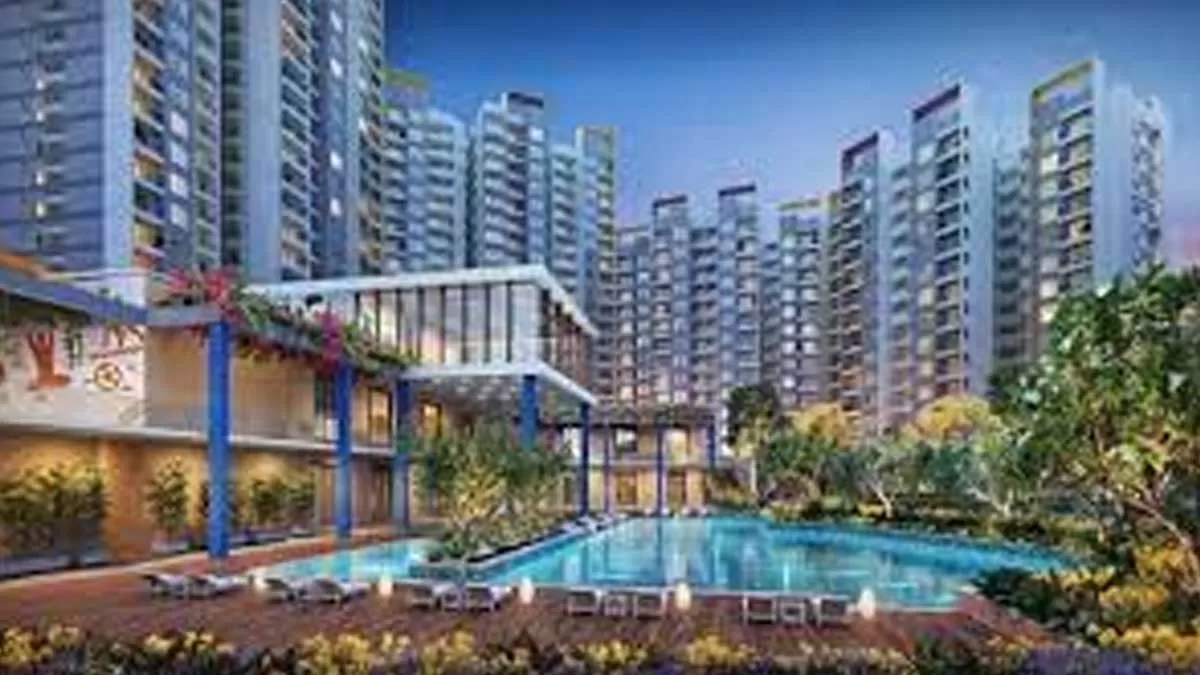
In the fiscal year 2024, real estate developers have exhibited a notable surge in land acquisitions, marking a substantial 58% increase compared to previous years. This surge comes in response to the escalating demand for residential properties in various regions. The industry has witnessed a remarkable shift as developers strategically position themselves to capitalize on the burgeoning market demand.

The significant rise in land acquisitions underscores the confidence of developers in the resilience and potential of the real estate sector. Despite challenges posed by economic fluctuations and evolving market dynamics, developers are displaying a proactive approach in expanding their land portfolios to cater to the growing housing needs of the populace.

The current trend reflects a broader sentiment within the real estate market, driven by factors such as urbanization, population growth, and evolving lifestyle preferences. As cities continue to expand and populations concentrate in urban areas, the demand for housing, both affordable and upscale, experiences a corresponding uptick. Developers are keenly attuned to these demographic shifts and are strategically acquiring land parcels in prime locations to meet the evolving residential requirements.

Moreover, the emergence of new trends such as remote work and digital nomadism has reshaped preferences for residential spaces. With an increasing number of individuals opting for flexible work arrangements, there is a growing demand for homes that accommodate remote work setups and offer enhanced amenities conducive to a balanced lifestyle.

The surge in land acquisitions by developers also reflects a broader optimism regarding the economic outlook and future prospects of the real estate market. Despite periodic fluctuations and regulatory changes, the fundamental demand for housing remains robust, offering developers ample opportunities for growth and expansion.

In conclusion, the substantial increase in land acquisitions by real estate developers in fiscal year 2024 signifies a strategic response to the rising demand for residential properties. This trend underscores the resilience of the real estate sector and highlights the proactive approach of developers in adapting to evolving market dynamics and consumer preferences.

In the fiscal year 2024, real estate developers have exhibited a notable surge in land acquisitions, marking a substantial 58% increase compared to previous years. This surge comes in response to the escalating demand for residential properties in various regions. The industry has witnessed a remarkable shift as developers strategically position themselves to capitalize on the burgeoning market demand. The significant rise in land acquisitions underscores the confidence of developers in the resilience and potential of the real estate sector. Despite challenges posed by economic fluctuations and evolving market dynamics, developers are displaying a proactive approach in expanding their land portfolios to cater to the growing housing needs of the populace. The current trend reflects a broader sentiment within the real estate market, driven by factors such as urbanization, population growth, and evolving lifestyle preferences. As cities continue to expand and populations concentrate in urban areas, the demand for housing, both affordable and upscale, experiences a corresponding uptick. Developers are keenly attuned to these demographic shifts and are strategically acquiring land parcels in prime locations to meet the evolving residential requirements. Moreover, the emergence of new trends such as remote work and digital nomadism has reshaped preferences for residential spaces. With an increasing number of individuals opting for flexible work arrangements, there is a growing demand for homes that accommodate remote work setups and offer enhanced amenities conducive to a balanced lifestyle. The surge in land acquisitions by developers also reflects a broader optimism regarding the economic outlook and future prospects of the real estate market. Despite periodic fluctuations and regulatory changes, the fundamental demand for housing remains robust, offering developers ample opportunities for growth and expansion. In conclusion, the substantial increase in land acquisitions by real estate developers in fiscal year 2024 signifies a strategic response to the rising demand for residential properties. This trend underscores the resilience of the real estate sector and highlights the proactive approach of developers in adapting to evolving market dynamics and consumer preferences.

Next Story
Infrastructure Transport

Large Format Store Planned At M G Road Metro Station

M G Road station in Bengaluru is set to host the city’s first large-format commercial and experience space, with planning led by Bangalore Metro Rail Corporation Limited. BMRCL has invited proposals to develop and operate a central business district destination at the Purple?Pink Line interchange. The plan positions the station as a commercial hub designed to serve a broad commuter base across the city. The proposal is part of a broader effort to activate transit nodes commercially. Tender documents set a minimum monthly rental of Rs 0.944 million (mn), inclusive of GST, for the large-format..

Next Story
Infrastructure Energy

Government Cancels Auction Of Eleven Critical Mineral Blocks

The government has cancelled the auction of 11 critical and strategic mineral blocks after receiving a poor investor response and failing to attract a sufficient number of qualified bidders. The decision represents a setback to plans to ramp up domestic exploration and production of critical minerals amid global supply chain disruptions and rising demand for materials used in clean energy and advanced technologies. The mines ministry issued an annulment notice setting out the reasons for the cancellations. The annulment notice indicated that the auction process for five mineral blocks was canc..

Next Story
Infrastructure Energy

Gujarat Pushes Biogas Growth With 193 Operational Units

Gujarat has operationalised 193 biogas plants across the state and is planning to add 60 more units as part of a broader push to scale up clean and sustainable energy solutions. The existing plants, established under various government-supported schemes, process organic waste including cattle dung and agricultural residue to produce biogas and a nutrient-rich slurry. The output is mainly used for cooking and other energy needs in rural and semi-urban communities, while also improving local waste management practices. The Gujarat Energy Development Agency (GEDA) is leading the initiative and is..

Advertisement

Subscribe to Our Newsletter

Get daily newsletters around different themes from Construction world.

STAY CONNECTED

Advertisement

Advertisement

Advertisement