Kolkata metro begins Phase 2 of Noapara-New Barrackpore corridor
Real Estate

Kolkata metro begins Phase 2 of Noapara-New Barrackpore corridor

The planned Noapara-New Barrackpore Metro is ultimately witnessing the light of the day as Metro Railway begins Phase 2 of Yellow Line, the 3.6 km Noapara-New Barrackpore corridor through the airport.

Senbo Engineering and ITD Cementation, which is additionally implementing East-West Metro, have emerged as the lowest bidders for the stretch. Once the whole Yellow Line is functioning, the southern point of Metro — New Garia or Kavi Subhas — will get linked to the northern end, Barasat. For now, it will go up to New Barrackpore.

During the last two years, Metro Railway has been busy with Yellow Line’s Phase 1, which includes 6.9 km from Noapara to the airport and is observing a 2023-commissioning. But even amidst the hectic development of Phase 1, Metro Railway, the executing agency of Line 4 which has now been christened the Yellow Line, invited bids for Phase 2 — the 3.6 km underground section from airport to New Barrackpore — in January 2022.

The Yellow Line or the entire Noapara extension will include 18.1 km and eventually link Barasat in the northeast suburbia with mainstream Kolkata, through the airport. But the plan is still on the drawing board. Bids could not be invited for Phase 3 or the New Barrackpore-Barasat stretch because nobody knows when the section will launch because of significant encroachment along the way.

They are waiting for the state government to help them fix the encroachment problem along the Barasat stretch. Meanwhile, they have begun with Yellow Line’s Phase 2, so that New Barrackpore can be covered in the Metro network shortly, as per a senior Metro Railway official. The Metro line to New Barrackpore through Netaji Subhas Chandra Bose Airport will have two stations — Birati and New Barrackpore. The stretch includes extremely short tunnelling. Thus, construction will be in the cut-and-cover method and not via tunnel boring.

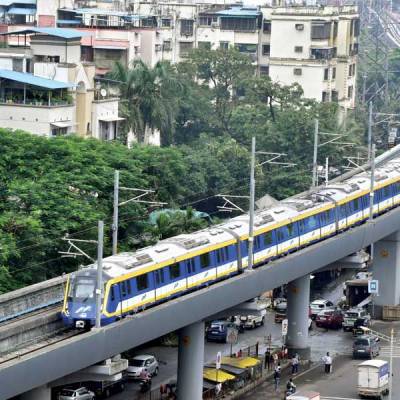
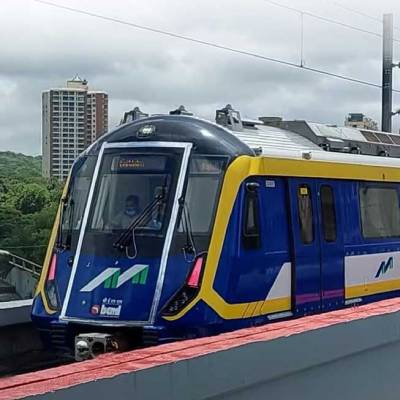
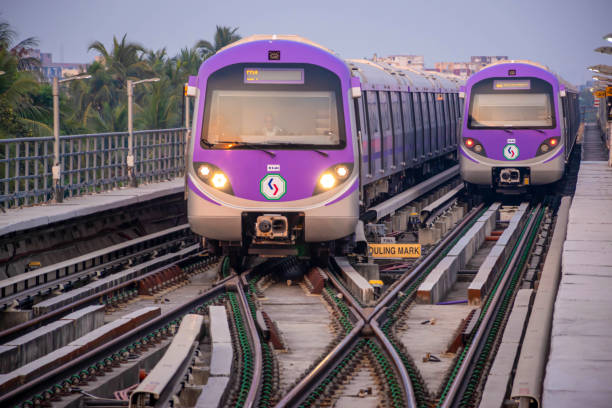
Image Source

Also read: Kolkata metro witnesses growth in infrastructure, capacity expansion

"Join industry leaders at RAHSTA Expo, India's premier platform for roads, highways and traffic infrastructure. Register now to explore innovations, network with experts and shape the future of mobility."

The planned Noapara-New Barrackpore Metro is ultimately witnessing the light of the day as Metro Railway begins Phase 2 of Yellow Line, the 3.6 km Noapara-New Barrackpore corridor through the airport. Senbo Engineering and ITD Cementation, which is additionally implementing East-West Metro, have emerged as the lowest bidders for the stretch. Once the whole Yellow Line is functioning, the southern point of Metro — New Garia or Kavi Subhas — will get linked to the northern end, Barasat. For now, it will go up to New Barrackpore. During the last two years, Metro Railway has been busy with Yellow Line’s Phase 1, which includes 6.9 km from Noapara to the airport and is observing a 2023-commissioning. But even amidst the hectic development of Phase 1, Metro Railway, the executing agency of Line 4 which has now been christened the Yellow Line, invited bids for Phase 2 — the 3.6 km underground section from airport to New Barrackpore — in January 2022. The Yellow Line or the entire Noapara extension will include 18.1 km and eventually link Barasat in the northeast suburbia with mainstream Kolkata, through the airport. But the plan is still on the drawing board. Bids could not be invited for Phase 3 or the New Barrackpore-Barasat stretch because nobody knows when the section will launch because of significant encroachment along the way. They are waiting for the state government to help them fix the encroachment problem along the Barasat stretch. Meanwhile, they have begun with Yellow Line’s Phase 2, so that New Barrackpore can be covered in the Metro network shortly, as per a senior Metro Railway official. The Metro line to New Barrackpore through Netaji Subhas Chandra Bose Airport will have two stations — Birati and New Barrackpore. The stretch includes extremely short tunnelling. Thus, construction will be in the cut-and-cover method and not via tunnel boring. Image Source Also read: Kolkata metro witnesses growth in infrastructure, capacity expansion

Next Story
Infrastructure Energy

Centre Prioritising Energy Security With Coal Gasification

Union minister for Coal and Mines G Kishan Reddy said the Centre is prioritising energy security through a strategic shift to coal gasification and has announced incentives totalling Rs 460 billion (bn) to support the effort. He said more than 35 companies will start coal gasification activities in India within two months and that the government is encouraging firms that bring technology to close the domestic technology gap. The minister described the initiative as aimed at reducing import dependence and developing indigenous capacity. India has the fifth-largest coal reserve in the world, and..

Next Story
Infrastructure Urban

BHEL and Coal India Invest Rs 250 bn in Odisha Gasification

Bharat Heavy Electricals (BHEL) and Coal India (CIL) are jointly investing Rs 250 billion in a coal gasification project in Odisha, with the Prime Minister laying the foundation stone in Jharsuguda. Union Coal and Mines Minister G Kishan Reddy described the initiative as a transformative shift in coal utilisation that will open industrial avenues for the state. The project moves coal beyond conventional power generation to industrial feedstocks. Coal gasification will convert coal into synthesis gas, a versatile feedstock for chemicals, fertilisers and synthetic fuels, and the technology is ex..

Next Story
Infrastructure Energy

BCCL Hands Over Dugdha Coal Washery To JSW Steel

Bharat Coking Coal has handed over the Dugdha Coal Washery to JSW Steel, marking the first coal washery asset monetisation under the Ministry of Coal's asset monetisation programme. The handover took place in the presence of senior officials from Bharat Coking Coal Ltd, JSW Steel and JSW Energy. The washery has a capacity of two million tonnes per annum (mn t per annum), and its transfer is intended to introduce private sector practices into coal beneficiation operations. The monetisation is aimed at modernising coal sector assets, improving operational efficiency and enhancing resource utilis..

Advertisement

Subscribe to Our Newsletter

Get daily newsletters around different themes from Construction world.

STAY CONNECTED

Advertisement

Advertisement

Advertisement