MahaRERA Limits SRO Appointee Tenure to Two Years to Prevent Conflict
Real Estate

MahaRERA Limits SRO Appointee Tenure to Two Years to Prevent Conflict

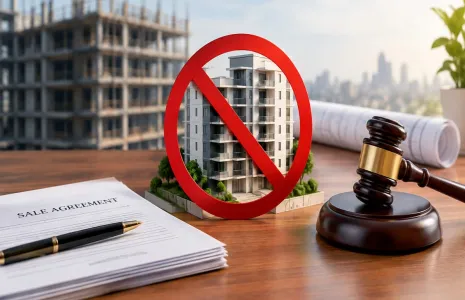
The Maharashtra Real Estate Regulatory Authority (MahaRERA) has set a two-year tenure limit for representatives appointed by Self-Regulatory Organisations (SROs) assisting with housing project registrations. This decision aims to prevent potential conflicts of interest. In a directive to SROs, MahaRERA has instructed the immediate replacement of representatives who have completed two years. Additionally, the authority emphasised that appointees must be subject matter experts in legal, financial, or technical fields, which are critical for the housing project registration process. “The registration process involves rigorous scrutiny of legal, financial, and technical aspects, and this requires domain expertise from SRO representatives. Therefore, appointing specialists and setting a maximum tenure of two years is essential,” stated Manoj Saunik, chairman of MahaRERA. Currently, seven SROs are recognised by MahaRERA, including NAREDCO West Foundation, CREDAI-MCHI, CREDAI Maharashtra, Builders Association of India, Marathi Bandhkam Vyavsayik Association, Brihanmumbai Developer Association, and CREDAI-Pune. As per the Real Estate (Regulation and Development) Act, 2016, all housing projects must obtain a MahaRERA registration number before being advertised, promoted, or sold. The authority meticulously scrutinises each proposal based on legal, financial, and technical criteria before granting registration. SRO representatives play a key role in assisting member developers through the registration process by addressing observations raised by MahaRERA. To ensure seamless support, the authority mandates that SROs appoint representatives with expertise in at least one of the three critical domains and rotate appointees as required. MahaRERA has clarified that only one representative per SRO is permitted and emphasised the need for their presence on a rotational basis to meet the requirements of member developers.

(ET)

"Join industry leaders at RAHSTA Expo, India's premier platform for roads, highways and traffic infrastructure. Register now to explore innovations, network with experts and shape the future of mobility."

The Maharashtra Real Estate Regulatory Authority (MahaRERA) has set a two-year tenure limit for representatives appointed by Self-Regulatory Organisations (SROs) assisting with housing project registrations. This decision aims to prevent potential conflicts of interest. In a directive to SROs, MahaRERA has instructed the immediate replacement of representatives who have completed two years. Additionally, the authority emphasised that appointees must be subject matter experts in legal, financial, or technical fields, which are critical for the housing project registration process. “The registration process involves rigorous scrutiny of legal, financial, and technical aspects, and this requires domain expertise from SRO representatives. Therefore, appointing specialists and setting a maximum tenure of two years is essential,” stated Manoj Saunik, chairman of MahaRERA. Currently, seven SROs are recognised by MahaRERA, including NAREDCO West Foundation, CREDAI-MCHI, CREDAI Maharashtra, Builders Association of India, Marathi Bandhkam Vyavsayik Association, Brihanmumbai Developer Association, and CREDAI-Pune. As per the Real Estate (Regulation and Development) Act, 2016, all housing projects must obtain a MahaRERA registration number before being advertised, promoted, or sold. The authority meticulously scrutinises each proposal based on legal, financial, and technical criteria before granting registration. SRO representatives play a key role in assisting member developers through the registration process by addressing observations raised by MahaRERA. To ensure seamless support, the authority mandates that SROs appoint representatives with expertise in at least one of the three critical domains and rotate appointees as required. MahaRERA has clarified that only one representative per SRO is permitted and emphasised the need for their presence on a rotational basis to meet the requirements of member developers. (ET)

Next Story
Infrastructure Transport

Bhogapuram Airport Set For Take Off After Licence Issued

Union Civil Aviation Minister Kinjarapu Ram Mohan Naidu announced that Alluri Sitharama Raju Bhogapuram International Airport has achieved 100 per cent completion following issuance of its aerodrome licence by the Ministry of Civil Aviation after an inspection with public representatives, district officials and GMR Group representatives. The licence was granted after extensive verification over the past month to ensure that safety and operational standards were met. The Chief Minister's Office has already contacted the Prime Minister's Office to finalise an inauguration date and commercial fli..

Next Story
Infrastructure Urban

Auto Sector To Grow 22-24 Per Cent In Q1 FY27

Credit Rating Information Services of India (Crisil) estimated that India's automobile sector is expected to report revenue growth of 22-24 per cent year-on-year in the first quarter of FY27 and to be among the largest contributors to corporate revenue growth in the quarter. The agency estimated overall corporate revenue to have grown 11-11.5 per cent year-on-year in the quarter ended 30 June 2026, the fastest pace in two years despite supply chain disruptions and higher input costs from the West Asia conflict. This compared with growth of 9.6 per cent in the preceding quarter. Crisil said the..

Next Story
Infrastructure Urban

Nomura Sees Q1 Pressure On Cement Margins; Backs Major Players

Nomura said cement margins will be under pressure in the June quarter as fuel and packaging costs rose, although volume growth is expected to remain healthy. The brokerage forecast six to seven per cent year-on-year organic volume growth for the Indian cement industry in the period, with Shree Cement identified as likely to post the highest growth at 15 per cent year-on-year. It noted that the West and North regions outperformed on pricing, aiding companies with greater exposure in those markets. Average trade prices improved three per cent sequentially to around Rs 326 per bag after price inc..

Advertisement

Subscribe to Our Newsletter

Get daily newsletters around different themes from Construction world.

STAY CONNECTED

Advertisement

Advertisement

Advertisement