Mandatory to use treated water for construction activities
Real Estate

Mandatory to use treated water for construction activities

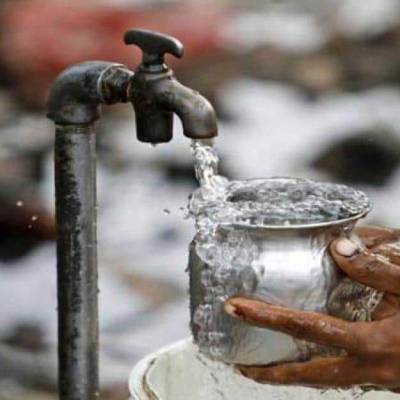
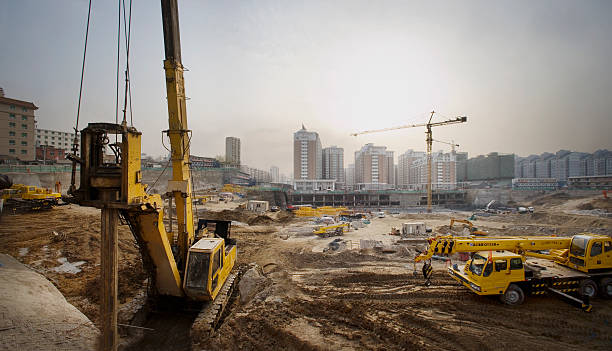
Pune Municipal Corporation (PMC) has made it compulsory to use greywater or treated water for construction activities, including concrete mixing, curing buildings, etc.

The municipal corporation administration had passed the order in this regard a bid to save 100 million litres per day (MLD) of water. The shopping malls using water-based cooling systems will also use treated water.

The Head of PMC, Aniruddha Pawaskar, told the media that tests are carried out of water coming out from sewage treatment plants (STPs), which shows that the treated water can be used further.

According to the officials, about one crore sq ft of construction activities, including residential and commercial projects, take place every year in Pune, and about 4,500 building permissions are granted every year. The official said that using treated water is mandatory for several purposes, such as saving potable drinking water and reducing underground water wastage.

According to an official, PMC was already willing to reduce water consumption after getting complaints from the irrigation department because of its misuse. The corporation had been using more than its allotted quota of 11.6 TMC of water in the last few years.

Another official said that the civic body was demanding more water from the irrigation department, stating reasons, including the merger of 23 villages and ease of Covid-19 lockdown restrictions. It has requested 18.58 TMC of water to cater to the increasing water needs.

Image Source

Pune Municipal Corporation (PMC) has made it compulsory to use greywater or treated water for construction activities, including concrete mixing, curing buildings, etc. The municipal corporation administration had passed the order in this regard a bid to save 100 million litres per day (MLD) of water. The shopping malls using water-based cooling systems will also use treated water. The Head of PMC, Aniruddha Pawaskar, told the media that tests are carried out of water coming out from sewage treatment plants (STPs), which shows that the treated water can be used further. According to the officials, about one crore sq ft of construction activities, including residential and commercial projects, take place every year in Pune, and about 4,500 building permissions are granted every year. The official said that using treated water is mandatory for several purposes, such as saving potable drinking water and reducing underground water wastage. According to an official, PMC was already willing to reduce water consumption after getting complaints from the irrigation department because of its misuse. The corporation had been using more than its allotted quota of 11.6 TMC of water in the last few years. Another official said that the civic body was demanding more water from the irrigation department, stating reasons, including the merger of 23 villages and ease of Covid-19 lockdown restrictions. It has requested 18.58 TMC of water to cater to the increasing water needs. Image Source

Next Story
Infrastructure Urban

TBO Tek Q2 Profit Climbs 12%, Revenue Surges 26% YoY

TBO Tek Limited one of the world’s largest travel distribution platforms, reported a solid performance for Q2 FY26 with a 26 per cent year-on-year increase in revenue to Rs 5.68 billion, reflecting broad-based growth and improving profitability.The company recorded a Gross Transaction Value (GTV) of Rs 8,901 crore, up 12 per cent YoY, driven by strong performance across Europe, MEA, and APAC regions. Adjusted EBITDA before acquisition-related costs stood at Rs 1.04 billion, up 16 per cent YoY, translating into an 18.32 per cent margin compared to 16.56 per cent in Q1 FY26. Profit after tax r..

Next Story
Infrastructure Energy

Northern Graphite, Rain Carbon Secure R&D Grant for Greener Battery Materials

Northern Graphite Corporation and Rain Carbon Canada Inc, a subsidiary of Rain Carbon Inc, have jointly received up to C$860,000 (€530,000) in funding under the Canada–Germany Collaborative Industrial Research and Development Programme to develop sustainable battery anode materials.The two-year, C$2.2 million project aims to transform natural graphite processing by-products into high-performance, battery-grade anode material (BAM). Supported by the National Research Council of Canada Industrial Research Assistance Programme (NRC IRAP) and Germany’s Federal Ministry for Economic Affairs a..

Next Story
Infrastructure Urban

Antony Waste Q2 Revenue Jumps 16%; Subsidiary Wins Rs 3,200 Cr WtE Projects

Antony Waste Handling Cell Limited (AWHCL), a leading player in India’s municipal solid waste management sector, announced a 16 per cent year-on-year increase in total operating revenue to Rs 2.33 billion for Q2 FY26. The growth was driven by higher waste volumes, escalated contracts, and strong operational execution.EBITDA rose 18 per cent to Rs 570 million, with margins steady at 21.6 per cent, while profit after tax stood at Rs 173 million, up 13 per cent YoY. Revenue from Municipal Solid Waste Collection and Transportation (MSW C&T) reached Rs 1.605 billion, and MSW Processing re..

Advertisement

Subscribe to Our Newsletter

Get daily newsletters around different themes from Construction world.

STAY CONNECTED

Advertisement

Advertisement

Advertisement

Get CW App