+
Mumbai's real estate registrations increase by nine per cent in 2022
Real Estate

Mumbai's real estate registrations increase by nine per cent in 2022

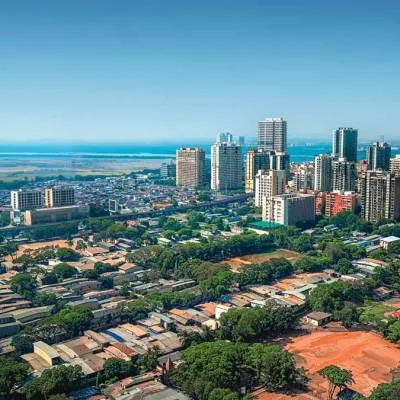
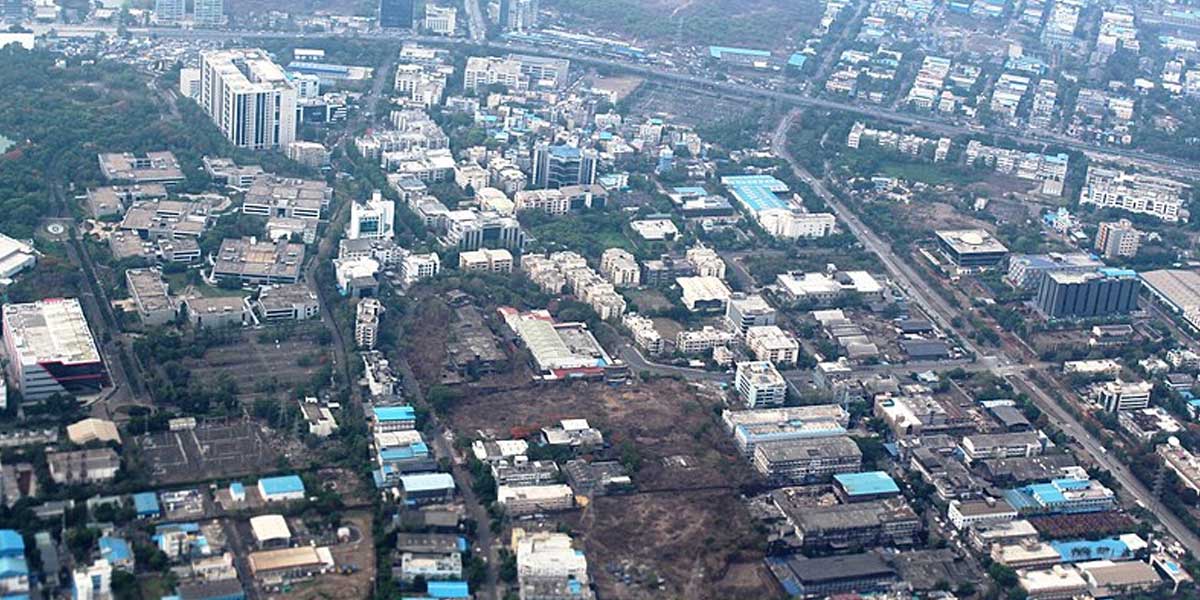
During the 2022 calendar year, registration of homes in Mumbai city increased 9 per cent year over year to approximately 1.22 lakh units, the greatest number in the previous ten years, according to Knight Frank India.

As many as 1,11,913 units were registered in Mumbai's BMC region in the previous year. In 2013, there were 64,242 registered properties; in 2014, 63,636; in 2015, 67,400; in 2016, 63,255; in 2017, 68,659; in 2018, 80,746; in 2019, 67,863; and in 2020, 65,633 units. According to the consultant, 9,182 real estate sales were registered in Mumbai City (BMC region) in December 2022, bringing in over INR 8210 million to the state income. Stamp duty and registration fees brought in INR 88,870 million to the state exchequer in 2022.

Shishir Baijal, Chairman and Managing Director of Knight Frank India, opined the residential market in Mumbai is expanding as a result of pandemic-related change in people's attitudes on property purchases as also the fact that it produces additional income and financial security. As a result, demand has persisted despite rising house loan rates, the lack of state government concessions, and increases in capital values over the past year. “Mumbai, “ Baijal added “is also much more cheap now than it was a decade ago (despite the affordability index degrading by 100 basis points), which has sufficiently offset the potential impact of the growth in prices and house loans."

On the strength of solid demand, consistent income, and positive economic growth in 2022, property registration increased without the aid of any government incentives.

During the 2022 calendar year, registration of homes in Mumbai city increased 9 per cent year over year to approximately 1.22 lakh units, the greatest number in the previous ten years, according to Knight Frank India. As many as 1,11,913 units were registered in Mumbai's BMC region in the previous year. In 2013, there were 64,242 registered properties; in 2014, 63,636; in 2015, 67,400; in 2016, 63,255; in 2017, 68,659; in 2018, 80,746; in 2019, 67,863; and in 2020, 65,633 units. According to the consultant, 9,182 real estate sales were registered in Mumbai City (BMC region) in December 2022, bringing in over INR 8210 million to the state income. Stamp duty and registration fees brought in INR 88,870 million to the state exchequer in 2022. Shishir Baijal, Chairman and Managing Director of Knight Frank India, opined the residential market in Mumbai is expanding as a result of pandemic-related change in people's attitudes on property purchases as also the fact that it produces additional income and financial security. As a result, demand has persisted despite rising house loan rates, the lack of state government concessions, and increases in capital values over the past year. “Mumbai, “ Baijal added “is also much more cheap now than it was a decade ago (despite the affordability index degrading by 100 basis points), which has sufficiently offset the potential impact of the growth in prices and house loans. On the strength of solid demand, consistent income, and positive economic growth in 2022, property registration increased without the aid of any government incentives.

Next Story
Infrastructure Urban

Implementation Status of Jal Jeevan Mission

Since August 2019 the Government has implemented Jal Jeevan Mission to provide assured potable water through household tap connections in rural India. At the start of the mission only 32.3 million (mn) rural households, representing 16.7 per cent, were reported to have tap water connections. States and union territories have reported that 125.8 mn additional rural households have since been provided with tap connections. As a result, of about 193.6 mn rural households roughly 158.2 mn, or 81.71 per cent, are reported to have tap water supply at home.\n\nThe State, district and village level st..

Next Story
Infrastructure Urban

Jal Jeevan Mission Reaches Eighty One Per Cent Rural Coverage

The Government reported substantial progress under the Jal Jeevan Mission, launched in August 2019 to provide tap water to every rural household. At launch only 32.3 million (mn) rural households had tap connections and states and Union territories reported provision of 125.8 mn additional households by March 2026. Consequently, out of about 193.6 mn rural households around 158.2 mn, or 81.71 per cent, are reported to have tap water at home. The Finance Minister announced extension of the mission until 2028 in the 2025-26 budget speech. The Swachh Bharat Mission Grameen, launched in October 20..

Next Story
Infrastructure Urban

Empowering Local Governance for Sustainable Rural Water Supply

The Ministry of Jal Shakti has aligned the Jal Jeevan Mission (JJM) with the 73rd Amendment to strengthen village level planning and community ownership of water supply. Gram Panchayats, village water and sanitation committees and Pani Samitis are to plan, implement, manage and maintain piped water systems, with gram sabha processes formalising handover and oversight. Implementation support agencies including non government organisations, community based organisations and self help groups have been empanelled to train local committees and promote women participation. Under JJM, the department ..

Advertisement

Subscribe to Our Newsletter

Get daily newsletters around different themes from Construction world.

STAY CONNECTED

Advertisement

Advertisement

Advertisement