


+
Property prices in Dubai surge but rents slump
Real Estate

Property prices in Dubai surge but rents slump

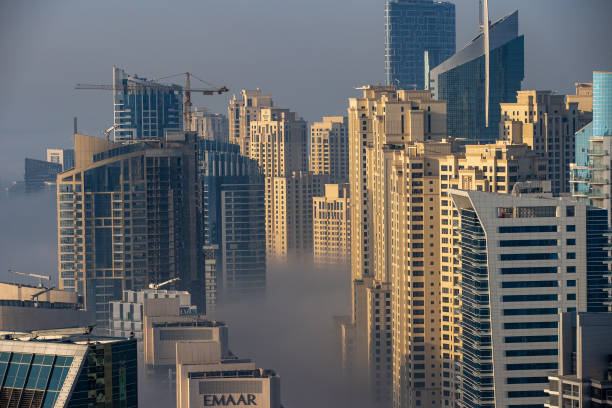
CBRE Group, a real estate investment firm, announced on Thursday that average residential property prices in Dubai rose 4.4% in the year to August, the highest annual increase since February 2015.

However, a continued drop in rents signalled that the long-struggling sector would continue to struggle. According to CBRE, Dubai rents continued to fall in the year ending in August, falling by 2.7% on average.

The luxury segment of Dubai's property market has seen a boost following a sharp downturn caused by Covid-19, according to Reuters, but recovery is still a long way off.

The United Arab Emirates' long-term economic trend had been sluggish since the 2014 to 2015 oil price crash, even before the pandemic. For years, supply has outpaced demand for new houses and apartments in a market dominated by foreigners, many of whom left during the pandemic.

According to CBRE data, the market continues to favour villas over apartments, with prices remaining well below historic highs. While apartment prices rose 2.5% and villa prices rose 17.9% in the year to August, they were still 30.4% and 20.5% below their 2014 highs.

In August, average apartment rents fell by 5.2% year over year, while average villa rents rose by 15.5%, the highest growth rate on record for the segment.

The occupancy rate in the office market has increased, rising to 28.8% in the third quarter of this year from 77.1% the previous quarter. In the third quarter, average rents in the prime and Grades A to C categories fell between 4.1% and 6.5% year over year.

New entrants, such as international and local technology firms, fintech firms, and Chinese companies, have put downward pressure on prices, according to CBRE. Prime and Grade A offices are in high demand from them.

Image Source

Also read: Maharashtra property registration revenue at Rs 7,507 cr in Q2

CBRE Group, a real estate investment firm, announced on Thursday that average residential property prices in Dubai rose 4.4% in the year to August, the highest annual increase since February 2015. However, a continued drop in rents signalled that the long-struggling sector would continue to struggle. According to CBRE, Dubai rents continued to fall in the year ending in August, falling by 2.7% on average. The luxury segment of Dubai's property market has seen a boost following a sharp downturn caused by Covid-19, according to Reuters, but recovery is still a long way off. The United Arab Emirates' long-term economic trend had been sluggish since the 2014 to 2015 oil price crash, even before the pandemic. For years, supply has outpaced demand for new houses and apartments in a market dominated by foreigners, many of whom left during the pandemic. According to CBRE data, the market continues to favour villas over apartments, with prices remaining well below historic highs. While apartment prices rose 2.5% and villa prices rose 17.9% in the year to August, they were still 30.4% and 20.5% below their 2014 highs. In August, average apartment rents fell by 5.2% year over year, while average villa rents rose by 15.5%, the highest growth rate on record for the segment. The occupancy rate in the office market has increased, rising to 28.8% in the third quarter of this year from 77.1% the previous quarter. In the third quarter, average rents in the prime and Grades A to C categories fell between 4.1% and 6.5% year over year. New entrants, such as international and local technology firms, fintech firms, and Chinese companies, have put downward pressure on prices, according to CBRE. Prime and Grade A offices are in high demand from them. Image Source Also read: Maharashtra property registration revenue at Rs 7,507 cr in Q2

Next Story
Infrastructure Urban

Implementation Status of Jal Jeevan Mission

Since August 2019 the Government has implemented Jal Jeevan Mission to provide assured potable water through household tap connections in rural India. At the start of the mission only 32.3 million (mn) rural households, representing 16.7 per cent, were reported to have tap water connections. States and union territories have reported that 125.8 mn additional rural households have since been provided with tap connections. As a result, of about 193.6 mn rural households roughly 158.2 mn, or 81.71 per cent, are reported to have tap water supply at home.\n\nThe State, district and village level st..

Next Story
Infrastructure Urban

Jal Jeevan Mission Reaches Eighty One Per Cent Rural Coverage

The Government reported substantial progress under the Jal Jeevan Mission, launched in August 2019 to provide tap water to every rural household. At launch only 32.3 million (mn) rural households had tap connections and states and Union territories reported provision of 125.8 mn additional households by March 2026. Consequently, out of about 193.6 mn rural households around 158.2 mn, or 81.71 per cent, are reported to have tap water at home. The Finance Minister announced extension of the mission until 2028 in the 2025-26 budget speech. The Swachh Bharat Mission Grameen, launched in October 20..

Next Story
Infrastructure Urban

Empowering Local Governance for Sustainable Rural Water Supply

The Ministry of Jal Shakti has aligned the Jal Jeevan Mission (JJM) with the 73rd Amendment to strengthen village level planning and community ownership of water supply. Gram Panchayats, village water and sanitation committees and Pani Samitis are to plan, implement, manage and maintain piped water systems, with gram sabha processes formalising handover and oversight. Implementation support agencies including non government organisations, community based organisations and self help groups have been empanelled to train local committees and promote women participation. Under JJM, the department ..

Advertisement

Subscribe to Our Newsletter

Get daily newsletters around different themes from Construction world.

STAY CONNECTED

Advertisement

Advertisement

Advertisement