+
Property Registration in Mumbai down by 26% to 7,732 units in Jan
Real Estate

Property Registration in Mumbai down by 26% to 7,732 units in Jan

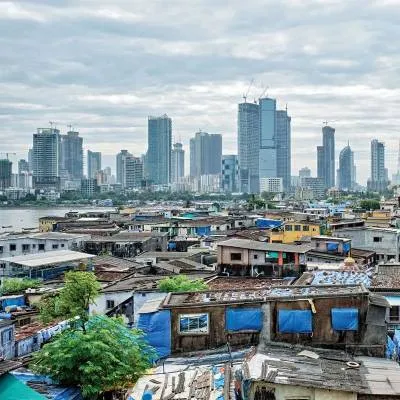
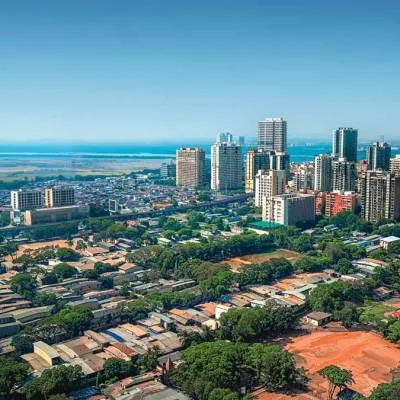
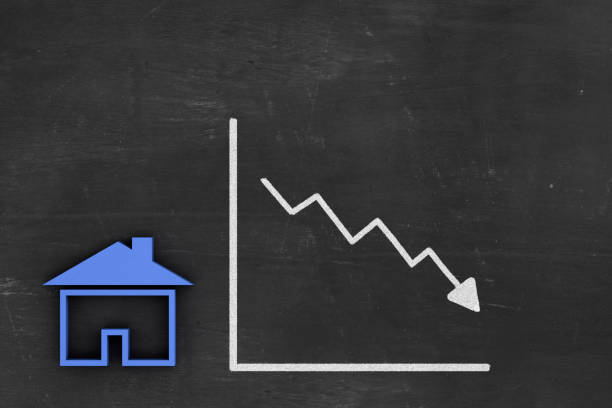
According to Knight Frank India, registration of residential properties in the Mumbai municipal area fell 26% on an annual basis to 7,732 units due to movement restrictions imposed to halt the spread of the Covid-19 pandemic.

In January 2022, 7,732 units were registered for sale in the Municipal Corporation of Greater Mumbai (MCGM) region, compared to 10,412 units in the same month last year.

The consultant said in a statement that this is due to difficulties encountered in the first half of the month as a result of the third wave of Covid, which slowed movement.

In January 2022, the government received Rs 453 crore in revenue from property registrations.

While registrations were down 26% year over year in January 2021, revenues were up 48%. According to Knight Frank, the same period last year had a lower stamp duty rate window of 3% and was not as badly affected by Covid.

The consultant went on to say that the January 2022 registration volume is higher than any January before Covid.

According to Shishir Baijal, Chairman & Managing Director, Knight Frank India, caution over the third wave has influenced sentiments, which is reflected in January registrations.

The Union Budget and Monetary Policy actions, according to Baijal, will be critical in catalysing latent demand over the next fortnight.

Knight Frank's data on housing property registration covers both primary and secondary (resale) markets.

According to a report published earlier this month, registration of homes in the Mumbai Metropolitan Region (MMR) increased by 53% last year to 2.42 lakh units, owing to Maharashtra's reduction in stamp duty and low-interest rates on home loans. Confederation of Real Estate Developers' Associations of India-Maharashtra Chamber of Housing Industry (CREDAI-MCHI), real estate consultant Colliers India, and data analytics firm CRE Matrix collaborated on the report.

Residential property registrations totaled 2,42,061 units in 2021, compared to 1,58,327 units in 2020 and 2,01,613 units in 2019.

Abhishek Kiran Gupta, CEO of CRE Matrix, said the value of property registered was Rs 1.9 lakh crore last year, Rs 1.12 lakh crore in 2020, and Rs 1.29 lakh crore in 2019.

Image Source

Also read: Mumbai's housing registrations surge 53% to 2.42 lakh units in 2021

According to Knight Frank India, registration of residential properties in the Mumbai municipal area fell 26% on an annual basis to 7,732 units due to movement restrictions imposed to halt the spread of the Covid-19 pandemic. In January 2022, 7,732 units were registered for sale in the Municipal Corporation of Greater Mumbai (MCGM) region, compared to 10,412 units in the same month last year. The consultant said in a statement that this is due to difficulties encountered in the first half of the month as a result of the third wave of Covid, which slowed movement. In January 2022, the government received Rs 453 crore in revenue from property registrations. While registrations were down 26% year over year in January 2021, revenues were up 48%. According to Knight Frank, the same period last year had a lower stamp duty rate window of 3% and was not as badly affected by Covid. The consultant went on to say that the January 2022 registration volume is higher than any January before Covid. According to Shishir Baijal, Chairman & Managing Director, Knight Frank India, caution over the third wave has influenced sentiments, which is reflected in January registrations. The Union Budget and Monetary Policy actions, according to Baijal, will be critical in catalysing latent demand over the next fortnight. Knight Frank's data on housing property registration covers both primary and secondary (resale) markets. According to a report published earlier this month, registration of homes in the Mumbai Metropolitan Region (MMR) increased by 53% last year to 2.42 lakh units, owing to Maharashtra's reduction in stamp duty and low-interest rates on home loans. Confederation of Real Estate Developers' Associations of India-Maharashtra Chamber of Housing Industry (CREDAI-MCHI), real estate consultant Colliers India, and data analytics firm CRE Matrix collaborated on the report. Residential property registrations totaled 2,42,061 units in 2021, compared to 1,58,327 units in 2020 and 2,01,613 units in 2019. Abhishek Kiran Gupta, CEO of CRE Matrix, said the value of property registered was Rs 1.9 lakh crore last year, Rs 1.12 lakh crore in 2020, and Rs 1.29 lakh crore in 2019. Image Source Also read: Mumbai's housing registrations surge 53% to 2.42 lakh units in 2021

Next Story
Infrastructure Urban

Implementation Status of Jal Jeevan Mission

Since August 2019 the Government has implemented Jal Jeevan Mission to provide assured potable water through household tap connections in rural India. At the start of the mission only 32.3 million (mn) rural households, representing 16.7 per cent, were reported to have tap water connections. States and union territories have reported that 125.8 mn additional rural households have since been provided with tap connections. As a result, of about 193.6 mn rural households roughly 158.2 mn, or 81.71 per cent, are reported to have tap water supply at home.\n\nThe State, district and village level st..

Next Story
Infrastructure Urban

Jal Jeevan Mission Reaches Eighty One Per Cent Rural Coverage

The Government reported substantial progress under the Jal Jeevan Mission, launched in August 2019 to provide tap water to every rural household. At launch only 32.3 million (mn) rural households had tap connections and states and Union territories reported provision of 125.8 mn additional households by March 2026. Consequently, out of about 193.6 mn rural households around 158.2 mn, or 81.71 per cent, are reported to have tap water at home. The Finance Minister announced extension of the mission until 2028 in the 2025-26 budget speech. The Swachh Bharat Mission Grameen, launched in October 20..

Next Story
Infrastructure Urban

Empowering Local Governance for Sustainable Rural Water Supply

The Ministry of Jal Shakti has aligned the Jal Jeevan Mission (JJM) with the 73rd Amendment to strengthen village level planning and community ownership of water supply. Gram Panchayats, village water and sanitation committees and Pani Samitis are to plan, implement, manage and maintain piped water systems, with gram sabha processes formalising handover and oversight. Implementation support agencies including non government organisations, community based organisations and self help groups have been empanelled to train local committees and promote women participation. Under JJM, the department ..

Advertisement

Subscribe to Our Newsletter

Get daily newsletters around different themes from Construction world.

STAY CONNECTED

Advertisement

Advertisement

Advertisement