Q2 2023 sees NCR’s unsold housing stock drop 21%
Real Estate

Q2 2023 sees NCR’s unsold housing stock drop 21%

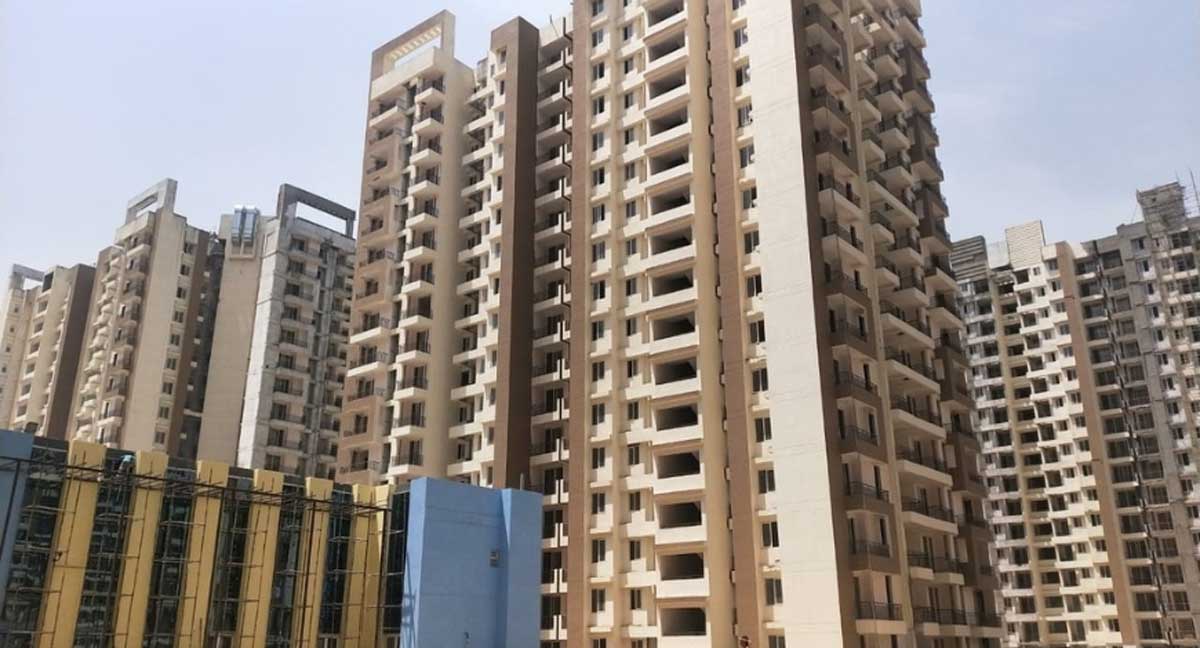
Residential property sales in Delhi-NCR skyrocketed since the pandemic and there are no indications of this momentum slackening in the second quarter of 2023. Unsold housing inventory in the region declined by over 21% annually – the steepest drop of available stock among all the top seven cities, finds Anarock Research data.

Delhi-NCR’s unsold stock as of Q2 2023-end stands at approximately 1,10,990 units against approximately 1,41,250 units in the corresponding period of 2022.

Inventory of mid-segment homes priced (between Rs 40 – 80 lakh) saw the highest yearly decline of 25% – from approximately 47,160 units at Q2 2022-end to approximately 35,450 units by Q2 2023-end.

Within the affordable housing category, unsold stock reduced by over 24% annually from approximately 51,680 units in Q2 2022 to approximately 39,400 units as of Q2 2023-end. Interestingly, new supply in this budget segment reduced by 19% annually – from approximately 1,570 units by Q2 2022-end to approximately 1,260 units as of Q2 2023. The moderated new supply pipeline helped developers clear their previous stock.

Premium homes witnessed an over 23% y-o-y decline in unsold stock. As on Q2 2022-end, approximately 22,940 units were unsold in NCR in this budget category; by Q2 2023-end, it had declined to approximately 17,650 units.


    Source: ANAROCK Research

Luxury homes (priced Rs 1.5 crore – Rs 2.5 crore) saw unsold inventory reduce from approx. 11,920 units by Q2 2022-end to approximately 9,610 units by Q2 2023-end – 19% annual drop.

Ultra-luxury homes (priced >Rs 2.5 crore), on the other hand, saw available inventory rise by 18% annually amid increased new supply in this category over the last few quarters. The current stock of ultra-luxury housing in NCR currently stands at approximately 8,880 units – the lowest among all budget categories.

Santhosh Kumar, Vice Chairman, Anarock Group, says, “The increasing sway of branded developers has been steadily boosting homebuyer confidence in Delhi-NCR. Before the pandemic, this market was being burdened by excessive supply from unbranded players. Today, despite very healthy sales, branded developers are carefully calibrating the supply pipeline. Besides the yearly drop, if we consider pre-Covid Q2 2019-end period, there has been a 39% reduction in overall unsold housing stock in the whole of NCR.”

Currently, Gurgaon has the maximum unsold stock of approx. 46,650 units, followed by Greater Noida with approximately 23,170 units. Noida has the least unsold stock of approx. 8,440 units as of Q2 2023-end.

In terms of yearly change, Noida saw the maximum yearly decline of 31%, followed by Ghaziabad (26%), Gurgaon (21%) and Greater Noida (20%). Gurgaon took the third spot since it saw a lot of new supply added in the last 1-2 years.

Residential property sales in Delhi-NCR skyrocketed since the pandemic and there are no indications of this momentum slackening in the second quarter of 2023. Unsold housing inventory in the region declined by over 21% annually – the steepest drop of available stock among all the top seven cities, finds Anarock Research data.Delhi-NCR’s unsold stock as of Q2 2023-end stands at approximately 1,10,990 units against approximately 1,41,250 units in the corresponding period of 2022.Inventory of mid-segment homes priced (between Rs 40 – 80 lakh) saw the highest yearly decline of 25% – from approximately 47,160 units at Q2 2022-end to approximately 35,450 units by Q2 2023-end.Within the affordable housing category, unsold stock reduced by over 24% annually from approximately 51,680 units in Q2 2022 to approximately 39,400 units as of Q2 2023-end. Interestingly, new supply in this budget segment reduced by 19% annually – from approximately 1,570 units by Q2 2022-end to approximately 1,260 units as of Q2 2023. The moderated new supply pipeline helped developers clear their previous stock.Premium homes witnessed an over 23% y-o-y decline in unsold stock. As on Q2 2022-end, approximately 22,940 units were unsold in NCR in this budget category; by Q2 2023-end, it had declined to approximately 17,650 units.    Source: ANAROCK ResearchLuxury homes (priced Rs 1.5 crore – Rs 2.5 crore) saw unsold inventory reduce from approx. 11,920 units by Q2 2022-end to approximately 9,610 units by Q2 2023-end – 19% annual drop.Ultra-luxury homes (priced >Rs 2.5 crore), on the other hand, saw available inventory rise by 18% annually amid increased new supply in this category over the last few quarters. The current stock of ultra-luxury housing in NCR currently stands at approximately 8,880 units – the lowest among all budget categories.Santhosh Kumar, Vice Chairman, Anarock Group, says, “The increasing sway of branded developers has been steadily boosting homebuyer confidence in Delhi-NCR. Before the pandemic, this market was being burdened by excessive supply from unbranded players. Today, despite very healthy sales, branded developers are carefully calibrating the supply pipeline. Besides the yearly drop, if we consider pre-Covid Q2 2019-end period, there has been a 39% reduction in overall unsold housing stock in the whole of NCR.”Currently, Gurgaon has the maximum unsold stock of approx. 46,650 units, followed by Greater Noida with approximately 23,170 units. Noida has the least unsold stock of approx. 8,440 units as of Q2 2023-end.In terms of yearly change, Noida saw the maximum yearly decline of 31%, followed by Ghaziabad (26%), Gurgaon (21%) and Greater Noida (20%). Gurgaon took the third spot since it saw a lot of new supply added in the last 1-2 years.

Next Story
Infrastructure Urban

Implementation Status of Jal Jeevan Mission

Since August 2019 the Government has implemented Jal Jeevan Mission to provide assured potable water through household tap connections in rural India. At the start of the mission only 32.3 million (mn) rural households, representing 16.7 per cent, were reported to have tap water connections. States and union territories have reported that 125.8 mn additional rural households have since been provided with tap connections. As a result, of about 193.6 mn rural households roughly 158.2 mn, or 81.71 per cent, are reported to have tap water supply at home.\n\nThe State, district and village level st..

Next Story
Infrastructure Urban

Jal Jeevan Mission Reaches Eighty One Per Cent Rural Coverage

The Government reported substantial progress under the Jal Jeevan Mission, launched in August 2019 to provide tap water to every rural household. At launch only 32.3 million (mn) rural households had tap connections and states and Union territories reported provision of 125.8 mn additional households by March 2026. Consequently, out of about 193.6 mn rural households around 158.2 mn, or 81.71 per cent, are reported to have tap water at home. The Finance Minister announced extension of the mission until 2028 in the 2025-26 budget speech. The Swachh Bharat Mission Grameen, launched in October 20..

Next Story
Infrastructure Urban

Empowering Local Governance for Sustainable Rural Water Supply

The Ministry of Jal Shakti has aligned the Jal Jeevan Mission (JJM) with the 73rd Amendment to strengthen village level planning and community ownership of water supply. Gram Panchayats, village water and sanitation committees and Pani Samitis are to plan, implement, manage and maintain piped water systems, with gram sabha processes formalising handover and oversight. Implementation support agencies including non government organisations, community based organisations and self help groups have been empanelled to train local committees and promote women participation. Under JJM, the department ..

Advertisement

Subscribe to Our Newsletter

Get daily newsletters around different themes from Construction world.

STAY CONNECTED

Advertisement

Advertisement

Advertisement