REITable office assets expected to be valued at $ 35 billion: JLL India
Rising transparency levels, progressive regulations and a robust commercial real-estate market in the country have made the segment a favourite among institutional investors, according to report. Investors have allocated nearly $ 17 billion in the form of direct investments as well as through entity-level investments from 2006-2019 in the office space.
The report states that with 33 per cent share of REITable space, Bengaluru will provide the highest REITable assets totalling 97.8 million sq ft, worth $ 10.7 billion, followed by Mumbai with a 17 per cent share of total REITable space at 49.7 million sq ft worth $ 8.6 billion. Delhi-NCR and Chennai follow Mumbai, both in terms of space and value. With large and quality IT spaces occupied by prominent global players, Bengaluru will be the most favoured city for REITable assets.
Emergence of new office-space occupiers, continued demand from IT and ITES, global inhouse centres along with the BFSI space are expected to keep demand for office space robust over the next three years. According to Dr Samantak Das, Chief Economist and Head of Research, JLL India, “Indian office space holds the potential to offer an additional 101 million sq ft for REIT from new office completion expected during 2019-21. This could help upcoming REITs to gain from an upside in rentals as well as capital appreciation. While the strong institutional flow of funds into real estate will continue to provide initial momentum towards the growth of REITs in India, active participation of insurance and pension funds in future will help the long-term growth of the market.”

India has already seen its first REIT listing from the Embassy Group-Blackstone JV in March this year. With a portfolio of 32.6 million sq ft, the listing is also Asia’s largest in terms of area. “Growing knowledge of REITs will ensure acceptability and gradual increase of interest from retail investors,” reckons Ramesh Nair, CEO and Country Head, JLL India. “We expect to see other asset classes like retail, warehousing and hospitality also offering REITable assets in time to come.”
Related Stories



Gold Stories



Embraer to Acquire 51 Per Cent Stake in Mahindra Aerospace Arm
Brazilian aerospace major Embraer will acquire a 51 per cent equity stake in Novavayu Aerospace, a step-down subsidiary of Mahindra and Mahindra, under an Investment Agreement notified by the automobile company in an exchange filing. The transaction will give Embraer control of the aerospace business. Following completion of the acquisition, Novavayu Aerospace will cease to be a wholly owned subsidiary and become an associate of Mahindra Defence Systems, which is a step-down wholly owned subsidiary of Mahindra and Mahindra. The agreement is expected to be completed on or before December 1. Mah..
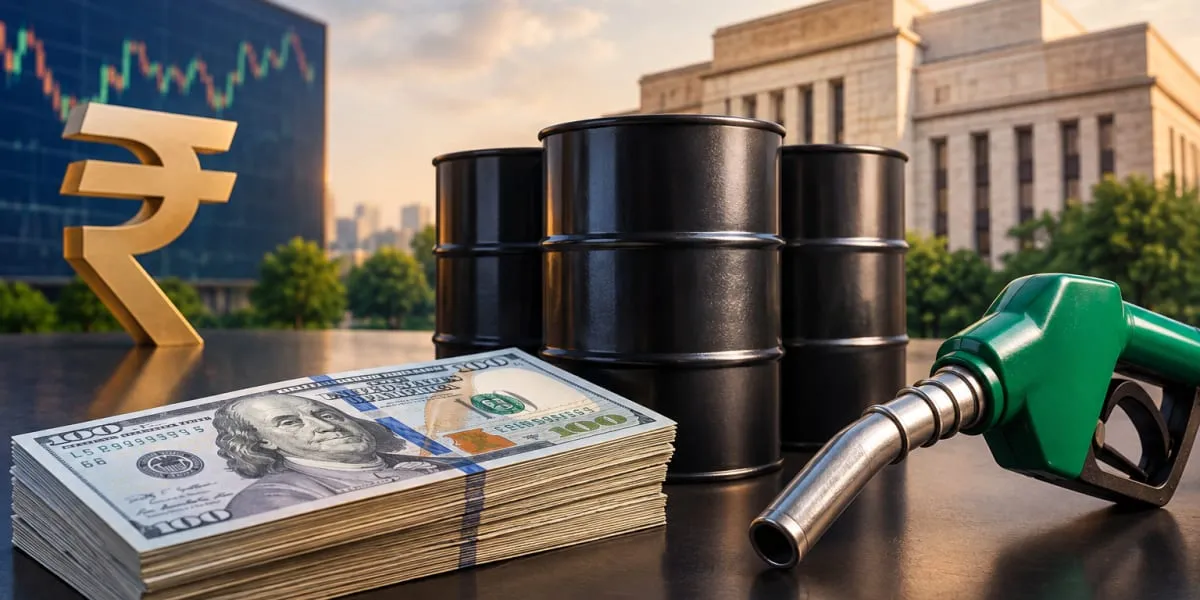
RBI Opens Special Dollar Window for Three State-Run OMCs
The Reserve Bank of India (RBI) has opened a special facility to meet the entire daily US dollar requirements of three public sector oil marketing companies (OMCs), in a move aimed at easing pressure on the Indian rupee. The facility will take effect on October 12, 2026, and remain available until further notice. Indian Oil Corporation, Hindustan Petroleum Corporation and Bharat Petroleum Corporation are eligible to use the arrangement. Under the facility, the RBI will sell US dollars to the three companies through designated banks, allowing them to meet their oil-import payments without sourc..
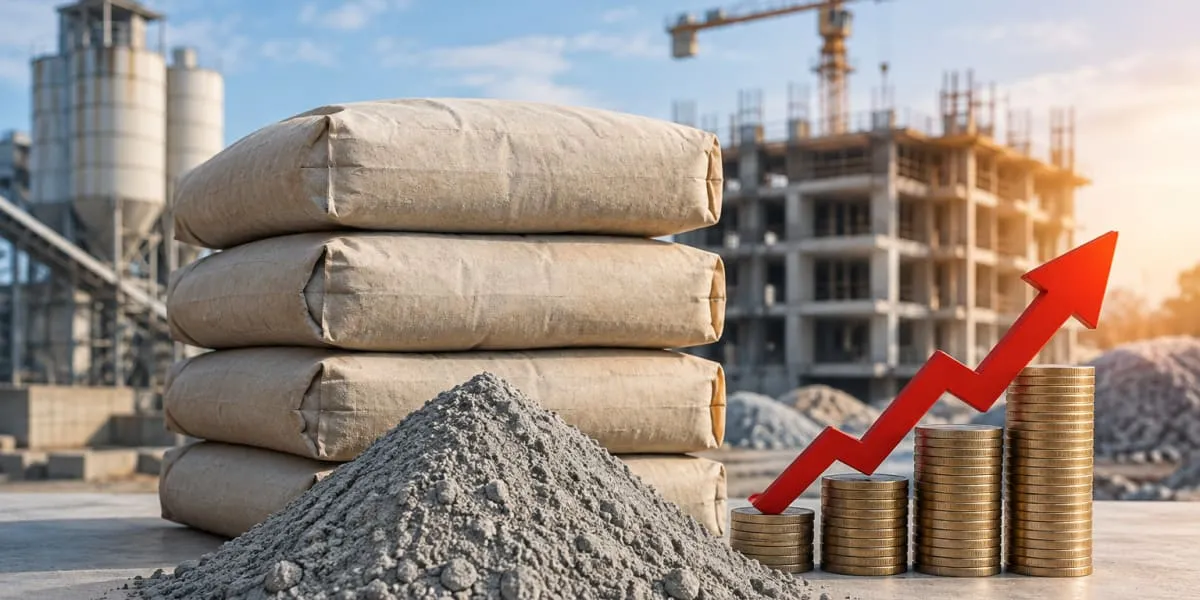
Cement Prices Likely to Rise Rs. 10-15 per Bag from Mid-October
Cement manufacturers in India are likely to raise prices by Rs. 10-15 per bag from mid-October, as they seek to offset persistent increases in power and fuel costs. Emkay Research said its channel checks indicated a high probability of an increase from October 12, supported by the start of the busy construction season and favourable demand-supply conditions. The sector had implemented similar rate adjustments of Rs. 10-15 per bag during the first quarter, but the increases were insufficient to cover higher operating costs. Prices also softened during July and August because of the monsoon, wid..
Related Articles
Latest Updates