


Reviving Lothal: Ancient Dockyard Embraces Modernity
Real Estate

Reviving Lothal: Ancient Dockyard Embraces Modernity

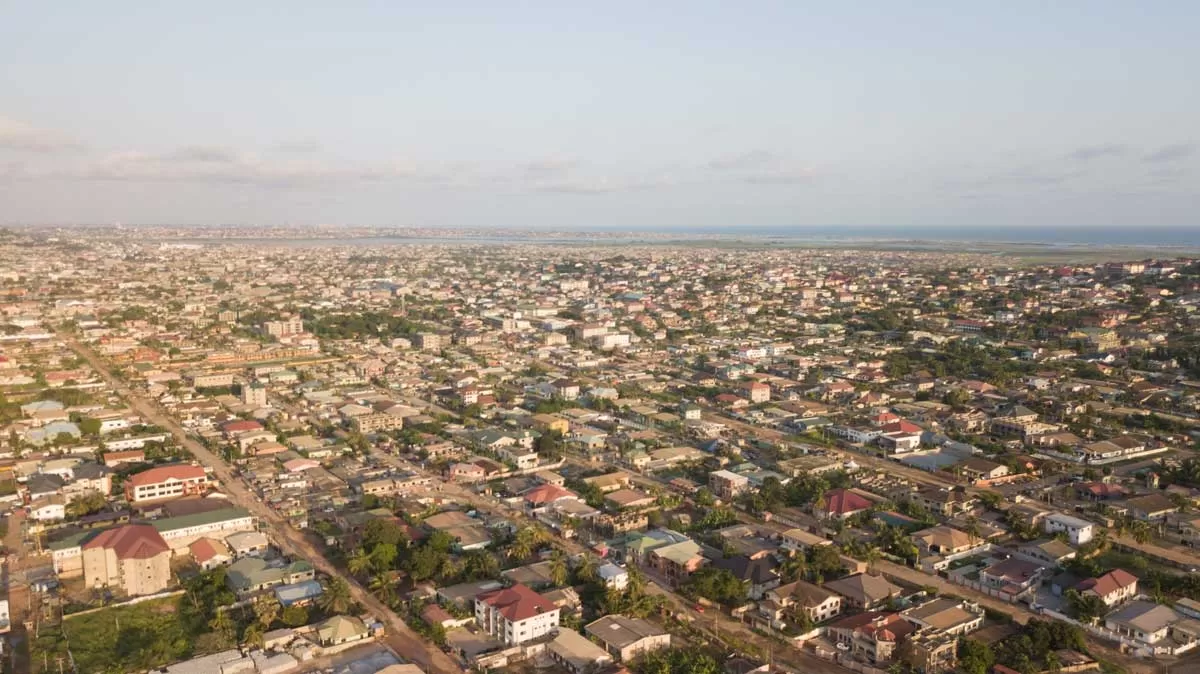
Lothal, an ancient city nestled in the heart of Gujarat, India, has long been revered for its significance in the great Indus Valley Civilization. Now, in the 21st century, this historical gem is poised to undergo a transformative journey towards modernity, while preserving its rich heritage.

The recent unveiling of a comprehensive town development plan marks a significant milestone in the revitalization of Lothal. This ambitious initiative aims to seamlessly blend the ancient charm of the city with contemporary urban amenities, creating a harmonious fusion of past and present.

At the heart of the plan lies the preservation and restoration of Lothal's iconic dockyard, a marvel of ancient engineering that once facilitated vibrant maritime trade in the region. By leveraging cutting-edge technology and innovative design, authorities envision transforming the dockyard into a bustling cultural hub and tourist attraction, showcasing the ingenuity of our ancestors to a global audience.

But the revitalization efforts extend far beyond the confines of the dockyard. The town development plan encompasses a range of initiatives aimed at enhancing infrastructure, promoting sustainable practices, and improving the quality of life for Lothal's residents. From modernizing transportation networks to upgrading healthcare and educational facilities, every aspect of urban living is being meticulously addressed to ensure a prosperous future for generations to come.

Crucially, community engagement lies at the core of the revitalization process. Local stakeholders, historians, and residents are actively involved in shaping the future of their beloved city, ensuring that the development plan is not just a top-down imposition but a collaborative endeavour that reflects the aspirations and values of the people.

As Lothal embraces the challenges and opportunities of the 21st century, it serves as a poignant reminder of the enduring legacy of the Indus Valley Civilization. Through the preservation of its ancient heritage and the embrace of modernity, this historic city stands as a testament to the resilience and adaptability of human civilization across millennia.

Lothal, an ancient city nestled in the heart of Gujarat, India, has long been revered for its significance in the great Indus Valley Civilization. Now, in the 21st century, this historical gem is poised to undergo a transformative journey towards modernity, while preserving its rich heritage. The recent unveiling of a comprehensive town development plan marks a significant milestone in the revitalization of Lothal. This ambitious initiative aims to seamlessly blend the ancient charm of the city with contemporary urban amenities, creating a harmonious fusion of past and present. At the heart of the plan lies the preservation and restoration of Lothal's iconic dockyard, a marvel of ancient engineering that once facilitated vibrant maritime trade in the region. By leveraging cutting-edge technology and innovative design, authorities envision transforming the dockyard into a bustling cultural hub and tourist attraction, showcasing the ingenuity of our ancestors to a global audience. But the revitalization efforts extend far beyond the confines of the dockyard. The town development plan encompasses a range of initiatives aimed at enhancing infrastructure, promoting sustainable practices, and improving the quality of life for Lothal's residents. From modernizing transportation networks to upgrading healthcare and educational facilities, every aspect of urban living is being meticulously addressed to ensure a prosperous future for generations to come. Crucially, community engagement lies at the core of the revitalization process. Local stakeholders, historians, and residents are actively involved in shaping the future of their beloved city, ensuring that the development plan is not just a top-down imposition but a collaborative endeavour that reflects the aspirations and values of the people. As Lothal embraces the challenges and opportunities of the 21st century, it serves as a poignant reminder of the enduring legacy of the Indus Valley Civilization. Through the preservation of its ancient heritage and the embrace of modernity, this historic city stands as a testament to the resilience and adaptability of human civilization across millennia.

Related Stories

Gold Stories
Next Story
Infrastructure Urban

EMO Energy and e-Sprinto to Deploy 8,000 Electric Scooters

EMO Energy has announced a partnership with electric two-wheeler maker e-Sprinto to deploy 8,000 electric scooters across India this financial year. The rollout will include both low-speed and high-speed models and will be phased across several cities. The scooters will be aimed at quick-commerce and last-mile delivery operations where uptime and energy efficiency are prioritised. EMO Energy said the scooters will use its patented ZenPac liquid-cooled battery platform with active thermal management, battery intelligence and energy optimisation to improve reliability and performance. ZenPac con..

Next Story
Infrastructure Energy

Octillion Opens Third EV Battery Plant in India

Octillion Power Systems has opened its third manufacturing facility in Halol, Gujarat, adding production capacity as demand for electric vehicle battery systems grows across passenger, commercial and public transport segments. The facility covers more than 13,000 square metres and was converted from an empty structure into an operational battery manufacturing plant in less than eight months. At full capacity the Gujarat plant will manufacture more than 48,000 battery systems annually, representing over three GWh of energy storage capacity. With the addition of the Halol facility Octillion's co..

Next Story
Real Estate

Land Reforms Could Unlock Urban Affordable Housing

Former cabinet secretary and NITI Aayog member Rajeev Gauba said India’s urban housing shortage could be tackled by unlocking 10 million (mn) vacant homes and using excess unutilised land held by public sector undertakings (PSUs). He said land availability lay at the heart of the problem and estimated that land accounted for as much as 50 to 70 per cent of total project cost. He urged states to waive land?use change fees and exempt stamp duty on land and transactions linked to affordable housing. He noted that urban population was projected to rise from 500 million to nearly 900 million by 2..

Advertisement

Subscribe to Our Newsletter

Get daily newsletters around different themes from Construction world.

STAY CONNECTED

Advertisement