




SC Demands Data on Haryana's Affordable Housing Projects
Real Estate

SC Demands Data on Haryana's Affordable Housing Projects

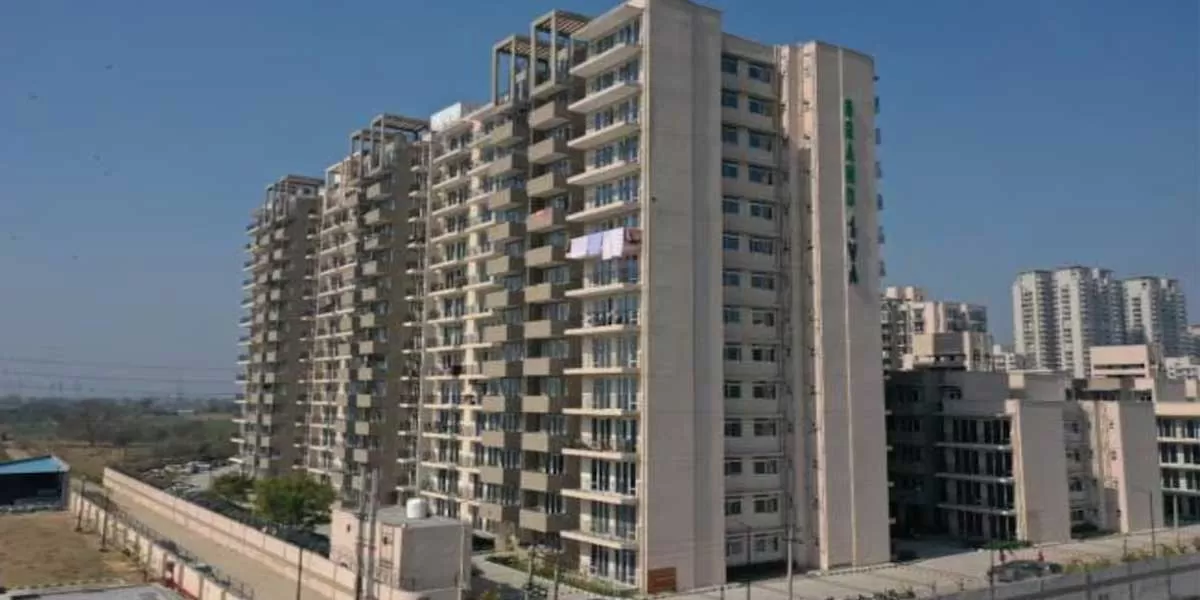
The Supreme Court of India has requested detailed information regarding affordable housing projects in Haryana over the past decade. This directive comes as part of an ongoing investigation into the state's compliance with regulations and commitments related to affordable housing.

Haryana, known for its rapid urbanisation and infrastructure development, has been under scrutiny to ensure that its affordable housing schemes align with national policies and objectives. The court's request aims to assess the number and scale of projects approved, their implementation status, and the extent to which they have met the housing needs of economically weaker sections.

The Supreme Court's inquiry is a response to concerns about the effectiveness of affordable housing schemes and whether the benefits have reached the intended beneficiaries. By obtaining this information, the court seeks to verify if the projects have adhered to the prescribed guidelines and whether there have been any discrepancies or lapses in their execution.

This move is part of a broader effort to enhance transparency and accountability in the housing sector. The outcome of this inquiry could influence future policies and regulatory measures, ensuring that affordable housing initiatives are more effectively managed and aligned with the needs of the population.

Haryana's response to the Supreme Court?s request will be closely watched, as it may set a precedent for similar investigations in other states and impact the overall approach to affordable housing in India.

The Supreme Court of India has requested detailed information regarding affordable housing projects in Haryana over the past decade. This directive comes as part of an ongoing investigation into the state's compliance with regulations and commitments related to affordable housing. Haryana, known for its rapid urbanisation and infrastructure development, has been under scrutiny to ensure that its affordable housing schemes align with national policies and objectives. The court's request aims to assess the number and scale of projects approved, their implementation status, and the extent to which they have met the housing needs of economically weaker sections. The Supreme Court's inquiry is a response to concerns about the effectiveness of affordable housing schemes and whether the benefits have reached the intended beneficiaries. By obtaining this information, the court seeks to verify if the projects have adhered to the prescribed guidelines and whether there have been any discrepancies or lapses in their execution. This move is part of a broader effort to enhance transparency and accountability in the housing sector. The outcome of this inquiry could influence future policies and regulatory measures, ensuring that affordable housing initiatives are more effectively managed and aligned with the needs of the population. Haryana's response to the Supreme Court?s request will be closely watched, as it may set a precedent for similar investigations in other states and impact the overall approach to affordable housing in India.

Next Story
Infrastructure Urban

Implementation Status of Jal Jeevan Mission

Since August 2019 the Government has implemented Jal Jeevan Mission to provide assured potable water through household tap connections in rural India. At the start of the mission only 32.3 million (mn) rural households, representing 16.7 per cent, were reported to have tap water connections. States and union territories have reported that 125.8 mn additional rural households have since been provided with tap connections. As a result, of about 193.6 mn rural households roughly 158.2 mn, or 81.71 per cent, are reported to have tap water supply at home.\n\nThe State, district and village level st..

Next Story
Infrastructure Urban

Jal Jeevan Mission Reaches Eighty One Per Cent Rural Coverage

The Government reported substantial progress under the Jal Jeevan Mission, launched in August 2019 to provide tap water to every rural household. At launch only 32.3 million (mn) rural households had tap connections and states and Union territories reported provision of 125.8 mn additional households by March 2026. Consequently, out of about 193.6 mn rural households around 158.2 mn, or 81.71 per cent, are reported to have tap water at home. The Finance Minister announced extension of the mission until 2028 in the 2025-26 budget speech. The Swachh Bharat Mission Grameen, launched in October 20..

Next Story
Infrastructure Urban

Empowering Local Governance for Sustainable Rural Water Supply

The Ministry of Jal Shakti has aligned the Jal Jeevan Mission (JJM) with the 73rd Amendment to strengthen village level planning and community ownership of water supply. Gram Panchayats, village water and sanitation committees and Pani Samitis are to plan, implement, manage and maintain piped water systems, with gram sabha processes formalising handover and oversight. Implementation support agencies including non government organisations, community based organisations and self help groups have been empanelled to train local committees and promote women participation. Under JJM, the department ..

Advertisement

Subscribe to Our Newsletter

Get daily newsletters around different themes from Construction world.

STAY CONNECTED

Advertisement

Advertisement

Advertisement