Solutions in stone
Technology

Solutions in stone

Stone, the preferred raw material for construction of ancient architectural marvels, is yet to gain acceptance for its versatility in the Indian construction sector.

Natural stone has been used as a building material since the inception of construction. The foundation for all ancient structure and artefacts were stone. In fact, all the seven wonders of the ancient world were built entirely with natural stone. Over the centuries, several developments have taken place in construction and cheaper and more convenient alternatives of stone have become available.

The greatest development of stone as a building material took place during the second half of the 20th century. It was then that the traditional architectural use of blocks of rock as structural elements in buildings was transformed into a superficial one, as thin decorative sheets of stone with no structural function started to be employed in buildings.

Variable uses

With the vast variety of stone available in India and abroad, in the form of granite, marble, sandstone, quartzite, slate, limestone or even semi-precious stones, it is not possible to follow a 'one-solution-fits-all' approach. Different types of stones are suitable for façades, floors, carving, inlays, jaalis, etc, in view of different climatic conditions. It can now safely be said that, till date, one has only scratched the surface of what can only be achieved with stone. The effort is to constantly experiment with different materials in different circumstances to be able to offer permanent and unique solutions to clients. In spite of the presence of architectural masterpieces carved from stone serving as a testimony, awareness about stone in India is still at its inception. World over, Indian material is considered among the best with hundreds of varieties available all over the country.

To understand and explain the versatility of stone for construction activities, its usage is segregated into seven main categories: architectural/ masonry; bath design/tubs/basins; façades/building frontage; hardscape; internal stone/mosaics/inlays; stone furniture/accessories; sculpture/ lattice/relief work.

Architectural/masonry: The craft of stone masonry has existed since the dawn of civilisation. Before steel and concrete, stone was used as building blocks for any construction and has been used to build several monuments, temples and cities in many cultures. Stone can be used as an architectural element and not just as a decorative element. Solid stone pillar, boundary walls, retaining walls, pylons using solid stone blocks add volume and character to any project.

Bath designs/tubs/basins: In recent times, bathrooms have acquired the status of a 'haven' of sorts. Monolithic stone tubs and basins carved out of blocks of stones, opulent mosaic carpets, decorative inlay, gold-leafed murals, crystal basins, gemstone bath tubs and inlayed ceilings are some of the bathroom whims that have been catered to. Quality and finish are, of course, a given. Every installation in the bathroom needs to be protected from water seepages to ensure that the haven continues to be in pristine condition.

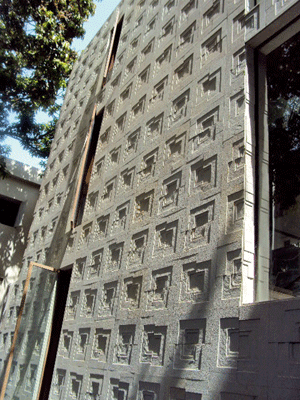
Fatade/building frontage: Since time immemorial, architecture has always utilised natural stone. It has been the foremost choice for building frontage and façades. It brings with it timeless possibilities and extremely low maintenance over time.

Hardscape: Hardscape, also called hard landscaping, encompasses all the non-plant design elements of the landscaped area. All the cobbled walkways, walls, patios, fences, water bodies, sculptures, planters, and rock constitute the hardscape in residential and hospitality projects. Hardscaping represent the foundations and forms the anchor of the landscaping plans.

Internal stone/mosaics/inlays: Marble, travertine, onyx, slate, sand-stone and granite can be used for internal application that ranges from elaborate pietra dura, mosaics and inlays to rustic limestone and slate interiors. The stonework is recom-mended keeping in mind the budget, aesthetics and the project conditions. Stone furniture/accessories: Natural stone and/or semi precious materials when used together with timber, steel or glass can make interesting objects. From a coffee table with inlay stone, petrified wood bar stools, gemstone chandeliers or bar counter etc, the range is exhaustive. A vast array of materials and techniques can be used to create objects of one's choice. Sculpture/lattice/relief work: Artwork, be it in the form of sculp-tures, murals and/or lattice, is an integral part of design. Not only does it add meaning and substance to a project, but it also helps to convey the aesthetic sense. Thanks to collaboration with national and internationally acclaimed architects and designers, such products find their way into projects all over the world.

Cost factor

Stone, when compared to other building materials, is relatively costly. The cost of sourcing stones is not as expensive as carving and its customisation possibilities. Working on it is more difficult than with other building materials. A few factors make it costlier like weight and scarcity of good grades. Stone has numerous customisation possibilities; moreover, it has innumerable benefits. Some of it includes better life span, low maintenance cost, it is eco-friendly and blends well with the surrounding due to its natural look and feel.

About the author:

Ruchika Grover, Director, Odyssey: Stone Architecture & Design has been involved in some ingenious hardscape projects like Pune's Hyatt Regency; The Ritz Carlton, Bengaluru; New Delhi Airport-T3; Kempinski, Shahdara; a 32-foot-high pylon for a bio-diversity park in Hyderabad, etc.

To share your insight on interesting construction materials, write in at feedback@ASAPPmedia.com

Stone, the preferred raw material for construction of ancient architectural marvels, is yet to gain acceptance for its versatility in the Indian construction sector. Natural stone has been used as a building material since the inception of construction. The foundation for all ancient structure and artefacts were stone. In fact, all the seven wonders of the ancient world were built entirely with natural stone. Over the centuries, several developments have taken place in construction and cheaper and more convenient alternatives of stone have become available. The greatest development of stone as a building material took place during the second half of the 20th century. It was then that the traditional architectural use of blocks of rock as structural elements in buildings was transformed into a superficial one, as thin decorative sheets of stone with no structural function started to be employed in buildings. Variable uses With the vast variety of stone available in India and abroad, in the form of granite, marble, sandstone, quartzite, slate, limestone or even semi-precious stones, it is not possible to follow a 'one-solution-fits-all' approach. Different types of stones are suitable for façades, floors, carving, inlays, jaalis, etc, in view of different climatic conditions. It can now safely be said that, till date, one has only scratched the surface of what can only be achieved with stone. The effort is to constantly experiment with different materials in different circumstances to be able to offer permanent and unique solutions to clients. In spite of the presence of architectural masterpieces carved from stone serving as a testimony, awareness about stone in India is still at its inception. World over, Indian material is considered among the best with hundreds of varieties available all over the country. To understand and explain the versatility of stone for construction activities, its usage is segregated into seven main categories: architectural/ masonry; bath design/tubs/basins; façades/building frontage; hardscape; internal stone/mosaics/inlays; stone furniture/accessories; sculpture/ lattice/relief work. Architectural/masonry: The craft of stone masonry has existed since the dawn of civilisation. Before steel and concrete, stone was used as building blocks for any construction and has been used to build several monuments, temples and cities in many cultures. Stone can be used as an architectural element and not just as a decorative element. Solid stone pillar, boundary walls, retaining walls, pylons using solid stone blocks add volume and character to any project. Bath designs/tubs/basins: In recent times, bathrooms have acquired the status of a 'haven' of sorts. Monolithic stone tubs and basins carved out of blocks of stones, opulent mosaic carpets, decorative inlay, gold-leafed murals, crystal basins, gemstone bath tubs and inlayed ceilings are some of the bathroom whims that have been catered to. Quality and finish are, of course, a given. Every installation in the bathroom needs to be protected from water seepages to ensure that the haven continues to be in pristine condition. Fatade/building frontage: Since time immemorial, architecture has always utilised natural stone. It has been the foremost choice for building frontage and façades. It brings with it timeless possibilities and extremely low maintenance over time. Hardscape: Hardscape, also called hard landscaping, encompasses all the non-plant design elements of the landscaped area. All the cobbled walkways, walls, patios, fences, water bodies, sculptures, planters, and rock constitute the hardscape in residential and hospitality projects. Hardscaping represent the foundations and forms the anchor of the landscaping plans. Internal stone/mosaics/inlays: Marble, travertine, onyx, slate, sand-stone and granite can be used for internal application that ranges from elaborate pietra dura, mosaics and inlays to rustic limestone and slate interiors. The stonework is recom-mended keeping in mind the budget, aesthetics and the project conditions. Stone furniture/accessories: Natural stone and/or semi precious materials when used together with timber, steel or glass can make interesting objects. From a coffee table with inlay stone, petrified wood bar stools, gemstone chandeliers or bar counter etc, the range is exhaustive. A vast array of materials and techniques can be used to create objects of one's choice. Sculpture/lattice/relief work: Artwork, be it in the form of sculp-tures, murals and/or lattice, is an integral part of design. Not only does it add meaning and substance to a project, but it also helps to convey the aesthetic sense. Thanks to collaboration with national and internationally acclaimed architects and designers, such products find their way into projects all over the world. Cost factor Stone, when compared to other building materials, is relatively costly. The cost of sourcing stones is not as expensive as carving and its customisation possibilities. Working on it is more difficult than with other building materials. A few factors make it costlier like weight and scarcity of good grades. Stone has numerous customisation possibilities; moreover, it has innumerable benefits. Some of it includes better life span, low maintenance cost, it is eco-friendly and blends well with the surrounding due to its natural look and feel. About the author: Ruchika Grover, Director, Odyssey: Stone Architecture & Design has been involved in some ingenious hardscape projects like Pune's Hyatt Regency; The Ritz Carlton, Bengaluru; New Delhi Airport-T3; Kempinski, Shahdara; a 32-foot-high pylon for a bio-diversity park in Hyderabad, etc. To share your insight on interesting construction materials, write in at feedback@ASAPPmedia.com

Next Story
Infrastructure Energy

Cabinet Clears Rs 25.85 Billion Small Hydro Scheme

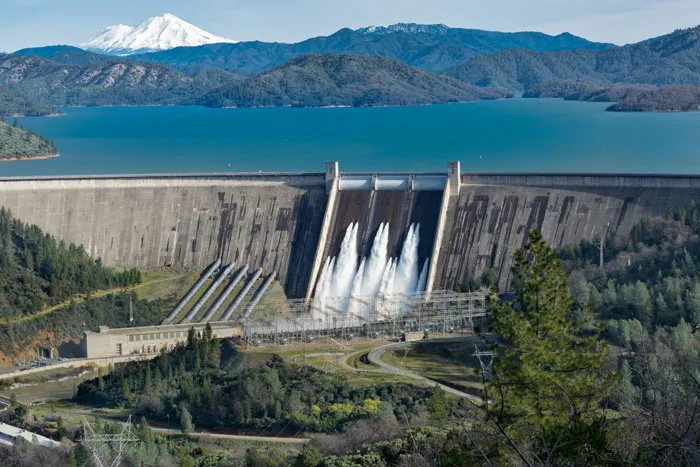
The Union Cabinet, chaired by Prime Minister Shri Narendra Modi, has approved the Small Hydro Power (SHP) Development Scheme for FY 2026–27 to FY 2030–31, with an outlay of Rs 25.85 billion to support installation of around 1,500 MW capacity.The scheme targets projects of 1–25 MW across states, with a focus on hilly and North Eastern regions. Central financial assistance of Rs 36 million per MW or 30 per cent of project cost (capped at Rs 300 million per project) will be provided for North Eastern and border districts. For other states, support will be Rs 24 million per MW or 20 per cent..

Next Story
Products

Panasonic Launches SIP Video Intercom System

Panasonic Life Solutions India has launched its VL-VQ Series SIP-based IP Video Intercom System, aimed at enhancing security and access management across modern residential developments. Designed for apartments, gated communities and large housing projects, the system offers a three-layered security framework integrating residences, building entrances and central security operations. It combines door stations, lobby display units, room monitors, guard stations and central management software into a unified platform, enabling real-time monitoring and communication. The system supports multipl..

Next Story
Real Estate

Mindspace REIT Tops Global Environmental Rankings

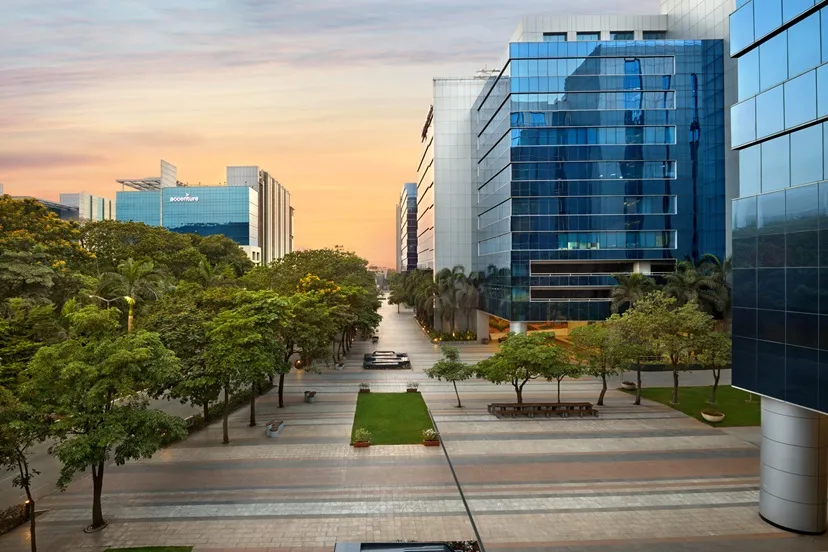
Mindspace Business Parks REIT has secured the No. 1 global rank for Environmental Performance in the 2025 S&P Global Corporate Sustainability Assessment (CSA) and has been recognised among the top 10 per cent of global performers in the S&P Global Sustainability Yearbook 2026. The REIT achieved the highest Environmental Dimension score of 84, ranking first among 379 global real estate companies. It has also been elevated from a Sustainability Yearbook Member to Industry Distinction 2026, reflecting its position among the top-performing global peers. Mindspace REIT recorded an overall..

Advertisement

Subscribe to Our Newsletter

Get daily newsletters around different themes from Construction world.

STAY CONNECTED

Advertisement

Advertisement

Advertisement