Art That Makes Us Pause in a Technology-Driven World
Technology

Art That Makes Us Pause in a Technology-Driven World

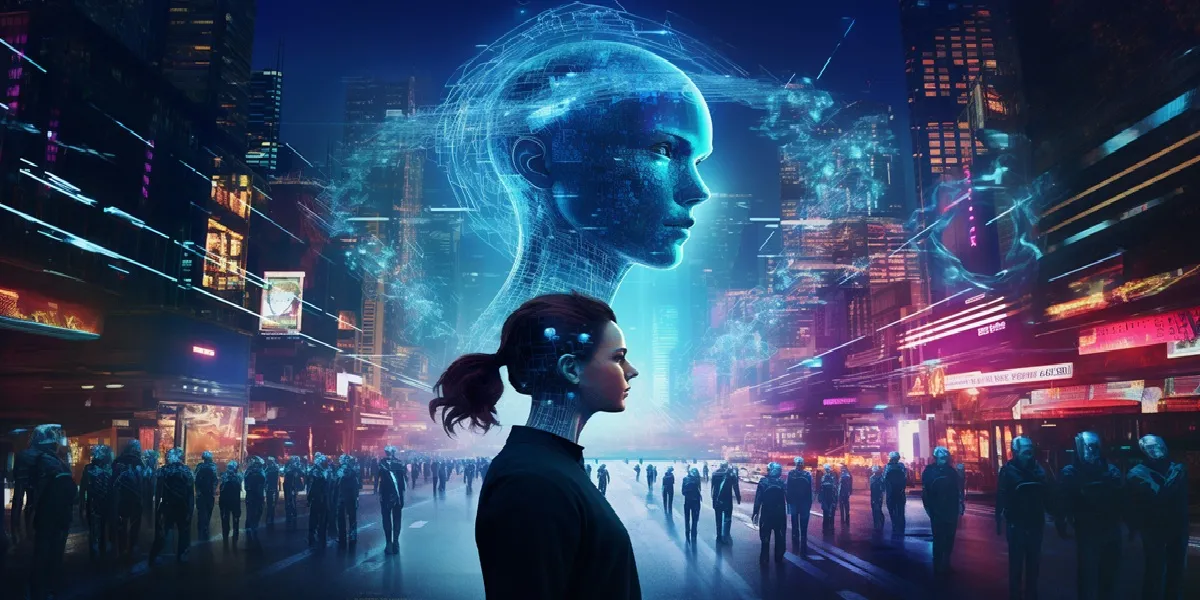
In a world obsessed with speed, progress and constant movement, few moments invite genuine pause. As technology accelerates and innovation reshapes everyday life, the deeper human cost of this relentless forward motion often goes unnoticed. It is this invisible weight — emotional, psychological and existential — that artist Arzan Khambatta seeks to confront through his work.

Presented at ACESTREET during ACETECH Mumbai 2025, Khambatta’s installation The Face of the Future, created using Blum’s TANDEM runners, is not a glossy vision of what lies ahead. Instead, it is an unsettling reflection of where humanity stands today — suspended between past and future, familiarity and discomfort. The form appears almost human, yet not quite, evoking a tension that encourages viewers to stop and reflect rather than admire passively.

Trained initially as an architect, Khambatta’s journey evolved beyond conventional design into a more introspective artistic practice. Working with discarded industrial materials — wood, metal and scrap — he developed what he calls ‘SCRAPTURES’: raw, imperfect forms that tell deeply human stories. His work resists polish and perfection, choosing instead honesty and emotional resonance.

Speaking about the installation, Khambatta says his intent was to use Blum’s precisely engineered, hidden TANDEM runners as part of a larger narrative. For him, the artwork represents the paradox of modern existence — rapid technological evolution coupled with an ongoing search for meaning. The piece does not offer solutions, but raises urgent questions about how technology is reshaping human identity.

Neelam Shah, Head of Marketing at Blum, notes that such collaborations reflect the brand’s long-standing engagement with architects and designers. She highlights that working with Khambatta opened a deeper dialogue on the evolving relationship between humans and technology, adding that the installation has resonated strongly with audiences for its quiet yet powerful message.

Through this collaboration, art becomes more than an exhibit. It becomes a moment of interruption — a reminder to slow down, reflect and ask what progress truly means.

In a world obsessed with speed, progress and constant movement, few moments invite genuine pause. As technology accelerates and innovation reshapes everyday life, the deeper human cost of this relentless forward motion often goes unnoticed. It is this invisible weight — emotional, psychological and existential — that artist Arzan Khambatta seeks to confront through his work. Presented at ACESTREET during ACETECH Mumbai 2025, Khambatta’s installation The Face of the Future, created using Blum’s TANDEM runners, is not a glossy vision of what lies ahead. Instead, it is an unsettling reflection of where humanity stands today — suspended between past and future, familiarity and discomfort. The form appears almost human, yet not quite, evoking a tension that encourages viewers to stop and reflect rather than admire passively. Trained initially as an architect, Khambatta’s journey evolved beyond conventional design into a more introspective artistic practice. Working with discarded industrial materials — wood, metal and scrap — he developed what he calls ‘SCRAPTURES’: raw, imperfect forms that tell deeply human stories. His work resists polish and perfection, choosing instead honesty and emotional resonance. Speaking about the installation, Khambatta says his intent was to use Blum’s precisely engineered, hidden TANDEM runners as part of a larger narrative. For him, the artwork represents the paradox of modern existence — rapid technological evolution coupled with an ongoing search for meaning. The piece does not offer solutions, but raises urgent questions about how technology is reshaping human identity. Neelam Shah, Head of Marketing at Blum, notes that such collaborations reflect the brand’s long-standing engagement with architects and designers. She highlights that working with Khambatta opened a deeper dialogue on the evolving relationship between humans and technology, adding that the installation has resonated strongly with audiences for its quiet yet powerful message. Through this collaboration, art becomes more than an exhibit. It becomes a moment of interruption — a reminder to slow down, reflect and ask what progress truly means.

Next Story
Infrastructure Urban

Runaya–ECKART JV Launches India’s First Gas-Atomised Al Unit

Runaya Metsource and Germany-based ECKART have announced the launch of their joint venture facility, Runaya Eckart Aluminium Powders Private Limited (REL), in Jharsuguda, Odisha, marking the establishment of India’s first plant for manufacturing green, spherical gas-atomised aluminium powders.The facility will produce high-precision aluminium powders for advanced applications across aviation, aerospace, space exploration, solar technology, process catalyst industries and effect pigments. These fine spherical powders, which were previously fully imported into India, represent a significant mi..

Next Story
Infrastructure Urban

Tamil Nadu Extends 100% EV Road Tax Exemption Till 2027

The Tamil Nadu government has extended the 100% road tax exemption for battery-operated electric vehicles for another two years, reinforcing its efforts to sustain momentum in EV adoption across the state.According to a government order issued on December 29, the tax exemption has been extended for all categories of battery-operated vehicles, including both transport and non-transport vehicles, from January 1, 2026, to December 31, 2027. The move ensures continuity of fiscal incentives as electric vehicle penetration continues to rise in the state.The decision follows sustained representations..

Next Story
Infrastructure Energy

Coal India Arm BCCL Targets 54 MT Output, Rs 200 Bn by FY30

Bharat Coking Coal (BCCL), a subsidiary of Coal India, plans to scale up its coking coal production to 54 million tonnes by FY 2029–30, with the bulk of incremental supplies earmarked for the steel sector. The expansion is expected to drive the company’s revenue close to Rs 200 billion by the end of the decade, senior officials said.The production push aligns with India’s broader objective of achieving a national coking coal output target of 140 million tonnes to reduce dependence on imports. BCCL currently produces around 40.5 million tonnes of coking coal and contributes nearly 58.5 pe..

Advertisement

Subscribe to Our Newsletter

Get daily newsletters around different themes from Construction world.

STAY CONNECTED

Advertisement

Advertisement

Advertisement

Advertisement

Open In App