+
BorgWarner Secures First 48V Electric Cross Differential Programme
Technology

BorgWarner Secures First 48V Electric Cross Differential Programme

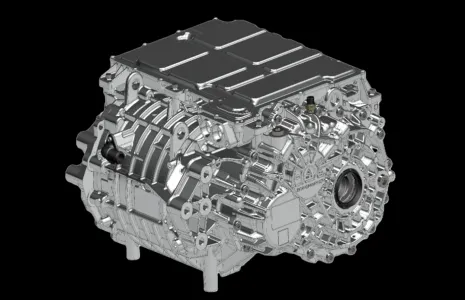
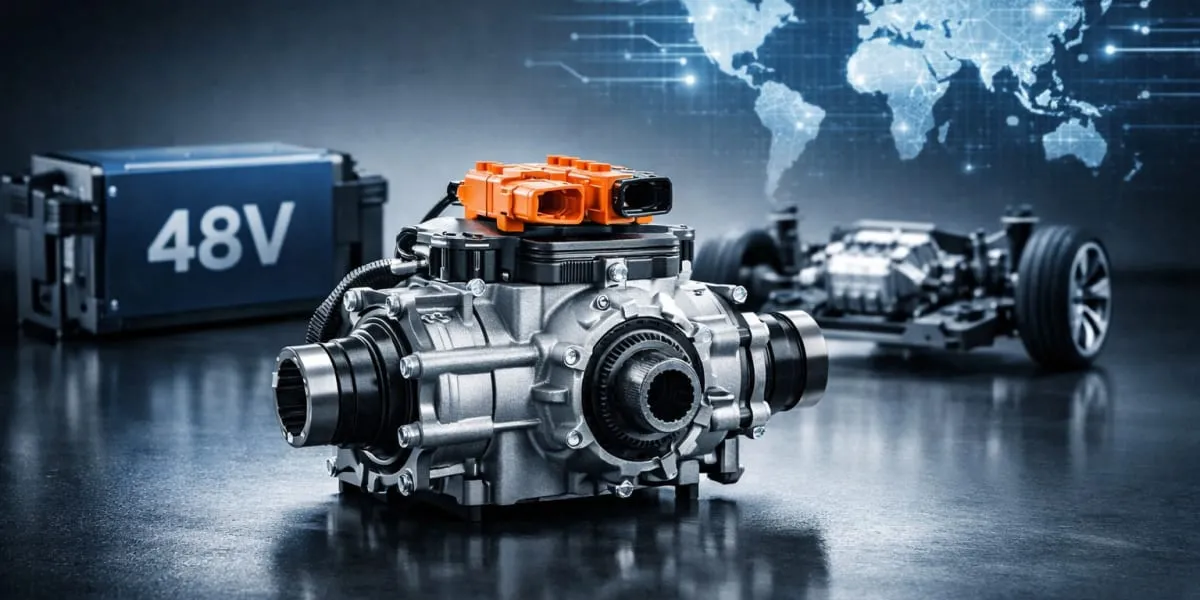
BorgWarner has secured a new electric cross differential (eXD) programme with a leading Chinese original equipment manufacturer, marking the company’s first 48V eXD application in its global portfolio. The award expands BorgWarner’s torque management capabilities for electric vehicles and embeds the system within the customer’s 48V electrical and electronic architecture. The programme underscores the company’s strategy to adapt proven driveline technologies for emerging electrified architectures.\n\nA 48V electrical architecture offers advantages including improved energy efficiency, optimised wiring and component costs, and support for higher-power applications. BorgWarner’s electric cross differential is designed to integrate with such architectures and to dynamically control torque distribution between wheels, enhancing handling and traction while maintaining a balance between performance, safety and system efficiency. The solution aims to deliver these benefits across a broad range of vehicle operating conditions.\n\nCompany leadership indicated that securing this programme demonstrates the ability to adapt torque management technologies to new electrical architectures and that leveraging a 48V system is expected to improve energy utilisation, system efficiency and reliability, thereby elevating the driving experience for electric vehicle users. The eXD is engineered to adjust slip control in real time based on driving conditions and vehicle status, supporting stability during high-speed travel, rapid acceleration and sharp turns. Engineers have tuned the system to provide consistent handling across varying road friction levels.\n\nOn dry roads, higher friction enables greater grip, which allows the eXD to transfer more torque to outer wheels to assist cornering performance. In low-friction environments such as ice, snow or mud the system is intended to rapidly detect wheel slip and to limit torque transfer to slipping wheels, reallocating drive force to wheels with better traction to maintain control. The approach is presented as balancing performance, safety and efficiency while meeting customer integration requirements.\n\nFor more than 130 years BorgWarner has positioned itself as a global product leader focused on mobility innovation and sustainability. The company intends to bring the new 48V eXD solution to market in line with industry trends towards more integrated and efficient E/E architectures.

BorgWarner has secured a new electric cross differential (eXD) programme with a leading Chinese original equipment manufacturer, marking the company’s first 48V eXD application in its global portfolio. The award expands BorgWarner’s torque management capabilities for electric vehicles and embeds the system within the customer’s 48V electrical and electronic architecture. The programme underscores the company’s strategy to adapt proven driveline technologies for emerging electrified architectures.\n\nA 48V electrical architecture offers advantages including improved energy efficiency, optimised wiring and component costs, and support for higher-power applications. BorgWarner’s electric cross differential is designed to integrate with such architectures and to dynamically control torque distribution between wheels, enhancing handling and traction while maintaining a balance between performance, safety and system efficiency. The solution aims to deliver these benefits across a broad range of vehicle operating conditions.\n\nCompany leadership indicated that securing this programme demonstrates the ability to adapt torque management technologies to new electrical architectures and that leveraging a 48V system is expected to improve energy utilisation, system efficiency and reliability, thereby elevating the driving experience for electric vehicle users. The eXD is engineered to adjust slip control in real time based on driving conditions and vehicle status, supporting stability during high-speed travel, rapid acceleration and sharp turns. Engineers have tuned the system to provide consistent handling across varying road friction levels.\n\nOn dry roads, higher friction enables greater grip, which allows the eXD to transfer more torque to outer wheels to assist cornering performance. In low-friction environments such as ice, snow or mud the system is intended to rapidly detect wheel slip and to limit torque transfer to slipping wheels, reallocating drive force to wheels with better traction to maintain control. The approach is presented as balancing performance, safety and efficiency while meeting customer integration requirements.\n\nFor more than 130 years BorgWarner has positioned itself as a global product leader focused on mobility innovation and sustainability. The company intends to bring the new 48V eXD solution to market in line with industry trends towards more integrated and efficient E/E architectures.

Next Story
Building Material

NITI Aayog Unveils Cement Decarbonisation Roadmap

NITI Aayog has released a sector-specific decarbonisation roadmap for cement as part of three green transition reports covering cement, aluminium and MSMEs. The report projects cement production rising to around 2,100 million tonnes by 2070 from 391 million tonnes in 2023, while targeting a reduction in carbon intensity to 0.09–0.13 tCO₂e per tonne. It recommends clinker substitution, refuse-derived fuels, CCUS adoption and carbon trading mechanisms to enable deep decarbonisation. ..

Next Story
Technology

Genesys Launches Advanced GeoRadar System

Genesys International Corporation has launched an advanced Ground Penetrating Radar (GPR) solution from IDS GeoRadar for underground utility mapping in India. The system uses patented Equalised Scrambling Technology (EST) and Wide/Multi-Array Antenna Technology to deliver high-resolution three-dimensional imaging of subsurface infrastructure. The technology enables the detection and mapping of buried assets such as water pipelines, sewer networks, telecom cables and power lines. By providing detailed subsurface insights, the system aims to help urban authorities and infrastructure developers ..

Next Story
Infrastructure Urban

Hindustan Zinc Partners Virginia Tech to Boost Silver Recovery

Hindustan Zinc Limited recently signed a Memorandum of Understanding (MoU) with Virginia Tech to advance research aimed at improving silver recovery across its lead–zinc (Pb–Zn) concentrators. The collaboration will focus on refining flotation techniques and optimising reagent usage to improve concentrate quality and operational efficiency at processing plants.Virginia Tech, based in Blacksburg, Virginia, is globally recognised for its expertise in mining engineering, mineral processing and applied metallurgical research. Through this partnership, Hindustan Zinc will leverage global resear..

Advertisement

Subscribe to Our Newsletter

Get daily newsletters around different themes from Construction world.

STAY CONNECTED

Advertisement

Advertisement

Advertisement

Open In App