AERA Unlikely To Extend 25 Per Cent Airport Charges Waiver
ECONOMY & POLICY

AERA Unlikely To Extend 25 Per Cent Airport Charges Waiver

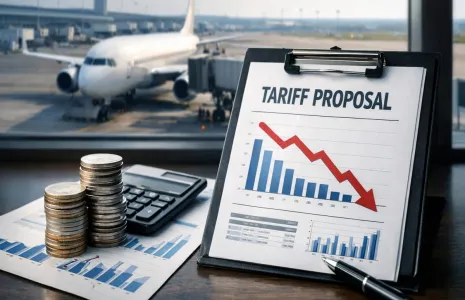
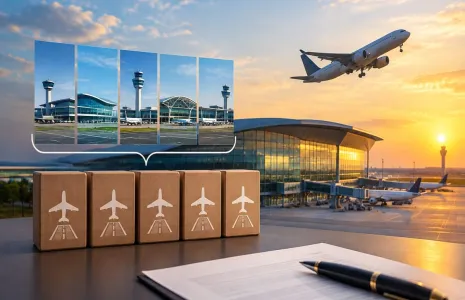
The Airports Economic Regulatory Authority (AERA) is unlikely to extend the 25 per cent waiver on landing and parking charges for domestic airlines at major Indian airports, signalling the end of a temporary relief measure. The concession ran for a three-month period and was intended to ease immediate financial pressure on carriers. With no fresh directive from the regulator, airport operators are set to return to the prevailing aeronautical tariff structure.

The waiver was announced on seven April following directions from the Ministry of Civil Aviation and reduced elements of the aeronautical tariff for all domestic flights. The measure was introduced in response to cost pressures stemming from the West Asia conflict and rising aviation fuel prices that had increased carriers' operating expenses. Landing and parking charges form a component of airport revenue and are payable by airlines for use of runway and apron infrastructure.

Industry sources indicated that airport operators had not received communication from AERA about extending the reduction, suggesting that the concession has lapsed. The reinstatement of full landing and parking charges is expected to marginally increase airlines' operating costs at a time when carriers are navigating multiple cost pressures. Aviation analysts noted that these charges account for only a portion of an airline's cost structure, and any effect on fares may therefore be limited.

Airport operators had expressed concern over revenue loss during the relief period and will seek to restore tariff recoveries as the regulatory concession ends. The move comes amid robust passenger demand in India's aviation sector, with carriers balancing short-term profitability and longer-term network and fleet expansion plans. Regulators, airports and airlines will likely continue to monitor cost trends and market conditions as stakeholders assess the most sustainable path forward.

The Airports Economic Regulatory Authority (AERA) is unlikely to extend the 25 per cent waiver on landing and parking charges for domestic airlines at major Indian airports, signalling the end of a temporary relief measure. The concession ran for a three-month period and was intended to ease immediate financial pressure on carriers. With no fresh directive from the regulator, airport operators are set to return to the prevailing aeronautical tariff structure. The waiver was announced on seven April following directions from the Ministry of Civil Aviation and reduced elements of the aeronautical tariff for all domestic flights. The measure was introduced in response to cost pressures stemming from the West Asia conflict and rising aviation fuel prices that had increased carriers' operating expenses. Landing and parking charges form a component of airport revenue and are payable by airlines for use of runway and apron infrastructure. Industry sources indicated that airport operators had not received communication from AERA about extending the reduction, suggesting that the concession has lapsed. The reinstatement of full landing and parking charges is expected to marginally increase airlines' operating costs at a time when carriers are navigating multiple cost pressures. Aviation analysts noted that these charges account for only a portion of an airline's cost structure, and any effect on fares may therefore be limited. Airport operators had expressed concern over revenue loss during the relief period and will seek to restore tariff recoveries as the regulatory concession ends. The move comes amid robust passenger demand in India's aviation sector, with carriers balancing short-term profitability and longer-term network and fleet expansion plans. Regulators, airports and airlines will likely continue to monitor cost trends and market conditions as stakeholders assess the most sustainable path forward.

Related Stories

Gold Stories

Next Story
Resources

Schindler named among Forbes’ World’s Best Employers 2026

Schindler has been named among Forbes’ World’s Best Employers 2026, a global ranking recognising companies for their workplace environments.Compiled by Forbes in partnership with Statista, the ranking is based on independent employee feedback, including whether employees would recommend their organisation to friends and family.The company said the recognition reflected its focus on creating a workplace where employees can develop their expertise and build careers. ..
Next Story
Infrastructure Urban

India needs an export-execution mindset: Vishesh Jain

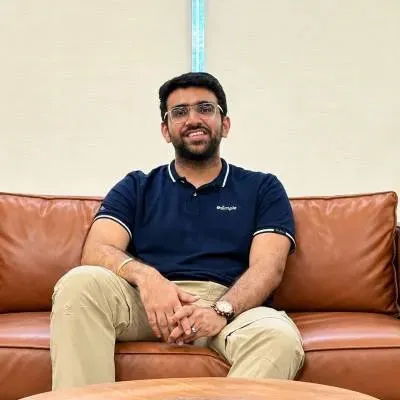
Interview with Vishesh Jain, Founder & CEO, EximpleWhat gaps in India’s global trade ecosystem led you to build Eximple, and what problem did you see businesses struggling with most?Eximple came out of a problem that all three founders had seen from different choke points in the trade ecosystem. India has millions of MSMEs and manufacturers, and many of them can make products that are genuinely competitive on quality. Yet only a small fraction is able to build meaningful international businesses. In our experience, the gap is usually not manufacturing capability; it is the ability to exe..

Next Story
Building Material

Nuvoco reports 13.5% revenue growth in Q2 FY27

Nuvoco Vistas Corp. Ltd. reported consolidated revenue of Rs 27.9 billion for Q2 FY27, up 13.5% year on year. Cement sales volume rose 9% to 4.7 million tonnes (MMT), while EBITDA increased 11% to Rs 4.11 billion.The company said it began its cement operations in 2014 with a 2.3 MMT per annum (MMTPA) operation at Nimbol. It now aims to reach 35 MMTPA of cement capacity by FY28, nearly 15 times its initial capacity. Its portfolio spans cement, ready-mix concrete and modern building materials.On sustainability and cost efficiency, Nuvoco partnered with CleanMax for a 46.4 MW wind-solar hybrid re..

Advertisement

Subscribe to Our Newsletter

Get daily newsletters around different themes from Construction world.

STAY CONNECTED

Advertisement

SPECIAL OFFER
QR Code