Andhra Pradesh Assembly Reconvenes To Debate Key State Issues
ECONOMY & POLICY

Andhra Pradesh Assembly Reconvenes To Debate Key State Issues

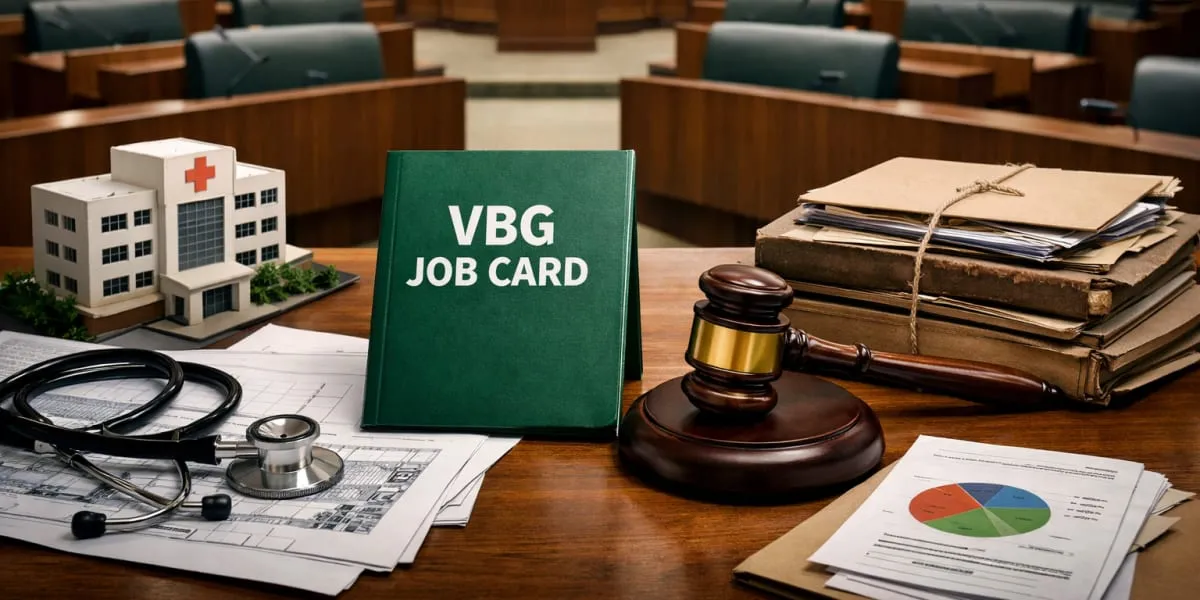
The Andhra Pradesh Assembly will reconvene today after a four-day recess, beginning with a Question and Answer session at nine am. Members are expected to raise concerns over VBG Ramji job cards, the proposal to establish medical colleges under the Public Private Partnership (PPP) model, and several pending Revenue Department cases. The initial sitting highlights priorities on employment documentation, healthcare infrastructure and land administration. Observers anticipate rigorous exchanges as procedural matters give way to substantive debate.

Questions will address unauthorised constructions in Simhachalam panchagramas and proposals for industrial development in Visakhapatnam. Members will press for explanations regarding the status of MSME parks in Konaseema and support measures for paddy farmers facing cultivation challenges. Attention will also fall on infrastructure shortages in new housing colonies and mechanisms for timely service delivery.

Clarifications are expected on the future of the Visakhapatnam Steel Plant and on bill payments for pucca houses constructed between 2014 and 2019. A wider discussion on departmental demands and grants will follow as ministries present their financial needs and policy priorities. The exchange promises to be robust with the possibility of heated exchanges between government and opposition members over allocation and accountability.

The Speaker is likely to manage proceedings to ensure the agenda is taken up within scheduled sittings while allowing time for detailed scrutiny of items on notice. Several members are expected to seek short statements and ministerial responses to outstanding petitions and constituency grievances. Stakeholders and residents of affected areas will be watching closely for commitments on timelines and implementation plans, particularly in relation to housing bill settlements and industrial project clearances, and related local services. The outcome of the debates could shape administrative priorities and influence public perceptions of governance ahead of forthcoming policy cycles, and may also affect budgetary allocations and implementation timetables across departments.

The Andhra Pradesh Assembly will reconvene today after a four-day recess, beginning with a Question and Answer session at nine am. Members are expected to raise concerns over VBG Ramji job cards, the proposal to establish medical colleges under the Public Private Partnership (PPP) model, and several pending Revenue Department cases. The initial sitting highlights priorities on employment documentation, healthcare infrastructure and land administration. Observers anticipate rigorous exchanges as procedural matters give way to substantive debate. Questions will address unauthorised constructions in Simhachalam panchagramas and proposals for industrial development in Visakhapatnam. Members will press for explanations regarding the status of MSME parks in Konaseema and support measures for paddy farmers facing cultivation challenges. Attention will also fall on infrastructure shortages in new housing colonies and mechanisms for timely service delivery. Clarifications are expected on the future of the Visakhapatnam Steel Plant and on bill payments for pucca houses constructed between 2014 and 2019. A wider discussion on departmental demands and grants will follow as ministries present their financial needs and policy priorities. The exchange promises to be robust with the possibility of heated exchanges between government and opposition members over allocation and accountability. The Speaker is likely to manage proceedings to ensure the agenda is taken up within scheduled sittings while allowing time for detailed scrutiny of items on notice. Several members are expected to seek short statements and ministerial responses to outstanding petitions and constituency grievances. Stakeholders and residents of affected areas will be watching closely for commitments on timelines and implementation plans, particularly in relation to housing bill settlements and industrial project clearances, and related local services. The outcome of the debates could shape administrative priorities and influence public perceptions of governance ahead of forthcoming policy cycles, and may also affect budgetary allocations and implementation timetables across departments.

Next Story
Equipment

India CE Industry Ends FY26 on a Steady Recovery Path

India’s construction equipment industry closed FY26 on a stable note, reflecting measured resilience and gradually improving momentum. Total sales in Q4 FY26 rose 4 per cent year on year to 42,906 units, extending the recovery seen over the past two years.Domestic demand for the full year remained under pressure, declining 7 per cent, but exports provided strong support. Overall exports grew 31 per cent, while non-OEM exports increased 13 per cent, highlighting sustained demand from overseas markets.March 2026 further underlined the recovery, with sales rising 6 per cent year on year and 13 ..

Next Story
Infrastructure Urban

Leaders Question FIR Against Anil Agarwal

Several industry and public figures have questioned the FIR filed against Anil Agarwal following the boiler accident in Chhattisgarh, while also expressing condolences over the loss of lives and calling for a thorough investigation.Naveen Jindal said the tragedy was deeply painful and stressed that compensation, livelihood support for affected families and a fair probe were essential. He also questioned naming Agarwal in the FIR before completion of the investigation.Kiran Bedi urged restraint, saying investigations should focus on learning lessons and strengthening systems rather than prematu..

Next Story
Infrastructure Urban

Tier 2, 3 Cities Drive 66% of New D2C Orders

Tier 2 and Tier 3 cities accounted for 66 per cent of new direct-to-consumer (D2C) orders in FY 2026, according to a new analysis by Unicommerce.The report said buyers from smaller cities also contributed 60 per cent of incremental gross merchandise value (GMV) in FY 2026 compared with FY 2025, highlighting rising demand beyond metro markets.Overall, India’s D2C segment recorded strong growth, with order volumes rising 33 per cent and GMV increasing 32 per cent year-on-year. The findings are based on more than 400 million order items processed through brand websites on Unicommerce’s Uniwar..

Advertisement

Subscribe to Our Newsletter

Get daily newsletters around different themes from Construction world.

STAY CONNECTED

Advertisement

Advertisement

Advertisement