



Aramco Cuts Heavy Crude Supply to Asia
ECONOMY & POLICY

Aramco Cuts Heavy Crude Supply to Asia

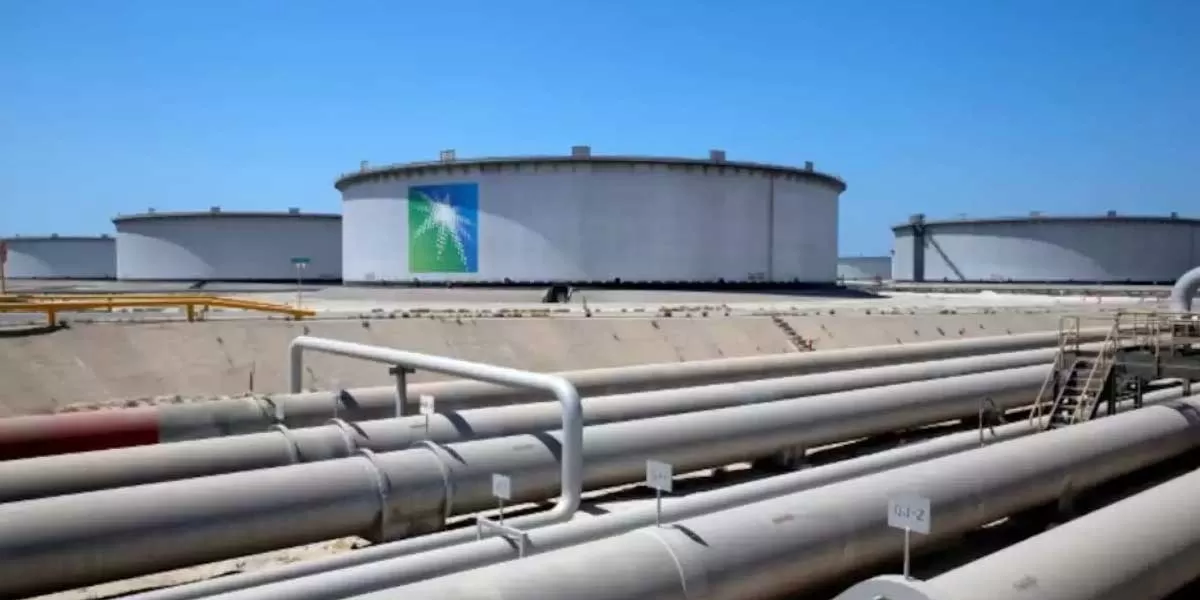
Aramco, the Saudi Arabian oil giant, has reduced its supply of heavy crude to buyers in Asia, signaling adjustments in its allocation strategy. While most Asian buyers will still receive their full volumes for April, the reduction in heavy crude supply reflects changing market dynamics and Aramco's efforts to manage its crude oil exports effectively.

The decision to trim heavy crude supply comes amidst evolving demand patterns and operational considerations. Aramco's move indicates a strategic response to factors such as refinery preferences, shipping logistics, and global market trends impacting the demand for heavier grades of crude oil.

Despite the reduction in heavy crude supply, most Asian buyers are expected to receive their contracted volumes for April, maintaining continuity in their supply arrangements with Aramco. This underscores the company's commitment to fulfilling its contractual obligations and maintaining stable relationships with its customers in the region.

The adjustment in heavy crude supply also highlights the flexibility and adaptability of major oil producers like Aramco in responding to market dynamics and optimizing their portfolio of crude oil offerings. By fine-tuning its supply allocations, Aramco aims to ensure a balanced distribution of crude grades that aligns with the evolving needs of its customers and maximizes value across its global customer base.

Overall, while the reduction in heavy crude supply may impact certain buyers in Asia, Aramco's proactive approach demonstrates its responsiveness to changing market conditions and commitment to maintaining a reliable and efficient supply chain for its customers worldwide.

Aramco, the Saudi Arabian oil giant, has reduced its supply of heavy crude to buyers in Asia, signaling adjustments in its allocation strategy. While most Asian buyers will still receive their full volumes for April, the reduction in heavy crude supply reflects changing market dynamics and Aramco's efforts to manage its crude oil exports effectively. The decision to trim heavy crude supply comes amidst evolving demand patterns and operational considerations. Aramco's move indicates a strategic response to factors such as refinery preferences, shipping logistics, and global market trends impacting the demand for heavier grades of crude oil. Despite the reduction in heavy crude supply, most Asian buyers are expected to receive their contracted volumes for April, maintaining continuity in their supply arrangements with Aramco. This underscores the company's commitment to fulfilling its contractual obligations and maintaining stable relationships with its customers in the region. The adjustment in heavy crude supply also highlights the flexibility and adaptability of major oil producers like Aramco in responding to market dynamics and optimizing their portfolio of crude oil offerings. By fine-tuning its supply allocations, Aramco aims to ensure a balanced distribution of crude grades that aligns with the evolving needs of its customers and maximizes value across its global customer base. Overall, while the reduction in heavy crude supply may impact certain buyers in Asia, Aramco's proactive approach demonstrates its responsiveness to changing market conditions and commitment to maintaining a reliable and efficient supply chain for its customers worldwide.

Next Story
Infrastructure Urban

UniAcoustic, Vicoustic Form UniVicoustic Alliance

UniAcoustic, part of United Group, has acquired a strategic stake in Portugal-based Vicoustic, forming a new alliance branded as UniVicoustic. The agreement, signed in Mumbai, marks a significant cross-border partnership aligned with evolving India–EU trade dynamics.The collaboration brings together Vicoustic’s global expertise in architectural acoustic products with UniAcoustic’s manufacturing scale and distribution capabilities. The combined platform aims to expand market reach, integrate technology and optimise supply chains across key regions.The development comes amid progress in th..

Next Story
Infrastructure Urban

Dalmia Bharat, Delhi PWD Revamp Under-Flyover Spaces

Dalmia Bharat has partnered with the Public Works Department (PWD), Government of Delhi, to redevelop select under-flyover spaces and a road stretch into sustainable urban hubs. The agreement covers key locations including Lodhi Flyover, Oberoi Flyover, Mangi Bridge and Hanuman Setu.Under the initiative, the company will undertake design, landscaping, plantation and long-term maintenance of the sites, with a defined upkeep period of three years after completion. The project aims to improve urban aesthetics while promoting environmental sustainability and biodiversity restoration in high-densit..

Next Story
Infrastructure Urban

Versigent Debuts as Independent NYSE-Listed Company

Versigent has launched as an independent publicly traded company following its separation from Aptiv, with shares commencing trading on the New York Stock Exchange under the ticker “VGNT”. The move marks a significant milestone in the company’s transition into a standalone global player in power distribution systems.The company specialises in the design, manufacturing and delivery of low- and high-voltage electrical architectures, supported by engineering centres across four continents and manufacturing operations in over 25 countries.Versigent reported revenues of $8.8 billion, net inco..

Advertisement

Subscribe to Our Newsletter

Get daily newsletters around different themes from Construction world.

STAY CONNECTED

Advertisement

Advertisement

Advertisement