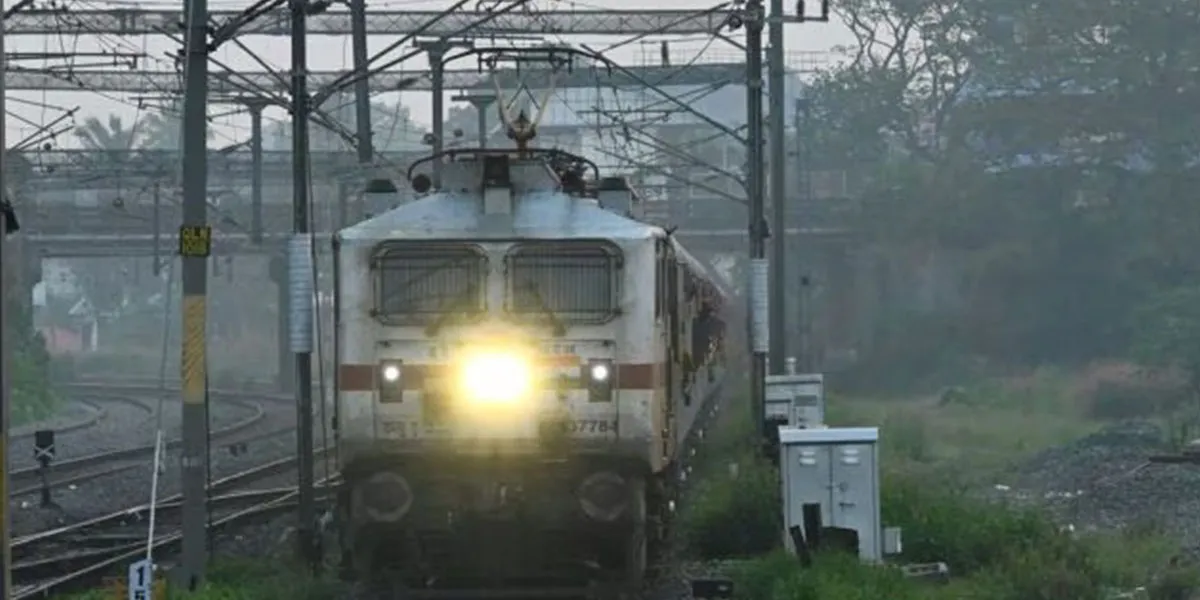
Kerala Rail Expansion Gains Pace With New DPR Work
RAILWAYS & METRO RAIL

Kerala Rail Expansion Gains Pace With New DPR Work

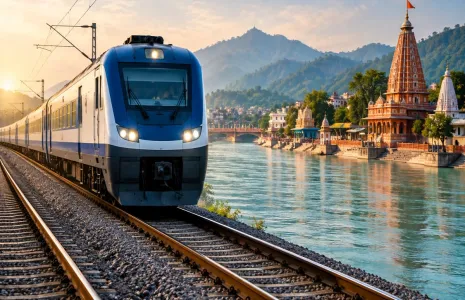
Indian Railways is preparing a Detailed Project Report (DPR) to develop more than 750 km of new railway lines across Kerala, a move aimed at enhancing train operations, boosting service frequency and strengthening the state’s overall transport capacity. For FY 2025–26, the national transporter has allocated a budget of Rs 3,042 million for Kerala.

In a written reply in the Lok Sabha on 3 December, Railway Minister Ashwini Vaishnaw noted that over the last three years—2022–23, 2023–24, 2024–25 and the current financial year—a total of nine surveys (three new lines and six doubling projects) covering 1,124 km have been sanctioned, with work already underway.

Speaking in the Rajya Sabha on 5 December, Vaishnaw confirmed that a DPR is being prepared for several major Kerala rail line proposals. These include:

Kasaragod–Kozhikode–Shoranur third and fourth line (261 km)

Shoranur–Ernakulam third line (106 km)

Shoranur–Coimbatore third and fourth line (99 km)

Ernakulam–Kayankulam third line (115 km)

Kayankulam–Thiruvananthapuram third line (105 km)

Thiruvananthapuram–Nagercoil third line (71 km)

Together, these projects span 757 km.

In addition, Indian Railways is undertaking several other connectivity works totalling 232 km, including:

Angamali–Sabarimala new line (111 km) at a cost of Rs 37.27 billion

Ernakulam–Kumbalam doubling (8 km) costing Rs 5.95 billion

Kumbalam–Thuravur patch doubling (16 km) at Rs 8.03 billion

Trivandrum–Kanyakumari doubling (87 km) costing Rs 37.86 billion

Shoranur–Vallathol doubling (10 km) at Rs 3.67 billion

These combined efforts form one of the most extensive rail development programmes Kerala has seen, aimed at easing congestion, improving regional mobility and supporting long-term economic growth

Indian Railways is preparing a Detailed Project Report (DPR) to develop more than 750 km of new railway lines across Kerala, a move aimed at enhancing train operations, boosting service frequency and strengthening the state’s overall transport capacity. For FY 2025–26, the national transporter has allocated a budget of Rs 3,042 million for Kerala. In a written reply in the Lok Sabha on 3 December, Railway Minister Ashwini Vaishnaw noted that over the last three years—2022–23, 2023–24, 2024–25 and the current financial year—a total of nine surveys (three new lines and six doubling projects) covering 1,124 km have been sanctioned, with work already underway. Speaking in the Rajya Sabha on 5 December, Vaishnaw confirmed that a DPR is being prepared for several major Kerala rail line proposals. These include: Kasaragod–Kozhikode–Shoranur third and fourth line (261 km) Shoranur–Ernakulam third line (106 km) Shoranur–Coimbatore third and fourth line (99 km) Ernakulam–Kayankulam third line (115 km) Kayankulam–Thiruvananthapuram third line (105 km) Thiruvananthapuram–Nagercoil third line (71 km) Together, these projects span 757 km. In addition, Indian Railways is undertaking several other connectivity works totalling 232 km, including: Angamali–Sabarimala new line (111 km) at a cost of Rs 37.27 billion Ernakulam–Kumbalam doubling (8 km) costing Rs 5.95 billion Kumbalam–Thuravur patch doubling (16 km) at Rs 8.03 billion Trivandrum–Kanyakumari doubling (87 km) costing Rs 37.86 billion Shoranur–Vallathol doubling (10 km) at Rs 3.67 billion These combined efforts form one of the most extensive rail development programmes Kerala has seen, aimed at easing congestion, improving regional mobility and supporting long-term economic growth

Next Story
Infrastructure Urban

Powerplay Rolls Out Procurement-Linked Credit for Contractors

Powerplay has announced the launch of Powerplay Credit, a project-linked working capital solution aimed at easing cash flow pressures faced by contractors during active construction execution. The solution has gone live across key markets in South India, with a wider national rollout planned for 2026.The launch comes amid rising activity in India’s construction sector across infrastructure, housing, industrial corridors, renewable energy and urban redevelopment. Contractors executing large corporate and government projects often face extended payment cycles, stage-based billing and delayed r..

Next Story
Infrastructure Urban

Jyoti Structures Commissions Galvanisation at Second Nashik Unit

Jyoti Structures has commissioned galvanisation operations at its second tower manufacturing unit in Nashik, strengthening its in-house capabilities across critical stages of power transmission infrastructure production. The listed Engineering, Procurement and Construction (EPC) company operates globally and has delivered projects for customers across more than 50 countries.The second Nashik unit, with an annual manufacturing capacity of 36,000 metric tonnes, has become operational following the completion of installation, testing and readiness of the new galvanising facilities. With this deve..

Next Story
Infrastructure Energy

Rosatom Connects First Kursk NPP-2 Unit to National Grid

Rosatom has launched the first power unit of the Kursk Nuclear Power Plant-2 (Kursk NPP-2) into Russia’s Unified Energy System, marking a key milestone in the country’s nuclear energy programme. The initial grid connection took place at the end of the year, bringing a new source of low-carbon electricity online for the Kursk region and the broader Central Energy System.The newly commissioned unit is the first implementation of the VVER-TOI reactor design, which incorporates advanced safety and performance features. With an installed capacity of 1,250 MW, it is the most powerful nuclear pow..

Advertisement

Subscribe to Our Newsletter

Get daily newsletters around different themes from Construction world.

STAY CONNECTED

Advertisement

Advertisement

Advertisement

Advertisement

Open In App