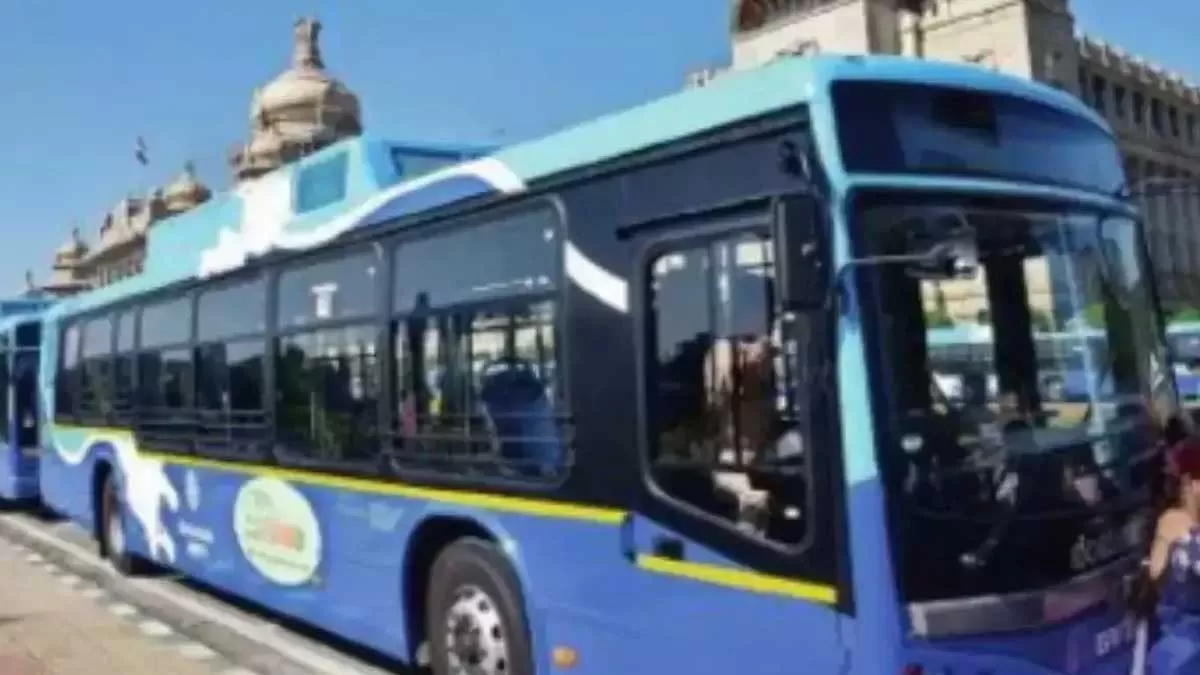
Bangalore Metropolitan Transport Corporation bus covers 203km a day
ECONOMY & POLICY

Bangalore Metropolitan Transport Corporation bus covers 203km a day

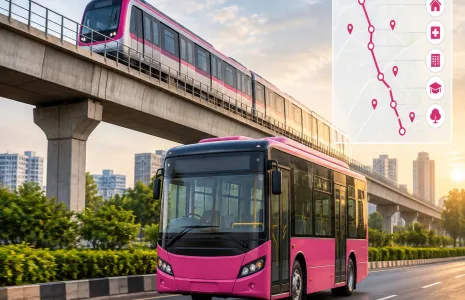
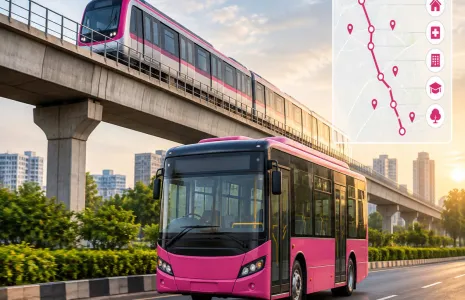
BMTC buses have increased their daily coverage by 9% over the past year, reaching an average of 203km per day in the fiscal year 2023-24. This improvement in operational efficiency comes amidst a surge in new vehicles on city roads. BMTC officials attribute this progress to various factors, including extending bus operation hours to 10-11 hours from the previous eight-hour shifts and deploying buses on long-distance routes.

The extension of general shifts, along with overtime payment for crew members, has facilitated more efficient vehicle utilisation. Additionally, the introduction of e-buses by private operators, running for extended hours, has contributed to this enhanced efficiency.

Operating buses on long-distance routes beyond 50-60km has also aided in optimal vehicle utilisation, with routes like NICE Road operations from BIEC to Electronics City playing a crucial role. BMTC's fleet size currently stands at 6,100 buses, including newly inducted e-buses, a number that has not seen significant growth despite a considerable increase in private vehicle numbers in the city.

Traffic congestion remains a challenge for public transport providers, impacting operational efficiency, leading to trip cancellations, increased fuel consumption, and stress on bus crew. Traffic bottlenecks such as Central Silk Board, Hebbal, Tin Factory, Sarakki, and Gorguntepalya exacerbate these challenges.

Efforts to address traffic congestion, such as providing priority lanes for BMTC buses, have faced obstacles. While initiatives like the priority lane from Central Silk Board to KR Pura were implemented initially, subsequent construction work on the Outer Ring Road (ORR) for Namma Metro's Blue Line resulted in the removal of these lanes.

Despite proposals by BBMP to establish bus priority lanes on ten major corridors, these projects have yet to materialise. (ET Infra)

BMTC buses have increased their daily coverage by 9% over the past year, reaching an average of 203km per day in the fiscal year 2023-24. This improvement in operational efficiency comes amidst a surge in new vehicles on city roads. BMTC officials attribute this progress to various factors, including extending bus operation hours to 10-11 hours from the previous eight-hour shifts and deploying buses on long-distance routes. The extension of general shifts, along with overtime payment for crew members, has facilitated more efficient vehicle utilisation. Additionally, the introduction of e-buses by private operators, running for extended hours, has contributed to this enhanced efficiency. Operating buses on long-distance routes beyond 50-60km has also aided in optimal vehicle utilisation, with routes like NICE Road operations from BIEC to Electronics City playing a crucial role. BMTC's fleet size currently stands at 6,100 buses, including newly inducted e-buses, a number that has not seen significant growth despite a considerable increase in private vehicle numbers in the city. Traffic congestion remains a challenge for public transport providers, impacting operational efficiency, leading to trip cancellations, increased fuel consumption, and stress on bus crew. Traffic bottlenecks such as Central Silk Board, Hebbal, Tin Factory, Sarakki, and Gorguntepalya exacerbate these challenges. Efforts to address traffic congestion, such as providing priority lanes for BMTC buses, have faced obstacles. While initiatives like the priority lane from Central Silk Board to KR Pura were implemented initially, subsequent construction work on the Outer Ring Road (ORR) for Namma Metro's Blue Line resulted in the removal of these lanes. Despite proposals by BBMP to establish bus priority lanes on ten major corridors, these projects have yet to materialise. (ET Infra)

Next Story
Infrastructure Urban

VECV Sales Rise 7.8 Per Cent In May 2026

VE Commercial Vehicles recorded sales of 7,978 units in May 2026, compared to 7,401 units in May 2025, registering growth of 7.8 per cent. This included 7,789 units from the Eicher brand and 189 units from the Volvo brand.Eicher branded trucks and buses reported sales of 7,789 units during the month, up 7.3 per cent from 7,258 units a year earlier. In the domestic commercial vehicle market, Eicher sales rose 9.1 per cent to 7,375 units from 6,758 units in May 2025.Exports declined 17.2 per cent to 414 units from 500 units in the corresponding month last year. Volvo Trucks and Volvo Buses recor..

Next Story
Infrastructure Urban

Table Space Strengthens DESYN Leadership Team

Table Space has announced strategic leadership appointments within DESYN, its integrated Design and Build business, as it looks to strengthen operations across key enterprise and GCC markets in India. DESYN was launched as a strategic extension of Table Space’s workspace solutions portfolio to meet rising demand for agile, high-quality and rapidly deployable enterprise workspaces.Shruti Ookabhoy has joined DESYN as Executive Director and will lead the Design vertical, focusing on design capability, operational excellence and team development across markets. She brings over 22 years of experi..

Next Story
Infrastructure Transport

Concord Associate Bags Rs 2.79 Bn Kavach Order

Concord Control Systems said its associate company, Progota India, has received a Rs 2.79 bn domestic order from Indian Railways for the supply, installation, testing and commissioning of on-board Kavach 4.0 loco equipment.The order is scheduled for execution within 12 months and strengthens Concord’s role in India’s railway safety and signalling ecosystem. Kavach is India’s indigenous automatic train protection system, designed to improve operational safety by helping prevent signal passing at danger and reducing collision risks.Gaurav Lath, Joint Managing Director, Concord Control Syst..

Advertisement

Subscribe to Our Newsletter

Get daily newsletters around different themes from Construction world.

STAY CONNECTED

Advertisement

Advertisement

Advertisement