Boeing struggles as 737 MAX deliveries hit lowest since 2018 crashes
ECONOMY & POLICY

Boeing struggles as 737 MAX deliveries hit lowest since 2018 crashes

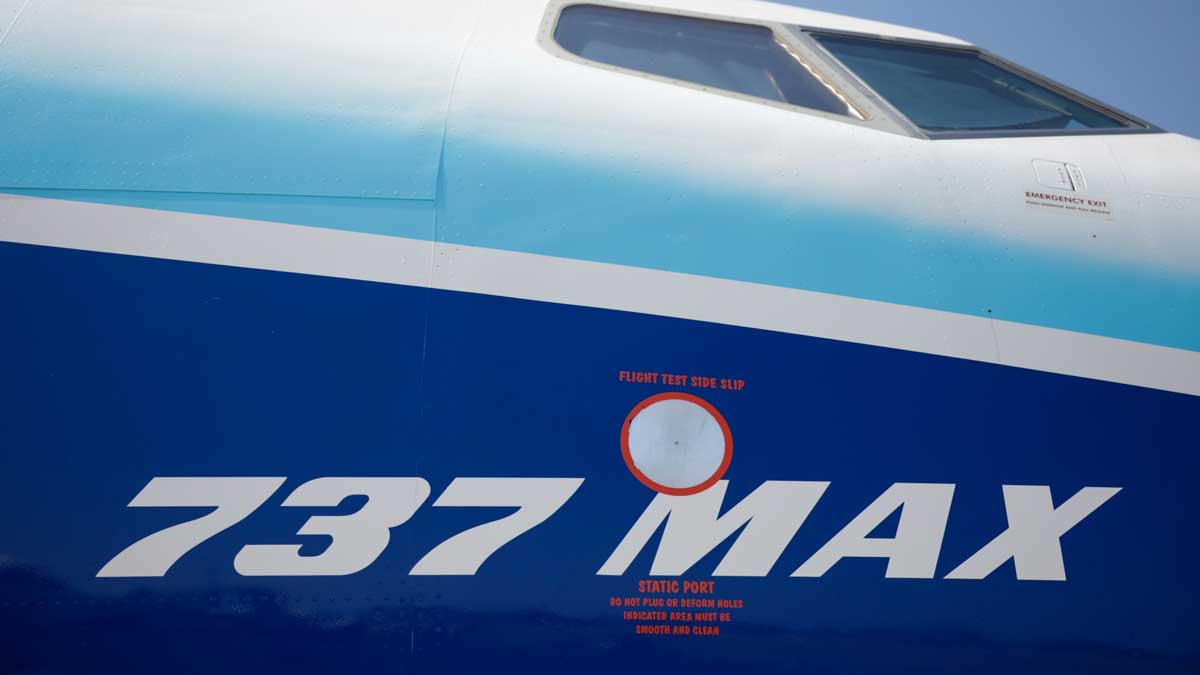
In September, Boeing faced a significant decline in deliveries of its popular 737 MAX, marking the lowest figures since August 2021. The company struggled to address a manufacturing defect, resulting in a total of 27 deliveries for the month. Among these, 15 were Boeing MAX 8 and 9 airplanes. This drop in deliveries follows the global grounding of the MAX series in 2018 and 2019, following two fatal crashes that claimed 346 lives.

Boeing's challenges continued as they grappled with rectifying misdrilled holes on the 737 MAX 8 aft pressure bulkhead. Despite these setbacks, the company secured new orders for 224 planes in September, which included 50 787s for United Airlines.

Delivery numbers are closely monitored by investors since the majority of payment for an aircraft is received upon customer transfer. Boeing's total deliveries for the first nine months of 2023 reached 371 planes, out of which 286 were 737s. In comparison, its European competitor, Airbus, delivered 488 aircraft in the first eight months, including 55 in September.

Boeing's gross orders for the year reached 848 by September, with 724 net orders after accounting for cancellations and conversions. In contrast, Airbus recorded 1,280 gross orders, which reduced to 1,241 after cancellations.

Despite these challenges, Boeing's commercial backlog saw an increase from 4,971 to 5,172 planes. Notably, September marked the first time since December 2019 that Boeing's official backlog exceeded 5,000 orders.

Additionally, Boeing awaited certification for its smaller 737 MAX 7 from the Federal Aviation Administration, a process that had extended for over a year. The company announced in July that the first delivery of the 737 MAX 7 had been postponed to 2024 due to these on-going evaluations.

In September, Boeing faced a significant decline in deliveries of its popular 737 MAX, marking the lowest figures since August 2021. The company struggled to address a manufacturing defect, resulting in a total of 27 deliveries for the month. Among these, 15 were Boeing MAX 8 and 9 airplanes. This drop in deliveries follows the global grounding of the MAX series in 2018 and 2019, following two fatal crashes that claimed 346 lives. Boeing's challenges continued as they grappled with rectifying misdrilled holes on the 737 MAX 8 aft pressure bulkhead. Despite these setbacks, the company secured new orders for 224 planes in September, which included 50 787s for United Airlines. Delivery numbers are closely monitored by investors since the majority of payment for an aircraft is received upon customer transfer. Boeing's total deliveries for the first nine months of 2023 reached 371 planes, out of which 286 were 737s. In comparison, its European competitor, Airbus, delivered 488 aircraft in the first eight months, including 55 in September. Boeing's gross orders for the year reached 848 by September, with 724 net orders after accounting for cancellations and conversions. In contrast, Airbus recorded 1,280 gross orders, which reduced to 1,241 after cancellations. Despite these challenges, Boeing's commercial backlog saw an increase from 4,971 to 5,172 planes. Notably, September marked the first time since December 2019 that Boeing's official backlog exceeded 5,000 orders. Additionally, Boeing awaited certification for its smaller 737 MAX 7 from the Federal Aviation Administration, a process that had extended for over a year. The company announced in July that the first delivery of the 737 MAX 7 had been postponed to 2024 due to these on-going evaluations.

Next Story
Technology

AI-Enabled Workflows Lift Profitability and Productivity

Organisations modernising frontline workflows with artificial intelligence, automation and real-time data are reporting stronger financial performance, higher productivity and improved employee engagement, according to a global study by Zebra Technologies and Oxford Economics.The research covered 1,000 senior leaders across retail, manufacturing, transportation and logistics in the US, Mexico, the UK, Germany, India, Japan, Australia and New Zealand.In transportation and logistics, 54 per cent of companies that improved picking and packing operations reported faster operational performance, wh..

Next Story
Real Estate

India Leads Global AI Readiness but Implementation Lags

Indian companies lead global averages across all eight artificial intelligence readiness indicators tracked by JLL, but only 19 per cent have started making changes to their workplaces, according to the JLL 2026 Future of Work Survey.The study found that 77 per cent of Indian business leaders expect AI to change their office requirements, creating a 58-percentage-point gap between awareness and implementation. The survey covered more than 2,200 CEOs, CFOs and real estate leaders across 21 countries during the first quarter of 2026.Despite concerns over automation, 58 per cent of Indian leaders..

Next Story
Equipment

Three WOLFF Cranes Build Riyadh Cable-Stayed Bridges

Three WOLFF 180 B luffing jib cranes are supporting the construction of two cable-stayed bridges alongside the existing Wadi Laban Bridge in Riyadh, Saudi Arabia. The project is being developed for the Royal Commission for Riyadh City and executed by the ICRC joint venture comprising IC Ictas and Al Rashid Trading & Contracting Company.The cranes are handling lifting operations including formwork, reinforcement, concrete placement, work platforms, surveying equipment and other construction materials. Each crane is fitted with a 40 m jib, reaches a hook height of 157 m and offers a maximum ..

Advertisement

Subscribe to Our Newsletter

Get daily newsletters around different themes from Construction world.

STAY CONNECTED

Advertisement

Advertisement

Advertisement