Bombay High Court Affirms Termination of Atlantic Construction
ECONOMY & POLICY

Bombay High Court Affirms Termination of Atlantic Construction

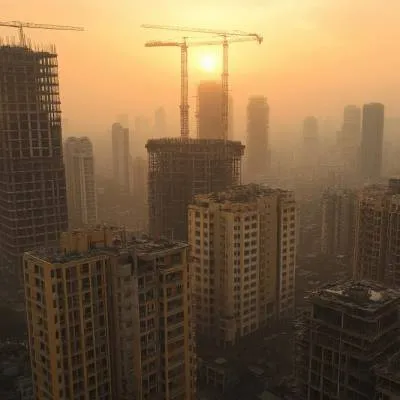
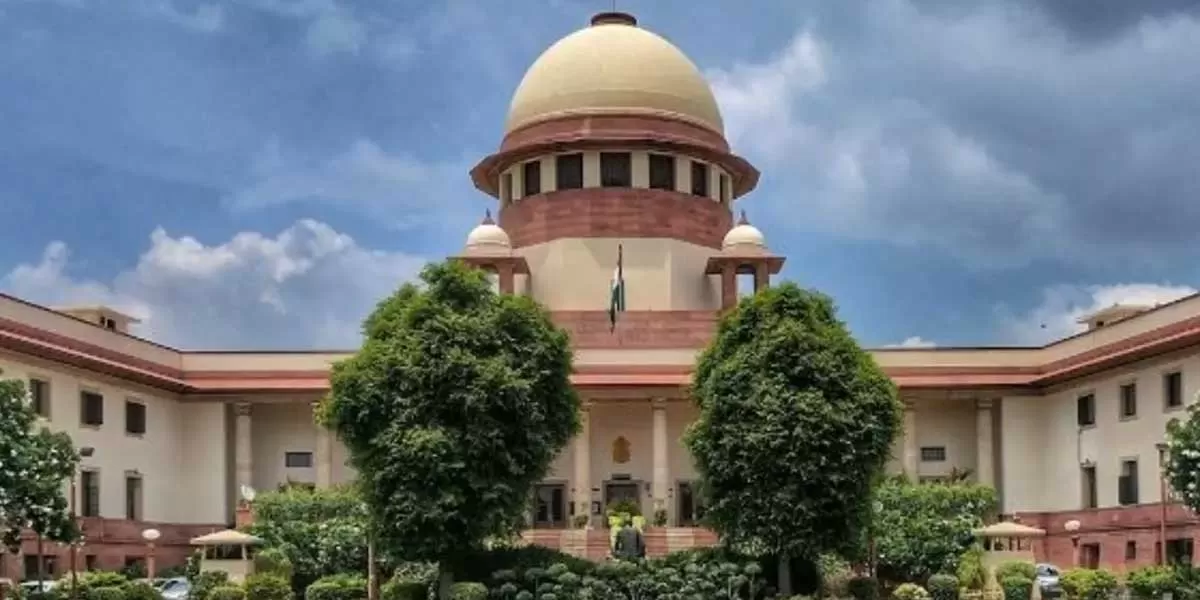
The Bombay High Court upheld the termination of a developer's appointment, facilitating redevelopment in Versova village, Andheri (W), after more than 26 years. The court determined that Atlantic Construction Co. lacked the required minimum of 51 per cent consent from eligible slum-dwellers, as mandated by the Development Control & Promotion Regulations, 2034.

Justice Madhav Jamdar remarked in the order dated September 4 that if it were ruled that obtaining 51 per cent consent was not mandatory, it could lead to numerous challenges. He pointed out that a developer with the consent of only a few eligible slum-dwellers might assert a right to redevelopment, emphasizing that the requirement for 51 per cent or more consent is both specific and mandatory.

In November 1998, Atul Projects was appointed by Sahyog Kalpana CHS. However, due to its failure to initiate redevelopment efforts, the appointment was terminated by the Slum Rehabilitation Authority (SRA) in December 2015. Dynamic Civil Developers was then appointed in April 2015, but they also took no action. Consequently, in March 2022, the society sent a letter to the SRA CEO requesting the termination of the developer's appointment.

The Bombay High Court upheld the termination of a developer's appointment, facilitating redevelopment in Versova village, Andheri (W), after more than 26 years. The court determined that Atlantic Construction Co. lacked the required minimum of 51 per cent consent from eligible slum-dwellers, as mandated by the Development Control & Promotion Regulations, 2034. Justice Madhav Jamdar remarked in the order dated September 4 that if it were ruled that obtaining 51 per cent consent was not mandatory, it could lead to numerous challenges. He pointed out that a developer with the consent of only a few eligible slum-dwellers might assert a right to redevelopment, emphasizing that the requirement for 51 per cent or more consent is both specific and mandatory. In November 1998, Atul Projects was appointed by Sahyog Kalpana CHS. However, due to its failure to initiate redevelopment efforts, the appointment was terminated by the Slum Rehabilitation Authority (SRA) in December 2015. Dynamic Civil Developers was then appointed in April 2015, but they also took no action. Consequently, in March 2022, the society sent a letter to the SRA CEO requesting the termination of the developer's appointment.

Next Story
Infrastructure Urban

Mount Invests Rs 250 Cr, Adds PUF & PEB Plants, 400+ Jobs

TUMKUR, Karnataka, January 8, 2025 - Mount Roofing & Structures Private Limited, one of India's  fastest-growing manufacturers in PUF and a leading solutions provider across Pre-Engineered Building  (PEB) and Polycarbonate sheets, simultaneously inaugurated its second fully automated continuous  Sandwich Panel manufacturing line and a new PEB manufacturing plant at its integrated campus in  Tumkur." The milestone expansion, part of a total investment of INR 250 crores, marks a significant  advancement in the company's commitment to engineered performance, manu..

Next Story
Infrastructure Urban

Titan Intech Strengthens UltraLED Push With Global LED Veteran

Titan Intech has announced the induction of global LED industry veteran Su Piow Ko to its Board of Directors, marking a strategic step in strengthening its UltraLED Displays roadmap and building globally competitive LED display solutions from India.The appointment aligns with Titan Intech’s ambition to position India as a hub for advanced, high-quality LED display manufacturing. With an increased focus on UltraLED Displays, the company aims to enhance technical governance, raise manufacturing standards and expand its presence across global markets.Su Piow Ko brings over three decades of inte..

Next Story
Infrastructure Urban

Dun & Bradstreet Flags New Growth Engines in India 2026 Outlook

Dun & Bradstreet has released its India 2026: D&B’s Perspective report, projecting a stable macroeconomic environment underpinned by fresh opportunities for productivity-led and inclusive growth. The report outlines how India’s next growth phase will be driven by digitised logistics, trusted data ecosystems, clean energy and rising city vitality.According to the outlook, India’s GDP growth is expected to reach around 6.6 per cent by FY2027, supported by resilient consumer demand and sustained public investment. Manufacturing is seen entering a new phase, moving beyond scale towar..

Advertisement

Subscribe to Our Newsletter

Get daily newsletters around different themes from Construction world.

STAY CONNECTED

Advertisement

Advertisement

Advertisement

Advertisement

Open In App