BorgWarner Expands Dual Inverter Partnership with Great Wall Motor
ECONOMY & POLICY

BorgWarner Expands Dual Inverter Partnership with Great Wall Motor

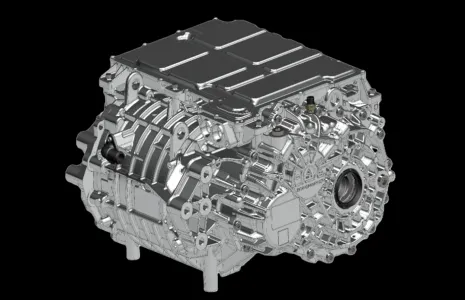
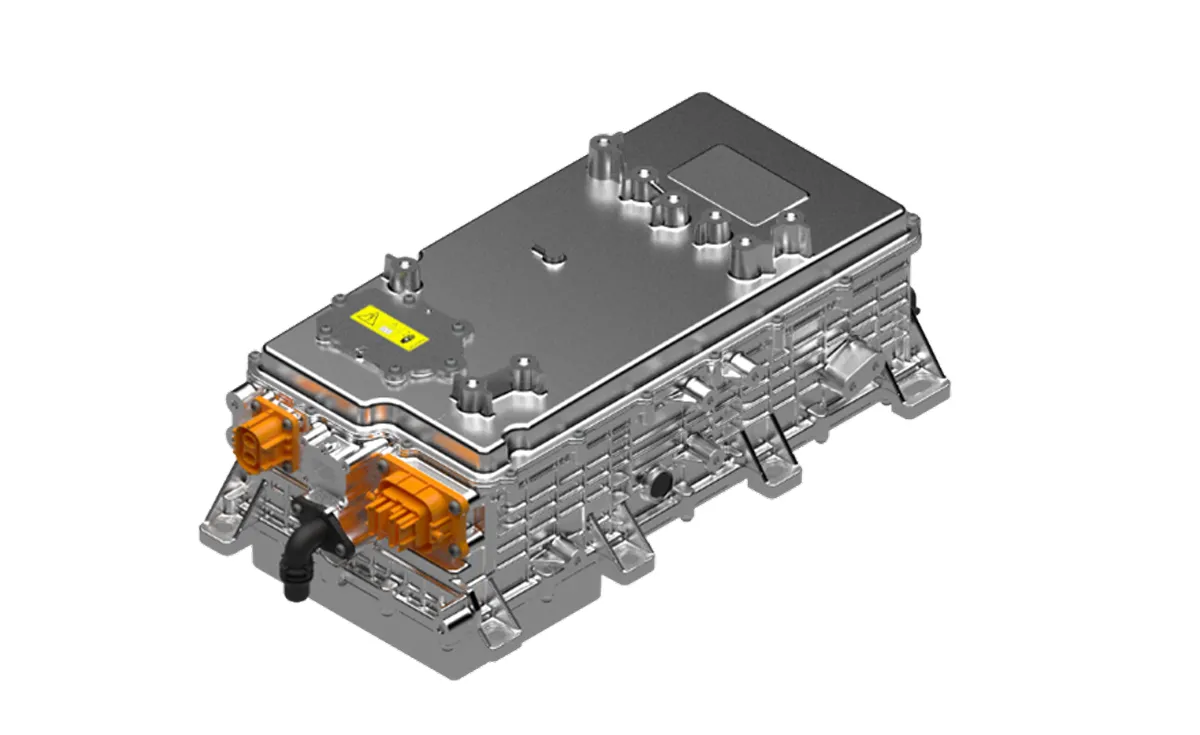
India, November 10, 2025 – BorgWarner has announced the expansion of its collaboration with Great Wall Motor (GWM) in electrified propulsion systems, securing two new dual inverter programmes that will enter mass production in 2026. The development builds on two previously announced projects, underscoring both companies’ shared focus on advanced hybrid technology.

Driving Innovation in Electrification “BorgWarner’s technical expertise in electrification and dual inverter products has earned Great Wall Motor’s continued confidence,” said Dr Stefan Demmerle, Vice President of BorgWarner Inc. and President and General Manager, PowerDrive Systems. “This collaboration reflects recognition of our innovative technology and our commitment to advancing customers’ new energy strategies.”

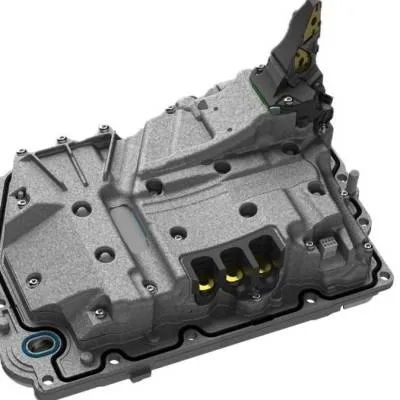
The company’s dual inverter features a highly integrated design that allows synchronous control and drive of two motors through a single controller. This configuration enhances packaging flexibility and reduces weight and cost, thanks to BorgWarner’s proprietary compact packaging technology.

Advanced Efficiency and Design Flexibility The inverter’s double-sided cooling power module—equipped with the latest generation of Viper power switches—reduces thermal resistance by up to 50 per cent compared to single-sided cooling, significantly improving power density. The system also supports multiple semiconductor configurations within identical module sizes to meet stringent China Light-Duty Vehicle Test Cycle (CLTC) efficiency standards.

Additionally, adaptive battery voltage regulation extends the motor’s constant power and efficiency ranges, improving overall system performance.

Supporting Diverse Hybrid Applications Built on a platform-based architecture, BorgWarner’s dual inverter is compatible with a wide range of hybrid applications. The HEV version integrates a DC/DC converter and an optional voltage boost module, while the PHEV version eliminates both components, simplifying system design.

This modular approach enables automakers to accelerate product development cycles while reducing design complexity and costs—further strengthening BorgWarner’s position as a key partner in the transition to cleaner mobility.

India, November 10, 2025 – BorgWarner has announced the expansion of its collaboration with Great Wall Motor (GWM) in electrified propulsion systems, securing two new dual inverter programmes that will enter mass production in 2026. The development builds on two previously announced projects, underscoring both companies’ shared focus on advanced hybrid technology. Driving Innovation in Electrification “BorgWarner’s technical expertise in electrification and dual inverter products has earned Great Wall Motor’s continued confidence,” said Dr Stefan Demmerle, Vice President of BorgWarner Inc. and President and General Manager, PowerDrive Systems. “This collaboration reflects recognition of our innovative technology and our commitment to advancing customers’ new energy strategies.” The company’s dual inverter features a highly integrated design that allows synchronous control and drive of two motors through a single controller. This configuration enhances packaging flexibility and reduces weight and cost, thanks to BorgWarner’s proprietary compact packaging technology. Advanced Efficiency and Design Flexibility The inverter’s double-sided cooling power module—equipped with the latest generation of Viper power switches—reduces thermal resistance by up to 50 per cent compared to single-sided cooling, significantly improving power density. The system also supports multiple semiconductor configurations within identical module sizes to meet stringent China Light-Duty Vehicle Test Cycle (CLTC) efficiency standards. Additionally, adaptive battery voltage regulation extends the motor’s constant power and efficiency ranges, improving overall system performance. Supporting Diverse Hybrid Applications Built on a platform-based architecture, BorgWarner’s dual inverter is compatible with a wide range of hybrid applications. The HEV version integrates a DC/DC converter and an optional voltage boost module, while the PHEV version eliminates both components, simplifying system design. This modular approach enables automakers to accelerate product development cycles while reducing design complexity and costs—further strengthening BorgWarner’s position as a key partner in the transition to cleaner mobility.

Next Story
Real Estate

CREDAI-MCHI to Host 10th Design & Construction Conference

CREDAI-MCHI will host the 10th anniversary edition of its Design & Construction Conference on August 19, 2026, at the Jio World Convention Centre in Mumbai.The event is expected to bring together more than 500 procurement leaders, construction heads, architects, consultants and senior real estate decision-makers, alongside over 50 construction and ancillary brands.The conference will feature product launches, technology showcases, knowledge sessions, strategic business-to-business networking and recognition of procurement professionals contributing to the transformation of the construction..

Next Story
Infrastructure Energy

BorgWarner Wins Extension for High-Voltage Inverter Programmes

BorgWarner has secured a major extension of several high-volume high-voltage inverter programmes from a leading European automotive manufacturer.The contracts cover updated inverter designs for plug-in hybrid and 800V battery-electric vehicle applications. Production is scheduled to begin in 2029.Isabelle McKenzie, President and General Manager, BorgWarner PowerDrive Systems, said the programme extensions demonstrate the company’s position in power electronics and reflect the strength of its technology, in-house expertise and customer relationships.For plug-in hybrid vehicles, BorgWarner wil..

Next Story
Infrastructure Urban

Castrol India Q2 Profit Rises 43% to Rs 3.48 bn

Castrol India reported a 43 per cent year-on-year increase in profit after tax to Rs 3.48 billion for the quarter ended June 30, 2026, supported by growth across its consumer, industrial and institutional businesses.Revenue from operations increased 25 per cent to Rs 18.71 billion during the second quarter of 2026, compared with Rs 14.97 billion in the corresponding period of 2025. EBITDA rose 41 per cent to Rs 4.94 billion from Rs 3.50 billion.Sequentially, revenue increased from Rs 15.45 billion in the first quarter of 2026, while EBITDA rose from Rs 3.29 billion. Profit after tax increased ..

Advertisement

Subscribe to Our Newsletter

Get daily newsletters around different themes from Construction world.

STAY CONNECTED

Advertisement

Advertisement

Advertisement