Bosch And Tata Autocomp To Form 50:50 JV To Localise EV Drivetrain
ECONOMY & POLICY

Bosch And Tata Autocomp To Form 50:50 JV To Localise EV Drivetrain

Bosch and Tata Autocomp have agreed to form a 50:50 joint venture to localise electric vehicle drivetrain components. The venture is intended to strengthen the domestic supply chain for drivetrains and to reduce reliance on imports of systems and subassemblies. The partners aim to coordinate research, sourcing and manufacturing to adapt components for local conditions and demand and the companies will coordinate with suppliers and vehicle makers to align specifications.

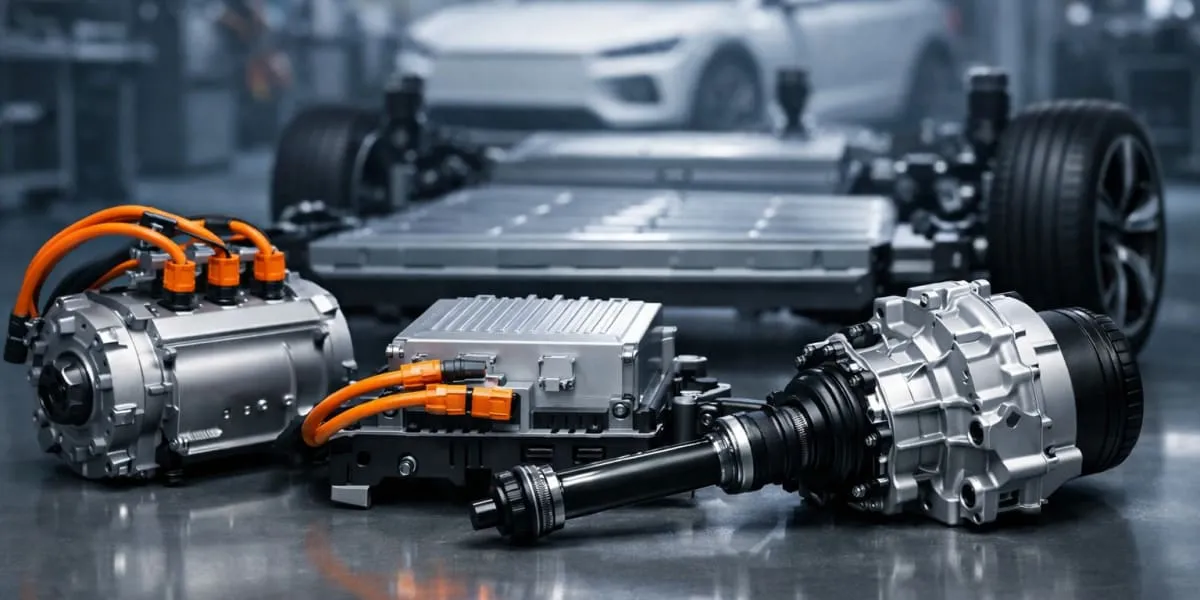
The scope of localisation will cover electric motors, power electronics and transmission assemblies, together with associated control software and testing capabilities. Local manufacturing of these elements is expected to improve lead times and support greater customisation for original equipment manufacturers. Engineering centres will be tasked with adapting designs for Indian operating conditions and the venture will also seek to develop supplier tiers and transfer production knowhow to domestic partners.

The move follows broader industry efforts to scale up indigenous production as demand for electric vehicles grows across segments. By combining global technology with local manufacturing strengths the venture is intended to lower costs for manufacturers and enhance the resilience of the supply chain. The initiative is expected to contribute to technology absorption across the supplier base and this alignment is seen as supportive of policies that encourage domestic value addition in automotive manufacturing.

Both companies are expected to leverage existing networks to integrate the new operations into the supply chain for passenger and commercial vehicles. The arrangement is likely to focus on quality assurance, tooling and process engineering to meet vehicle maker specifications. Observers anticipate that localisation will benefit not only original equipment manufacturers but also service and aftermarket ecosystems. The joint venture underscores a strategic shift towards deeper local content in electric mobility.

Bosch and Tata Autocomp have agreed to form a 50:50 joint venture to localise electric vehicle drivetrain components. The venture is intended to strengthen the domestic supply chain for drivetrains and to reduce reliance on imports of systems and subassemblies. The partners aim to coordinate research, sourcing and manufacturing to adapt components for local conditions and demand and the companies will coordinate with suppliers and vehicle makers to align specifications. The scope of localisation will cover electric motors, power electronics and transmission assemblies, together with associated control software and testing capabilities. Local manufacturing of these elements is expected to improve lead times and support greater customisation for original equipment manufacturers. Engineering centres will be tasked with adapting designs for Indian operating conditions and the venture will also seek to develop supplier tiers and transfer production knowhow to domestic partners. The move follows broader industry efforts to scale up indigenous production as demand for electric vehicles grows across segments. By combining global technology with local manufacturing strengths the venture is intended to lower costs for manufacturers and enhance the resilience of the supply chain. The initiative is expected to contribute to technology absorption across the supplier base and this alignment is seen as supportive of policies that encourage domestic value addition in automotive manufacturing. Both companies are expected to leverage existing networks to integrate the new operations into the supply chain for passenger and commercial vehicles. The arrangement is likely to focus on quality assurance, tooling and process engineering to meet vehicle maker specifications. Observers anticipate that localisation will benefit not only original equipment manufacturers but also service and aftermarket ecosystems. The joint venture underscores a strategic shift towards deeper local content in electric mobility.

Next Story
Infrastructure Urban

Flender Unveils N-ZAPEX Gear Couplings for Cost-Effective Operation

Flender has unveiled its new N-ZAPEX gear couplings, setting a new industry standard for drive applications in harsh conditions, such as those found in steel, cement, mining, and oil & gas industries. Designed to deliver economic benefits over the entire lifecycle, the N-ZAPEX series offers the highest torque density and misalignment capacities on the market.The N-ZAPEX is available in two versions, XN and XW, each tailored to meet different customer requirements. The XN variant focuses on standardisation, reduced complexity, and cost-effectiveness for smaller sizes, featuring reusable com..

Next Story
Infrastructure Urban

Anil Agarwal Calls for Entrepreneurial Role in Natural Resource PSUs

Anil Agarwal, Chairman of Vedanta, has highlighted the transformative potential of greater entrepreneurial involvement in India's public sector companies within the natural resources space. In a LinkedIn post, he emphasised the importance of empowering India’s pool of entrepreneurs alongside skilled public-sector talent to strengthen domestic production and reduce the country’s reliance on imports.Agarwal drew comparisons with India’s agricultural success, where self-sufficiency and surplus production were achieved. He suggested that a similar approach could unlock substantial value in p..

Next Story
Technology

Advaiya Launches Change Log Archival App for Microsoft Dynamics 365

Advaiya has launched its Change Log Archival app for Microsoft Dynamics 365 Business Central on the Microsoft Marketplace. The app enables organisations to securely archive large volumes of change log data outside the core ERP system while ensuring auditability, compliance, and traceability.As organisations face growing change log records that increase database size and impact system performance, the Change Log Archival app addresses these challenges by archiving historical logs to Azure Blob Storage. This solution optimises storage, maintains data integrity, and ensures accessibility, allowin..

Advertisement

Subscribe to Our Newsletter

Get daily newsletters around different themes from Construction world.

STAY CONNECTED

Advertisement

Advertisement

Advertisement