Centre Relaxes Kerosene Supply Rules For 60 Days Amid LPG Shortage
ECONOMY & POLICY

Centre Relaxes Kerosene Supply Rules For 60 Days Amid LPG Shortage

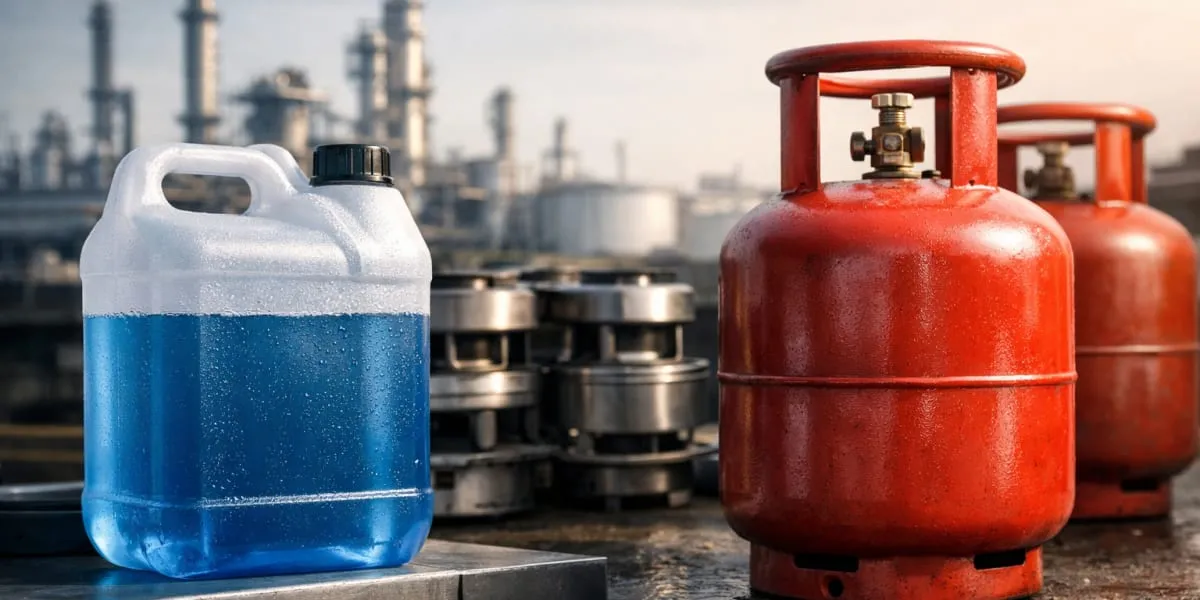
The central government has relaxed kerosene supply norms for 60 days to alleviate a shortage of liquefied petroleum gas (LPG) for domestic cooking. The measure will allow diversion of kerosene stocks and temporary adjustments to distribution rules to ensure uninterrupted household fuel access. Oil marketing companies (OMCs) have been directed to implement the changes swiftly. Distribution channels will prioritise households without access to cylinder refills.

The move comes amid reports of constrained LPG supplies and distribution disruptions that have left many households reliant on alternative fuels. The temporary relaxation is intended to provide immediate relief while longer term logistic remedies are pursued. Officials will monitor stocks and prioritise vulnerable consumers. The centre has emphasised equitable distribution across urban and rural areas.

Under the arrangement, kerosene will be supplied through existing retail outlets and fair price shops where feasible. Eligibility criteria for subsidised kerosene will remain under prevailing norms, with adjustments to ensure equitable access. The policy allows conversion between fuel allocations to respond to acute local shortages. Retailers will follow existing calibration and measurement norms to maintain fairness.

Analysts said kerosene is a stopgap and not a substitute for cleaner cooking fuels, and increased kerosene use may have health and environmental implications. The government signalled that the relaxation is temporary and that efforts to restore normal LPG supplies remain a priority. Supply chains and port operations will be key to restoring regular LPG distribution.

Implementation will be reviewed periodically and the centre has asked OMCs to report stock positions frequently. States and distributors have been urged to coordinate to prevent hoarding and diversion to non domestic uses. The measure seeks to bridge immediate household fuel needs while normal LPG supplies are reestablished. A formal review will take place before the end of the 60 day period.

The central government has relaxed kerosene supply norms for 60 days to alleviate a shortage of liquefied petroleum gas (LPG) for domestic cooking. The measure will allow diversion of kerosene stocks and temporary adjustments to distribution rules to ensure uninterrupted household fuel access. Oil marketing companies (OMCs) have been directed to implement the changes swiftly. Distribution channels will prioritise households without access to cylinder refills. The move comes amid reports of constrained LPG supplies and distribution disruptions that have left many households reliant on alternative fuels. The temporary relaxation is intended to provide immediate relief while longer term logistic remedies are pursued. Officials will monitor stocks and prioritise vulnerable consumers. The centre has emphasised equitable distribution across urban and rural areas. Under the arrangement, kerosene will be supplied through existing retail outlets and fair price shops where feasible. Eligibility criteria for subsidised kerosene will remain under prevailing norms, with adjustments to ensure equitable access. The policy allows conversion between fuel allocations to respond to acute local shortages. Retailers will follow existing calibration and measurement norms to maintain fairness. Analysts said kerosene is a stopgap and not a substitute for cleaner cooking fuels, and increased kerosene use may have health and environmental implications. The government signalled that the relaxation is temporary and that efforts to restore normal LPG supplies remain a priority. Supply chains and port operations will be key to restoring regular LPG distribution. Implementation will be reviewed periodically and the centre has asked OMCs to report stock positions frequently. States and distributors have been urged to coordinate to prevent hoarding and diversion to non domestic uses. The measure seeks to bridge immediate household fuel needs while normal LPG supplies are reestablished. A formal review will take place before the end of the 60 day period.

Next Story
Equipment

MYCRANE Crosses 1,000 Customers in India

MYCRANE, the global platform for crane rental and purchase, has achieved major commercial milestones in India, reinforcing the country’s position as one of its fastest-growing strategic markets. The company has surpassed 1,000 registered customers and 1,000 crane suppliers nationwide, while completing more than 100 paid orders.The growth reflects rising adoption of digital procurement solutions across India’s construction, infrastructure, energy and industrial sectors. Equipment sourced through the platform is supporting projects across the country, with several leading contractors and EPC..

Next Story
Infrastructure Urban

AMTOE 2026 Opens Global Machine Tool Sourcing Hub

The Asian Machine Tool Online Exhibition 2026 (AMTOE 2026) has officially opened as a B2B sourcing platform connecting global buyers with verified Asian suppliers across the machine tool and manufacturing sector. The exhibition will run until 31 October 2026 through a hybrid online and offline model, offering extended sourcing and business networking opportunities.Co-organised by AsianNet and TradeAsia, the event aims to strengthen links between Asian manufacturers and international importers while improving cross-border procurement efficiency and supplier matching.Since launching in 2022, AMT..

Next Story
Infrastructure Energy

Vedanta Lifts Renewable Energy Use by Over 50%

On World Earth Day, Vedanta Limited announced that its renewable energy usage rose by over 50 per cent year on year to 3.97 billion units in FY26, helping avoid 3 million tonnes of carbon dioxide emissions.The company said its portfolio of metals, minerals, power, and oil & gas continues to support advanced manufacturing, electrification, energy transition and clean technology. Aluminium, copper and silver remain critical for applications such as mobility, power transmission, renewable infrastructure and solar photovoltaics, while iron, steel and zinc continue to support energy infrastruct..

Advertisement

Subscribe to Our Newsletter

Get daily newsletters around different themes from Construction world.

STAY CONNECTED

Advertisement

Advertisement

Advertisement