+
CERC Rejects ReNew Surya Vihaan’s Plea for Bank Guarantee Refund
ECONOMY & POLICY

CERC Rejects ReNew Surya Vihaan’s Plea for Bank Guarantee Refund

The Central Electricity Regulatory Commission (CERC) has dismissed a petition by ReNew Surya Vihaan (RSVPL) seeking a refund of its Rs 50 million Construction Bank Guarantee (CBG) for a 100 MW solar project in Rajasthan. The Commission ruled that RSVPL had voluntarily transitioned from the Connectivity Regulations, 2009, to the General Network Access (GNA) Regulations, 2022, and was therefore bound by the new framework.

RSVPL argued that its financial obligations under the new regulations were disproportionately higher than those of fresh applicants, who are required to submit significantly lower guarantees. The company sought a refund of its original CBG and permission to furnish bank guarantees under the 2022 framework. However, the Central Transmission Utility of India (CTUIL) opposed the request, stating that transition provisions applied uniformly and that RSVPL had willingly accepted the new terms.

CERC ruled that RSVPL’s comparison with new applicants was flawed, as fresh applicants could also be required to provide additional guarantees. It also found no exceptional regulatory difficulty warranting relief under Regulation 42 of the GNA Regulations, 2022. Consequently, RSVPL’s plea to recover its Rs 50 million CBG was rejected, affirming the regulatory clarity of the transition provisions.

(MERCOM)

The Central Electricity Regulatory Commission (CERC) has dismissed a petition by ReNew Surya Vihaan (RSVPL) seeking a refund of its Rs 50 million Construction Bank Guarantee (CBG) for a 100 MW solar project in Rajasthan. The Commission ruled that RSVPL had voluntarily transitioned from the Connectivity Regulations, 2009, to the General Network Access (GNA) Regulations, 2022, and was therefore bound by the new framework.RSVPL argued that its financial obligations under the new regulations were disproportionately higher than those of fresh applicants, who are required to submit significantly lower guarantees. The company sought a refund of its original CBG and permission to furnish bank guarantees under the 2022 framework. However, the Central Transmission Utility of India (CTUIL) opposed the request, stating that transition provisions applied uniformly and that RSVPL had willingly accepted the new terms.CERC ruled that RSVPL’s comparison with new applicants was flawed, as fresh applicants could also be required to provide additional guarantees. It also found no exceptional regulatory difficulty warranting relief under Regulation 42 of the GNA Regulations, 2022. Consequently, RSVPL’s plea to recover its Rs 50 million CBG was rejected, affirming the regulatory clarity of the transition provisions.(MERCOM)

Related Stories

Gold Stories

Next Story
Infrastructure Transport

Tiruchi Airport Handles over 20 t of Domestic Cargo in a Month

Tiruchi International Airport has handled more than 20 t of inbound and outbound domestic cargo since the facility was launched in late August. Outbound shipments have exceeded inbound volumes, with private carriers transporting goods to Chennai, Delhi, Bengaluru and Mumbai. The domestic cargo service began after the Bureau of Civil Aviation Security (BCAS), an independent department under the Ministry of Civil Aviation, granted clearance. The facility was introduced to give local businesses a faster route for sending goods to major domestic hubs, reducing their reliance on cargo routed throug..
Next Story
Infrastructure Urban

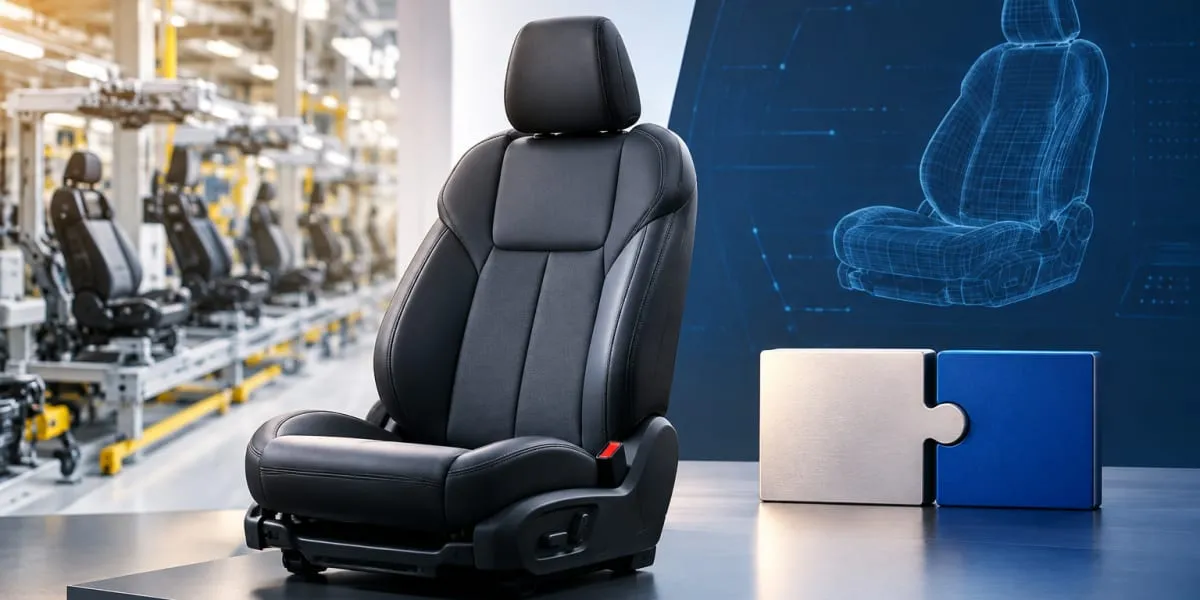
Gabriel India Forms Joint Venture with Forvia for Advanced Seating

Gabriel India, part of the US$2.6 bn Anand Group, has formed a joint venture with France-based Forvia to bring advanced seating systems and technologies to the Indian automotive market. The partnership expands Gabriel India’s participation in vehicle systems as automotive architectures become more sophisticated and customer requirements evolve. The joint venture, named Faurecia Anand Seating India, combines Forvia’s global seating technology expertise with Gabriel India’s manufacturing capabilities, customer relationships and understanding of the Indian automotive market. Forvia will hol..
Next Story
Infrastructure Urban

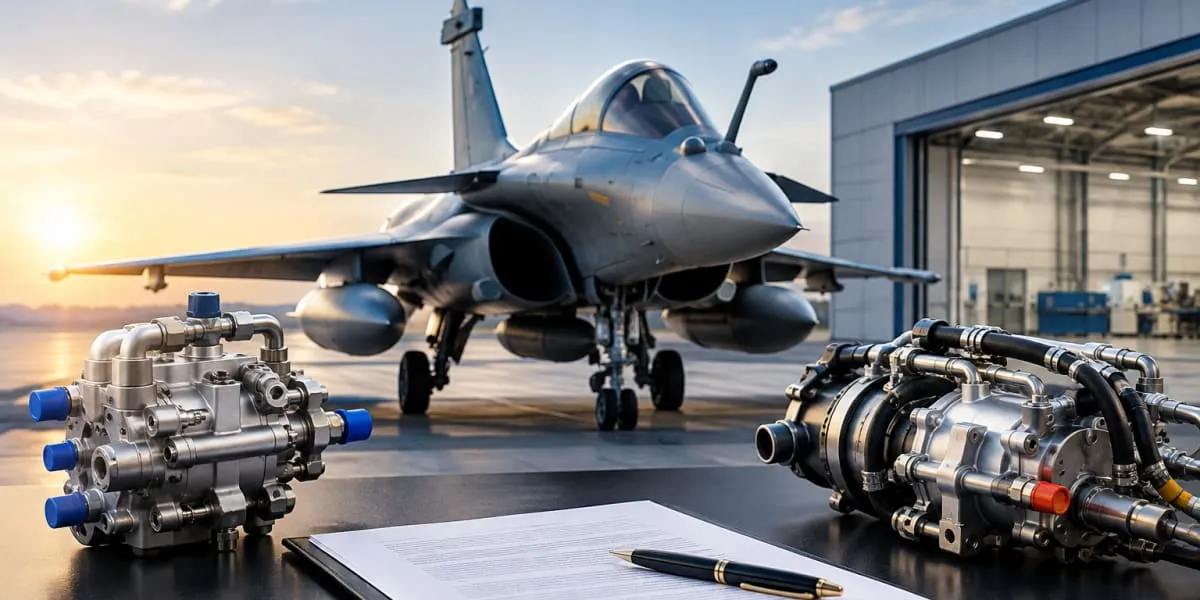
Hical Technologies, Safran to Explore Rafale Systems Joint Venture

Hical Technologies has signed a Memorandum of Understanding (MoU) with Safran Aerosystems to explore establishing a joint venture for manufacturing complex systems for the Dassault Rafale programme in India. The Bengaluru-based precision electromechanical manufacturer said the proposed venture would support the production of advanced equipment for Rafale aircraft delivered under the Make in India initiative. The proposed operations would include complex fluid and fuel systems and related assemblies. The agreement is intended to expand the role of Indian industry in global aerospace and defence..

Advertisement

Subscribe to Our Newsletter

Get daily newsletters around different themes from Construction world.

STAY CONNECTED

Advertisement

SPECIAL OFFER
QR Code