Cityflo Expands Into Delhi NCR And Kolkata, Fleet Tops 1,000
ECONOMY & POLICY

Cityflo Expands Into Delhi NCR And Kolkata, Fleet Tops 1,000

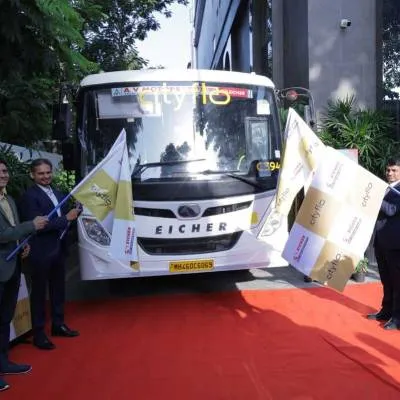
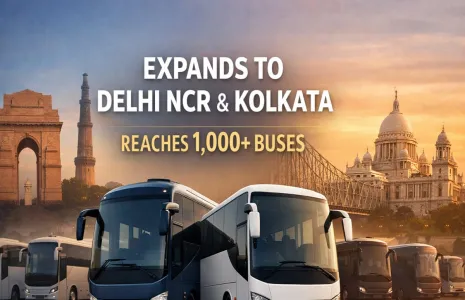
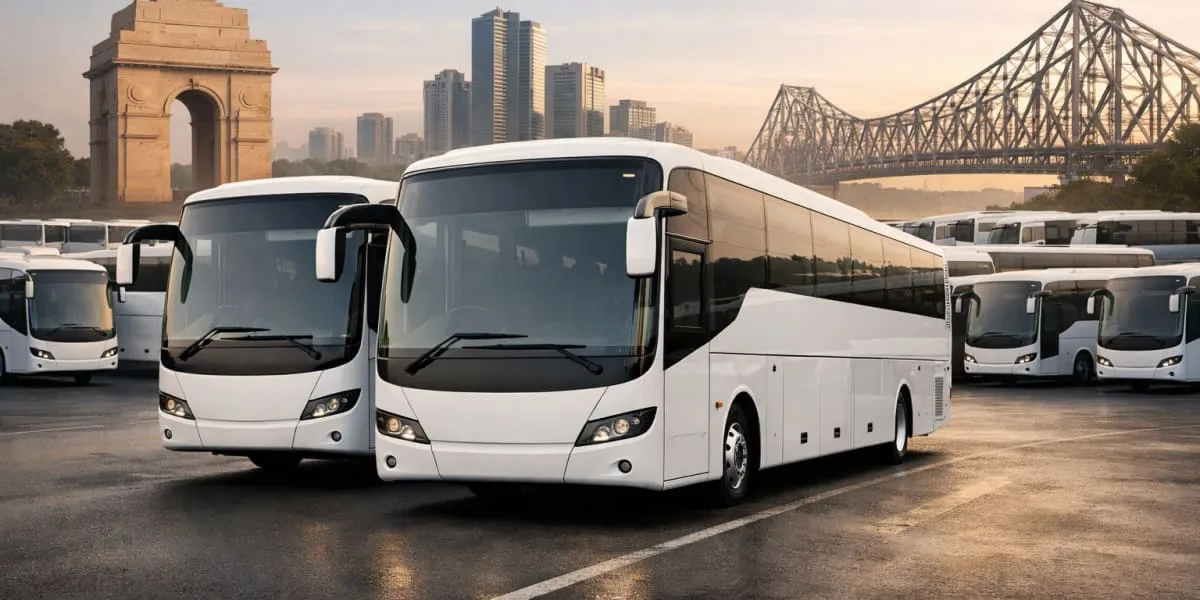
Cityflo has extended its app-based premium bus service to Delhi NCR and Kolkata, deploying more than 200 buses in new corridors and bringing its operational fleet to more than 1,000 buses, a threefold increase from the previous year. The expansion extends the company’s footprint to four major cities: Mumbai, Hyderabad, Delhi NCR and Kolkata. The move comes as the operator positions itself amid instability in the shuttle service sector and rising demand for reliable corporate commute options.

In Delhi NCR Cityflo is deploying over 200 buses across more than 30 new routes connecting residential areas in Delhi, Noida, Faridabad and Gurgaon to commercial destinations including DLF Cyber City and Sohna Road. In Kolkata the company has launched services with 200 buses serving corridors between key residential hubs and commercial districts, notably Sector V and the New Town Business District. The networks are structured around express routing and reserved seating to cater to daily commuters.

The service model emphasises reserved seating, express routes, live customer support and safety protocols, which the company cites as differentiators from public transport and private cars. Cityflo said it serves five million (mn) professionals annually and reported a 50 per cent increase in active daily ridership over the past year, and that its buses collectively replace about one point six million (mn) private car trips each year across operating cities. These metrics are presented as evidence of commuter willingness to adopt shared transit when services are dependable and comfortable.

Cityflo’s leadership indicated that experience in existing markets underpinned the expansion and that the firm plans to deepen route density, broaden corporate partnerships and accelerate a shift to an electric fleet. The longer-term objective is to establish shared transit as the primary commute choice for urban professionals across India’s major metropolises. Cityflo was founded in 2015 by IIT Bombay alumni Jerin Venad, Rushabh Shah, Ankit Agrawal and Sankalp Kelshikar and counts Lightbox Ventures, Chiratae Ventures, India Quotient, Alteria Capital and Anupam Mittal among its investors.

Cityflo has extended its app-based premium bus service to Delhi NCR and Kolkata, deploying more than 200 buses in new corridors and bringing its operational fleet to more than 1,000 buses, a threefold increase from the previous year. The expansion extends the company’s footprint to four major cities: Mumbai, Hyderabad, Delhi NCR and Kolkata. The move comes as the operator positions itself amid instability in the shuttle service sector and rising demand for reliable corporate commute options. In Delhi NCR Cityflo is deploying over 200 buses across more than 30 new routes connecting residential areas in Delhi, Noida, Faridabad and Gurgaon to commercial destinations including DLF Cyber City and Sohna Road. In Kolkata the company has launched services with 200 buses serving corridors between key residential hubs and commercial districts, notably Sector V and the New Town Business District. The networks are structured around express routing and reserved seating to cater to daily commuters. The service model emphasises reserved seating, express routes, live customer support and safety protocols, which the company cites as differentiators from public transport and private cars. Cityflo said it serves five million (mn) professionals annually and reported a 50 per cent increase in active daily ridership over the past year, and that its buses collectively replace about one point six million (mn) private car trips each year across operating cities. These metrics are presented as evidence of commuter willingness to adopt shared transit when services are dependable and comfortable. Cityflo’s leadership indicated that experience in existing markets underpinned the expansion and that the firm plans to deepen route density, broaden corporate partnerships and accelerate a shift to an electric fleet. The longer-term objective is to establish shared transit as the primary commute choice for urban professionals across India’s major metropolises. Cityflo was founded in 2015 by IIT Bombay alumni Jerin Venad, Rushabh Shah, Ankit Agrawal and Sankalp Kelshikar and counts Lightbox Ventures, Chiratae Ventures, India Quotient, Alteria Capital and Anupam Mittal among its investors.

Next Story
Equipment

MYCRANE Crosses 1,000 Customers in India

MYCRANE, the global platform for crane rental and purchase, has achieved major commercial milestones in India, reinforcing the country’s position as one of its fastest-growing strategic markets. The company has surpassed 1,000 registered customers and 1,000 crane suppliers nationwide, while completing more than 100 paid orders.The growth reflects rising adoption of digital procurement solutions across India’s construction, infrastructure, energy and industrial sectors. Equipment sourced through the platform is supporting projects across the country, with several leading contractors and EPC..

Next Story
Infrastructure Urban

AMTOE 2026 Opens Global Machine Tool Sourcing Hub

The Asian Machine Tool Online Exhibition 2026 (AMTOE 2026) has officially opened as a B2B sourcing platform connecting global buyers with verified Asian suppliers across the machine tool and manufacturing sector. The exhibition will run until 31 October 2026 through a hybrid online and offline model, offering extended sourcing and business networking opportunities.Co-organised by AsianNet and TradeAsia, the event aims to strengthen links between Asian manufacturers and international importers while improving cross-border procurement efficiency and supplier matching.Since launching in 2022, AMT..

Next Story
Infrastructure Energy

Vedanta Lifts Renewable Energy Use by Over 50%

On World Earth Day, Vedanta Limited announced that its renewable energy usage rose by over 50 per cent year on year to 3.97 billion units in FY26, helping avoid 3 million tonnes of carbon dioxide emissions.The company said its portfolio of metals, minerals, power, and oil & gas continues to support advanced manufacturing, electrification, energy transition and clean technology. Aluminium, copper and silver remain critical for applications such as mobility, power transmission, renewable infrastructure and solar photovoltaics, while iron, steel and zinc continue to support energy infrastruct..

Advertisement

Subscribe to Our Newsletter

Get daily newsletters around different themes from Construction world.

STAY CONNECTED

Advertisement

Advertisement

Advertisement