
CNG, PNG Prices to Fall from January 2026
ECONOMY & POLICY

CNG, PNG Prices to Fall from January 2026

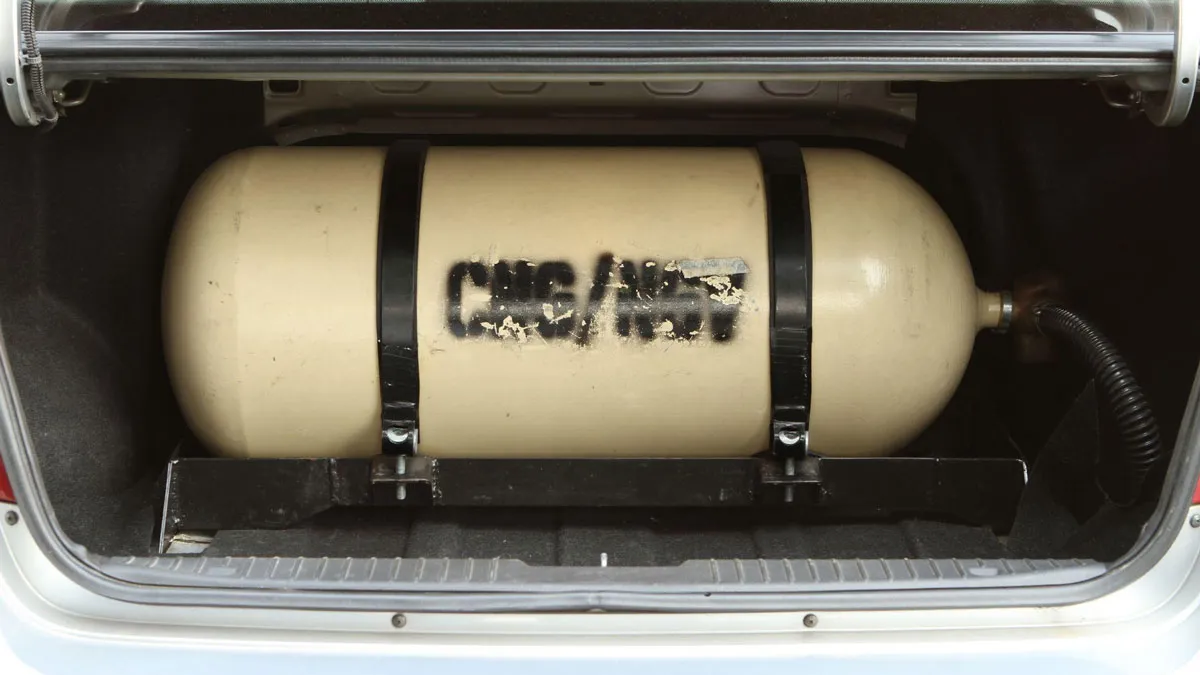
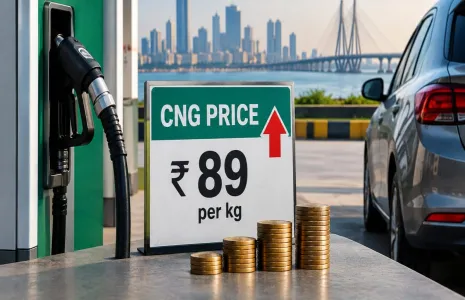
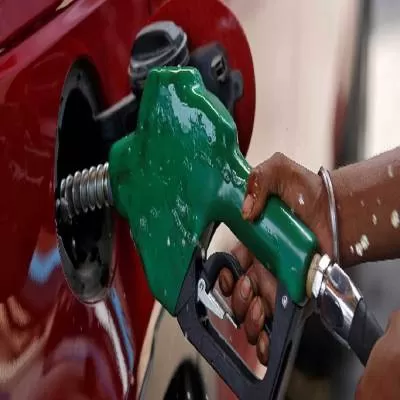
Consumers using Compressed Natural Gas and domestic Piped Natural Gas across India are set to benefit from lower prices starting January 1, 2026, following a move by the Petroleum and Natural Gas Regulatory Board to rationalise gas transportation tariffs. The reduction will come into effect with the implementation of a simplified and unified pipeline tariff structure, which is expected to reduce costs for city gas distribution companies and translate into savings of around Rs 2–3 per unit for consumers, depending on location and applicable taxes.

PNGRB Member A K Tiwari said the regulator has replaced the earlier three-zone, distance-based tariff framework with a two-zone structure to improve uniformity and reduce regional disparities. The previous system, introduced in 2023, resulted in higher transportation tariffs for regions located farther from gas sources. Under the revised structure, the Zone 1 tariff has been fixed at Rs 54 on a pan-India basis for CNG and domestic PNG consumers, compared with earlier rates that went up to Rs 107 in certain regions.

The rationalised tariff structure will benefit consumers across 312 geographical areas served by 40 city gas distribution companies, covering both transport users dependent on CNG and households using PNG for cooking. The PNGRB has directed CGD operators to ensure that the benefit of lower transportation costs is passed on to end consumers, adding that compliance will be closely monitored.

Alongside tariff reforms, the regulator is facilitating the expansion of gas infrastructure nationwide. Licences have been issued to ensure coverage across the country, with participation from public sector undertakings, private players and joint ventures. Several states have also reduced value-added tax on natural gas and simplified permission processes to support faster rollout. With lower prices and expanding infrastructure, the government expects increased adoption of natural gas, with the city gas distribution sector playing a central role in promoting cleaner fuel usage.

Consumers using Compressed Natural Gas and domestic Piped Natural Gas across India are set to benefit from lower prices starting January 1, 2026, following a move by the Petroleum and Natural Gas Regulatory Board to rationalise gas transportation tariffs. The reduction will come into effect with the implementation of a simplified and unified pipeline tariff structure, which is expected to reduce costs for city gas distribution companies and translate into savings of around Rs 2–3 per unit for consumers, depending on location and applicable taxes. PNGRB Member A K Tiwari said the regulator has replaced the earlier three-zone, distance-based tariff framework with a two-zone structure to improve uniformity and reduce regional disparities. The previous system, introduced in 2023, resulted in higher transportation tariffs for regions located farther from gas sources. Under the revised structure, the Zone 1 tariff has been fixed at Rs 54 on a pan-India basis for CNG and domestic PNG consumers, compared with earlier rates that went up to Rs 107 in certain regions. The rationalised tariff structure will benefit consumers across 312 geographical areas served by 40 city gas distribution companies, covering both transport users dependent on CNG and households using PNG for cooking. The PNGRB has directed CGD operators to ensure that the benefit of lower transportation costs is passed on to end consumers, adding that compliance will be closely monitored. Alongside tariff reforms, the regulator is facilitating the expansion of gas infrastructure nationwide. Licences have been issued to ensure coverage across the country, with participation from public sector undertakings, private players and joint ventures. Several states have also reduced value-added tax on natural gas and simplified permission processes to support faster rollout. With lower prices and expanding infrastructure, the government expects increased adoption of natural gas, with the city gas distribution sector playing a central role in promoting cleaner fuel usage.

Next Story
Infrastructure Transport

NHAI gets SEBI nod for Raajmarg Infra InvIT

The National Highways Authority of India (NHAI) has received approval from the Securities and Exchange Board of India for its sponsored Raajmarg Infra Investment Trust (RIIT) to operate as a public Infrastructure Investment Trust (InvIT), marking a key milestone in its asset monetisation programme.The public InvIT is aimed at unlocking value from national highway assets while creating a long-term investment instrument targeted primarily at retail and domestic investors. NHAI said the move would broaden public participation in India’s highway infrastructure growth story and support sustainabl..

Next Story
Infrastructure Transport

Great Nicobar Airport to Boost Defence and Tourism

The government has begun work on a new airport at the southernmost tip of India on Great Nicobar Island, a move expected to significantly strengthen India’s defence preparedness while accelerating tourism-led development in the region, according to official documents accessed by ANI. The proposed airport will enable operations of larger military aircraft and sharply cut response times for defence forces in the Indian Ocean Region, a critical consideration for national security. The nearest major airport, Veer Savarkar International Airport in Port Blair, is located more than 500 kilometres ..

Next Story
Infrastructure Transport

Navi Mumbai Airport Opens for Commercial Operations

After decades of planning, the greenfield Navi Mumbai International Airport (NMIA) is set to commence commercial operations from Thursday, a milestone expected to cut travel time, boost tourism and attract large-scale investment across the Mumbai Metropolitan Region. The City and Industrial Development Corporation (CIDCO), the implementing agency for the project, said the airport will handle 30 air traffic movements, including arrivals and departures, on its first day of operations. The launch is expected to significantly ease congestion at the existing Mumbai international airport while esta..

Advertisement

Subscribe to Our Newsletter

Get daily newsletters around different themes from Construction world.

STAY CONNECTED

Advertisement

Advertisement

Advertisement

Advertisement

Open In App