+
Deepak Parekh confirms HDFC-HDFC Bank merger effective July 1
ECONOMY & POLICY

Deepak Parekh confirms HDFC-HDFC Bank merger effective July 1

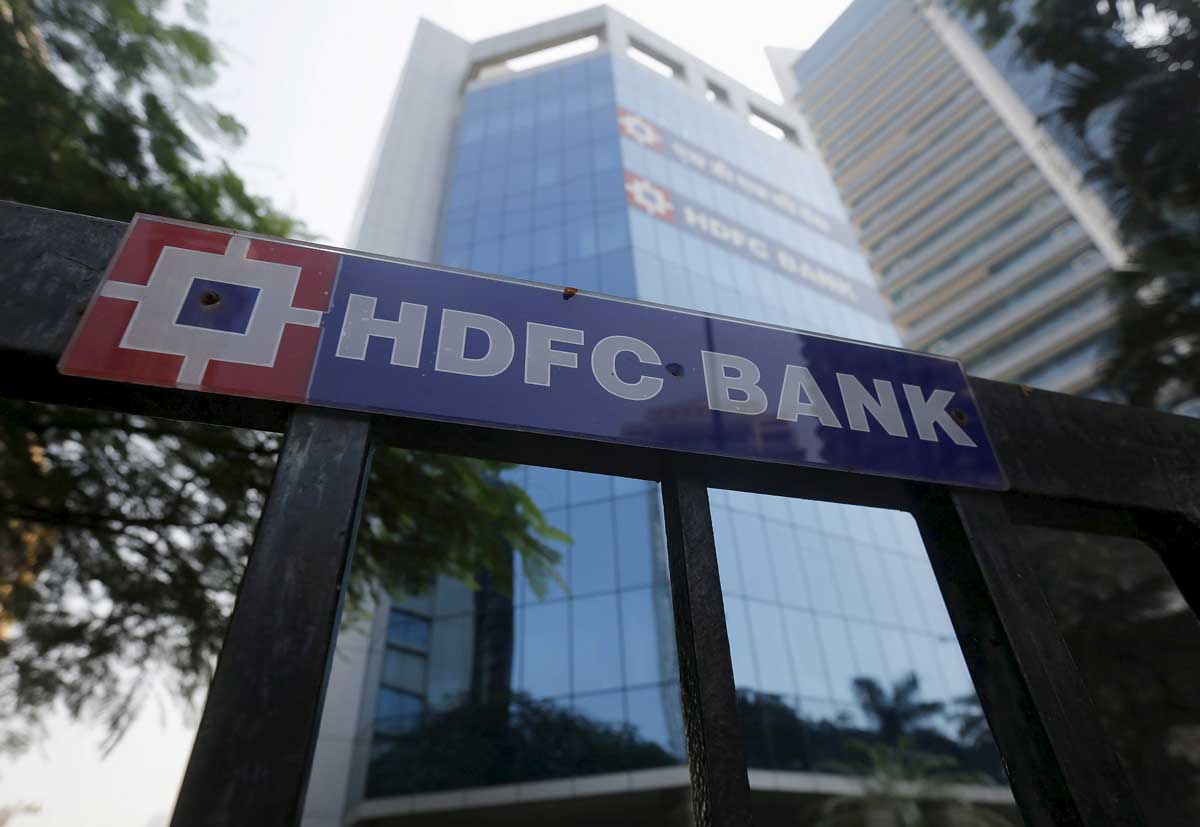
Deepak Parekh, Chairman, HDFC, announced that the boards of HDFC and HDFC Banks would convene after hours on June 30 to proceed with the merger. This decision came after receiving approvals from the necessary regulatory bodies. Parekh further revealed that the effective date of the merger would be July 1. Consequently, starting from July 13, the shares of HDFC would be traded as HDFC Bank shares.

Parekh mentioned that the upcoming meeting on June 30 would serve as HDFC's final board meeting. In April, the Reserve Bank of India had granted selective regulatory relief to HDFC Bank to facilitate a smooth merger process.

This merger marks an unprecedented event in India, as it creates a bank with a value of $168 billion. It will have a significant impact on millions of customers and shareholders associated with both companies, as well as their group insurance and asset management businesses.

As part of the merger, HDFC Bank will allocate 42 new shares for every 25 shares of HDFC. The mortgage lender expressed its intention to time the record date strategically to avoid any gap between the suspension of HDFC shares and the allocation of HDFC Bank shares to its more than 740,000 shareholders.

Pankaj Pandey, the head of research at ICICI Securities, acknowledged HDFC Bank's importance and its prominent position in the banking sector. He stated that portfolio and fund managers would not risk ignoring it. Additionally, Pandey mentioned that even after the merger, HDFC Bank would remain a favorable investment option with substantial growth potential. He added that HDFC Bank's stock currently trades at around 2.5-2.6 times its forward price-to-book value and fails to fully capture its market share gains and growth potential.

Also read:
Government to launch Pan-India Construction Worker
Maha CM lays foundation stone of development works in


Deepak Parekh, Chairman, HDFC, announced that the boards of HDFC and HDFC Banks would convene after hours on June 30 to proceed with the merger. This decision came after receiving approvals from the necessary regulatory bodies. Parekh further revealed that the effective date of the merger would be July 1. Consequently, starting from July 13, the shares of HDFC would be traded as HDFC Bank shares. Parekh mentioned that the upcoming meeting on June 30 would serve as HDFC's final board meeting. In April, the Reserve Bank of India had granted selective regulatory relief to HDFC Bank to facilitate a smooth merger process. This merger marks an unprecedented event in India, as it creates a bank with a value of $168 billion. It will have a significant impact on millions of customers and shareholders associated with both companies, as well as their group insurance and asset management businesses. As part of the merger, HDFC Bank will allocate 42 new shares for every 25 shares of HDFC. The mortgage lender expressed its intention to time the record date strategically to avoid any gap between the suspension of HDFC shares and the allocation of HDFC Bank shares to its more than 740,000 shareholders. Pankaj Pandey, the head of research at ICICI Securities, acknowledged HDFC Bank's importance and its prominent position in the banking sector. He stated that portfolio and fund managers would not risk ignoring it. Additionally, Pandey mentioned that even after the merger, HDFC Bank would remain a favorable investment option with substantial growth potential. He added that HDFC Bank's stock currently trades at around 2.5-2.6 times its forward price-to-book value and fails to fully capture its market share gains and growth potential. Also read: Government to launch Pan-India Construction Worker Maha CM lays foundation stone of development works in

Related Stories

Gold Stories

Next Story
Infrastructure Urban

Infrastructure Opportunity Outlook by IMPACCT.Info

India’s infrastructure pipeline is witnessing dynamic activity across stages — from immediate bidding to future planning. IMPACCT segments these into three categories: Immediate, 3–6 Month, and Future Opportunities, enabling businesses to identify, prepare, and participate in high-value tenders and projects across sectors.To read full article Click Here ..

Next Story
Real Estate

Glass, Reframed!

Glass façades, quintessential aesthetic building envelopes globally, have been widely adopted in India as well. But when the focus is high-performance building systems that deliver energy efficiency, comfort and architectural identity, glass isn’t the only preference. Combination solutions, involving glass and some other material, improve façade outcomes. Some combinations come at comparable prices, some at a higher price. Here is a selection of performance-oriented solutions...To read the full story Click Here ..

Next Story
Infrastructure Urban

Beyond Building Faster

India’s cities are expanding at an unprecedented pace, bringing new infrastructure and development opportunities while also intensifying challenges around mobility, public spaces, liveability and supporting infrastructure. The question, therefore, is not simply whether India can build faster, but whether it can build cities that work better.At a CW webinar, Are We Designing Better Cities – or Just Building Faster?, moderator Ar. Samir Shaikh, Founding Principal, AR&UD Studio, brought together perspectives from design, development, master planning and technology...To read the full artic..

Advertisement

Subscribe to Our Newsletter

Get daily newsletters around different themes from Construction world.

STAY CONNECTED

Advertisement

SPECIAL OFFER
QR Code