Delhi Civic Body Accelerates Village Initiative Projects
ECONOMY & POLICY

Delhi Civic Body Accelerates Village Initiative Projects

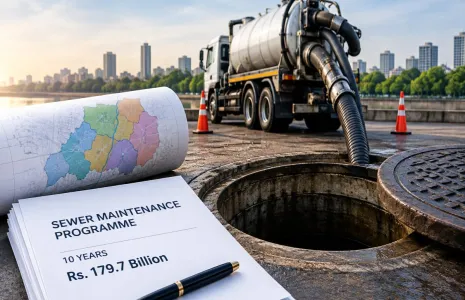
The Delhi Municipal Corporation is accelerating work on several projects under the Village Development Initiative, aimed at improving infrastructure in rural areas of the city. The initiative focuses on enhancing basic amenities and addressing longstanding infrastructural deficits in these regions.

Key projects include the construction of new roads, sewage systems, and water supply networks. Upgrades to community centres and the development of recreational facilities are also part of the initiative. The civic body is working on a fast-track basis to ensure timely completion of these projects, recognizing their importance for the well-being of rural residents.

The Village Development Initiative is a response to the pressing needs of Delhi?s rural areas, where infrastructure has often lagged behind urban developments. By prioritising these projects, the civic body aims to provide equitable development across the city.

Residents in these areas have welcomed the move, expressing optimism that improved infrastructure will enhance their quality of life. The civic body has committed to regular monitoring and consultation with village representatives to ensure that the projects meet the specific needs of each community.

The initiative is part of a broader strategy to balance development across Delhi, addressing the disparities between urban and rural areas. With an emphasis on sustainability and community involvement, the civic body hopes to create a model for rural development that can be replicated elsewhere in the city.

The Delhi Municipal Corporation's push to expedite these projects underscores its dedication to enhancing infrastructure and improving living conditions in all parts of the city, ensuring that rural communities receive the attention and resources they need.

The Delhi Municipal Corporation is accelerating work on several projects under the Village Development Initiative, aimed at improving infrastructure in rural areas of the city. The initiative focuses on enhancing basic amenities and addressing longstanding infrastructural deficits in these regions. Key projects include the construction of new roads, sewage systems, and water supply networks. Upgrades to community centres and the development of recreational facilities are also part of the initiative. The civic body is working on a fast-track basis to ensure timely completion of these projects, recognizing their importance for the well-being of rural residents. The Village Development Initiative is a response to the pressing needs of Delhi?s rural areas, where infrastructure has often lagged behind urban developments. By prioritising these projects, the civic body aims to provide equitable development across the city. Residents in these areas have welcomed the move, expressing optimism that improved infrastructure will enhance their quality of life. The civic body has committed to regular monitoring and consultation with village representatives to ensure that the projects meet the specific needs of each community. The initiative is part of a broader strategy to balance development across Delhi, addressing the disparities between urban and rural areas. With an emphasis on sustainability and community involvement, the civic body hopes to create a model for rural development that can be replicated elsewhere in the city. The Delhi Municipal Corporation's push to expedite these projects underscores its dedication to enhancing infrastructure and improving living conditions in all parts of the city, ensuring that rural communities receive the attention and resources they need.

Next Story
Infrastructure Transport

Railways Boosts Cyber Security And Fairness In Ticket Bookings

Indian Railways has said its reservation ticketing system is a robust and highly secure IT platform equipped with state-of-the-art cyber security measures. The national transporter has introduced several initiatives to enhance system performance and improve access to regular and tatkal tickets. A key step has been the large-scale revalidation and verification of user accounts. Since January 2025, around 30.2 million suspicious user IDs have been deactivated. Anti-bot tools such as Akamai have been deployed to filter non-genuine users, ensuring smoother booking for legitimate passengers. To c..

Next Story
Infrastructure Transport

Indian Railways Speeds Up Green Transition With Wider Electrification

Indian Railways is accelerating its modernisation drive by upgrading infrastructure and rolling stock with advanced technologies aimed at enhancing safety, punctuality, reliability and passenger comfort. A major focus of this effort is the transition to cleaner traction systems, with a significant reduction in the use of coal-based and diesel engines. Electrification has been taken up in mission mode. As of now, 99.2 per cent of the Broad Gauge (BG) network has been electrified, with the remaining routes under execution. During 2014–25, Railways electrified 46,900 route kilometres, compared..

Next Story
Infrastructure Energy

Centre Strengthens Cybersecurity Framework Across India’s Power Sector

The POWERGRID Centre of Excellence (CoE) in Cybersecurity has been established at the Indian Institute of Science (IISc), Bengaluru to advance research and development in cybersecurity for power grid operations and transmission systems. The initiative is part of India’s broader effort to build a resilient and secure power ecosystem. To strengthen cyber readiness across the sector, the Central Electricity Authority (CEA) issued the Cyber Security in Power Sector Guidelines, 2021, creating a comprehensive cyber assurance framework and governance structure for all power entities. Further, the ..

Advertisement

Subscribe to Our Newsletter

Get daily newsletters around different themes from Construction world.

STAY CONNECTED

Advertisement

Advertisement

Advertisement

Advertisement

Open In App