+
Delhi Clears Rs. 17.9 bn Intelligent Traffic System Across 42 Corridors
ECONOMY & POLICY

Delhi Clears Rs. 17.9 bn Intelligent Traffic System Across 42 Corridors

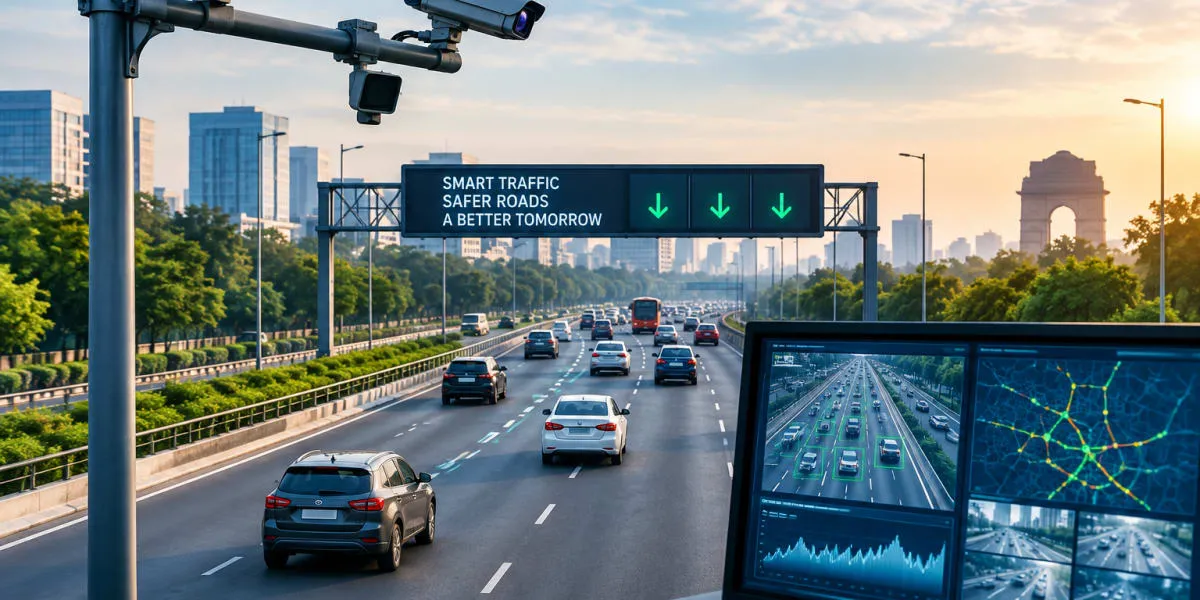
The Cabinet Committee on Economic Affairs has approved an Intelligent Traffic Management System (ITMS) for Delhi, covering 42 traffic corridors at an estimated cost of Rs. 17.9 bn. Delhi Police will implement the project in three phases over 24 months, followed by five years of operations and maintenance.

The system will include 1,092 Adaptive Traffic Control System locations and 1,029 enforcement locations. Work on each phase will proceed after the preceding phase meets specified testing, commissioning and performance requirements. Delhi Police will appoint a Master System Integrator through competitive bidding, while the Centre for Development of Advanced Computing (C-DAC) will provide technical support as the Project Management Consultant.

Adaptive signals will alter timings according to traffic conditions and coordinate operations along selected corridors. The system will use real-time data to identify congestion, slow-moving traffic and road incidents, enabling authorities to manage diversions and respond more quickly. Traffic updates will be displayed through Variable Message Signs and digital platforms, with information also available to navigation service providers.

The ITMS will support priority movement for ambulances and other emergency vehicles through green corridors. Its automated enforcement network will detect red-light and stop-line violations, speeding, wrong-way driving, riding without helmets, driving without seat belts, illegal parking and mobile-phone use while driving. AI-based analysis will assist with identifying stolen, hot-listed and blacklisted vehicles, repeat offenders and vehicles linked to hit-and-run cases.

Traffic Command and Control Centres will form the core of an integrated platform connecting traffic regulation, enforcement and information services. A dedicated Data Centre and Disaster Recovery infrastructure will support the platform, which will use open standards and APIs for future integration. Delhi has 7,100,000 active registered vehicles, with vehicle growth outpacing road expansion, making more efficient use of existing infrastructure a central objective of the project.

The Cabinet Committee on Economic Affairs has approved an Intelligent Traffic Management System (ITMS) for Delhi, covering 42 traffic corridors at an estimated cost of Rs. 17.9 bn. Delhi Police will implement the project in three phases over 24 months, followed by five years of operations and maintenance. The system will include 1,092 Adaptive Traffic Control System locations and 1,029 enforcement locations. Work on each phase will proceed after the preceding phase meets specified testing, commissioning and performance requirements. Delhi Police will appoint a Master System Integrator through competitive bidding, while the Centre for Development of Advanced Computing (C-DAC) will provide technical support as the Project Management Consultant. Adaptive signals will alter timings according to traffic conditions and coordinate operations along selected corridors. The system will use real-time data to identify congestion, slow-moving traffic and road incidents, enabling authorities to manage diversions and respond more quickly. Traffic updates will be displayed through Variable Message Signs and digital platforms, with information also available to navigation service providers. The ITMS will support priority movement for ambulances and other emergency vehicles through green corridors. Its automated enforcement network will detect red-light and stop-line violations, speeding, wrong-way driving, riding without helmets, driving without seat belts, illegal parking and mobile-phone use while driving. AI-based analysis will assist with identifying stolen, hot-listed and blacklisted vehicles, repeat offenders and vehicles linked to hit-and-run cases. Traffic Command and Control Centres will form the core of an integrated platform connecting traffic regulation, enforcement and information services. A dedicated Data Centre and Disaster Recovery infrastructure will support the platform, which will use open standards and APIs for future integration. Delhi has 7,100,000 active registered vehicles, with vehicle growth outpacing road expansion, making more efficient use of existing infrastructure a central objective of the project.

Related Stories

Gold Stories

Next Story
Real Estate

The Energy-Smart Buildings

Passive design is an integral part of energy-efficient architecture. Sophisticated building systems also contribute to this end. But what role do materials play in enhancing a building’s energy-efficiency?“Material selection is one of the earliest opportunities to influence how a building performs,” says Tejbeer Singh, Principal Architect & Founder, Expressionist by Tejbeer Singh. “The objective is not simply to select materials that look appropriate but to understand how they behave within the climate and construction system.”To read the full story Click Here ..
Next Story
Infrastructure Transport

Chandigarh Station: Rebuilt in Motion

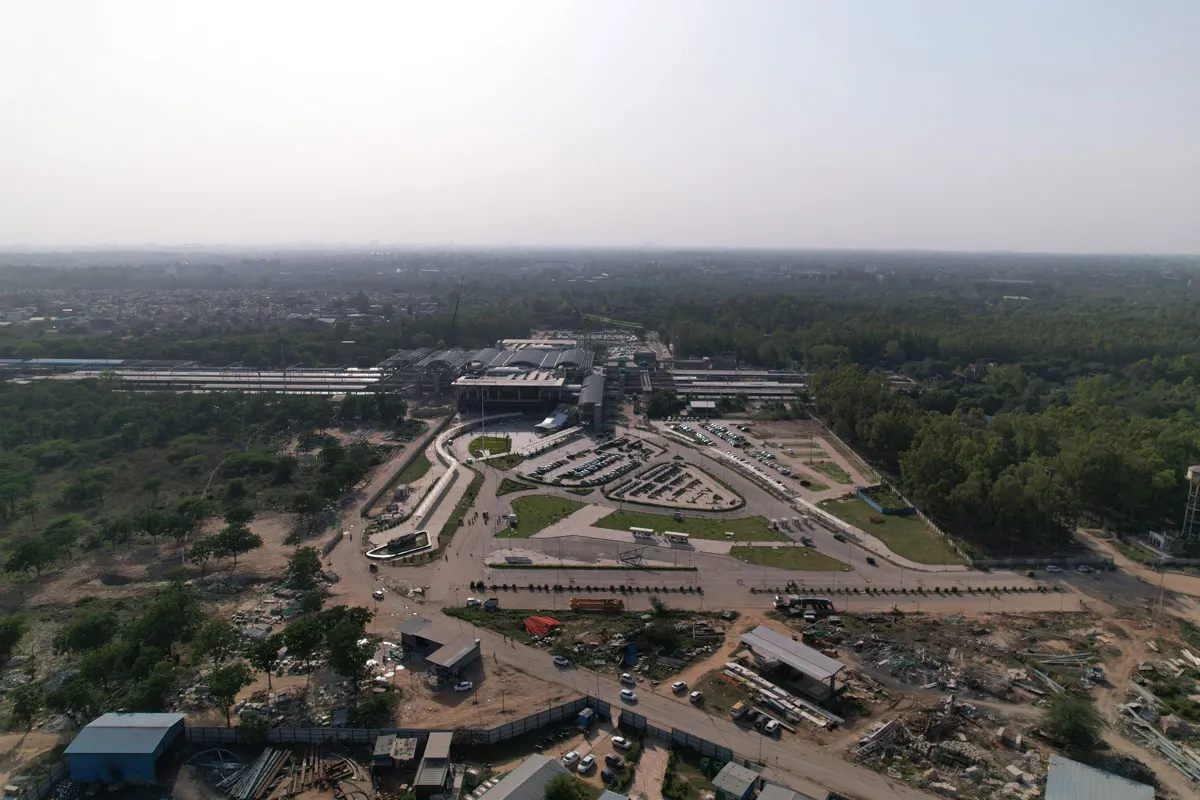
1. REDEVELOPMENT MOVES TO SITERLDA awarded the ₹462-crore EPC package to Ahluwalia Contracts (India) in November 2022, taking the Chandigarh station upgrade from planning to execution. Construction commenced on 11 January 2023, beginning a large-scale transformation of the operational rail hub while train services and passenger movement continued through the site. ..To read the full article Click Here ..

Next Story
Technology

Bentley Systems announces 2026 Year in Infrastructure winners

Bentley Systems has announced the winners of its 2026 Year in Infrastructure Awards, recognising projects that use digital technologies and Bentley software across the infrastructure lifecycle. The awards were presented during the Bentley Systems 2026 Year in Infrastructure Event, held in Singapore on October 6 and 7.More than 300 projects from organisations in 53 countries were nominated this year. Winners were selected across 12 categories by an independent judging panel.The 2026 winners included AYESA Engineering’s Porto Metro 3.0 project in the Bridges and Tunnels category; Pinnacle Futu..

Advertisement

Subscribe to Our Newsletter

Get daily newsletters around different themes from Construction world.

STAY CONNECTED

Advertisement

SPECIAL OFFER
QR Code