+
Delhi moves to gradual unlock phase, Maharashtra extends curbs
ECONOMY & POLICY

Delhi moves to gradual unlock phase, Maharashtra extends curbs

On Friday, the Delhi government decided to slowly unlock the city, making way for construction and factory activities to take place from Monday.

While Maharashtra has extended the lockdown for 15 days, saying that the relaxations could be made in the districts with a low positivity rate.

The Delhi government made the decision after witnessing a consistent reduction in the number of positive cases and infection rate.

In the last 24 hours, Delhi has reported around 1,100 cases and an infection rate of 1.5%. As indicated by Covid-19 India data, the capital saw a rise of 20,000 cases for more than two weeks from mid-April to early May, which peaked at more than 27,000 cases on April 30.

Delhi Chief Minister Arvind Kejriwal told the media that it is the hard work of the 20 million people of Delhi that they have been able to control the second wave within one month.

Kejriwal said that they no longer have any problem in getting beds in hospitals, and even the ICU beds are empty, and the oxygen beds have also been emptied. He said this is the right time to unlock it gradually.

Additionally, he said that the unlock procedure would take place every week based on public and expert opinions and suggestions. Still, if they see a rise in the cases again, the government will stop the unlock procedure, he warned the people, urging them to not step out of their homes unnecessarily.

Rajesh Tope, Health Minister of Maharashtra, told the media that in districts that are seeing a rise in cases or where finding hospital beds is a challenge, there would be no relaxation.

Tope said in the districts with low caseloads, there could be a relaxation in rules. On June 1, a fresh order will be issued by the government. Stores that are selling essential goods in Pune would remain open now, in one such relaxation.

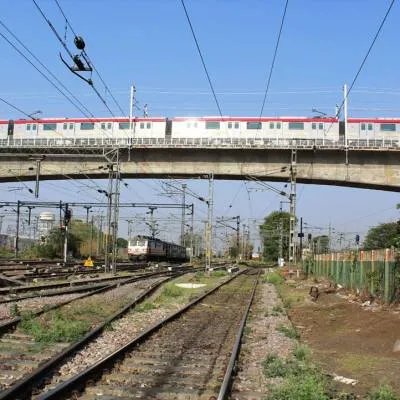
Image Source


Also read: Despite second Covid wave, highway construction at 28 km per day in April

Also read: Govt ensures unhindered rural development amid second wave of Covid

On Friday, the Delhi government decided to slowly unlock the city, making way for construction and factory activities to take place from Monday. While Maharashtra has extended the lockdown for 15 days, saying that the relaxations could be made in the districts with a low positivity rate. The Delhi government made the decision after witnessing a consistent reduction in the number of positive cases and infection rate. In the last 24 hours, Delhi has reported around 1,100 cases and an infection rate of 1.5%. As indicated by Covid-19 India data, the capital saw a rise of 20,000 cases for more than two weeks from mid-April to early May, which peaked at more than 27,000 cases on April 30. Delhi Chief Minister Arvind Kejriwal told the media that it is the hard work of the 20 million people of Delhi that they have been able to control the second wave within one month. Kejriwal said that they no longer have any problem in getting beds in hospitals, and even the ICU beds are empty, and the oxygen beds have also been emptied. He said this is the right time to unlock it gradually. Additionally, he said that the unlock procedure would take place every week based on public and expert opinions and suggestions. Still, if they see a rise in the cases again, the government will stop the unlock procedure, he warned the people, urging them to not step out of their homes unnecessarily. Rajesh Tope, Health Minister of Maharashtra, told the media that in districts that are seeing a rise in cases or where finding hospital beds is a challenge, there would be no relaxation. Tope said in the districts with low caseloads, there could be a relaxation in rules. On June 1, a fresh order will be issued by the government. Stores that are selling essential goods in Pune would remain open now, in one such relaxation. Image Source Also read: Despite second Covid wave, highway construction at 28 km per day in April Also read: Govt ensures unhindered rural development amid second wave of Covid

Related Stories

Gold Stories

Next Story
Infrastructure Urban

Infrastructure Opportunity Outlook by IMPACCT.Info

India’s infrastructure pipeline is witnessing dynamic activity across stages — from immediate bidding to future planning. IMPACCT segments these into three categories: Immediate, 3–6 Month, and Future Opportunities, enabling businesses to identify, prepare, and participate in high-value tenders and projects across sectors.To read full article Click Here ..

Next Story
Real Estate

Glass, Reframed!

Glass façades, quintessential aesthetic building envelopes globally, have been widely adopted in India as well. But when the focus is high-performance building systems that deliver energy efficiency, comfort and architectural identity, glass isn’t the only preference. Combination solutions, involving glass and some other material, improve façade outcomes. Some combinations come at comparable prices, some at a higher price. Here is a selection of performance-oriented solutions...To read the full story Click Here ..

Next Story
Infrastructure Urban

Beyond Building Faster

India’s cities are expanding at an unprecedented pace, bringing new infrastructure and development opportunities while also intensifying challenges around mobility, public spaces, liveability and supporting infrastructure. The question, therefore, is not simply whether India can build faster, but whether it can build cities that work better.At a CW webinar, Are We Designing Better Cities – or Just Building Faster?, moderator Ar. Samir Shaikh, Founding Principal, AR&UD Studio, brought together perspectives from design, development, master planning and technology...To read the full artic..

Advertisement

Subscribe to Our Newsletter

Get daily newsletters around different themes from Construction world.

STAY CONNECTED

Advertisement

SPECIAL OFFER
QR Code