DESIGN 2030 Brings Together India’s Design Minds
ECONOMY & POLICY

DESIGN 2030 Brings Together India’s Design Minds

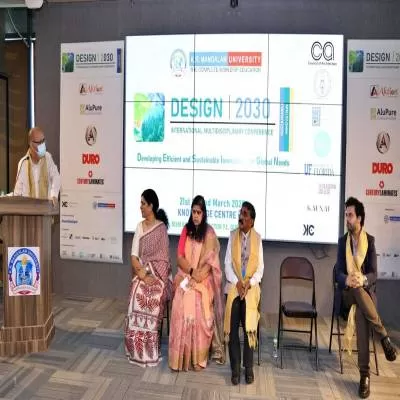
From research to real-world practice, DESIGN 2030 brought together over 100 creative minds to explore what’s next in sustainable design—at Gurugram’s Knowledge Center, a soon-to-be-launched hub for the architecture, design, and construction community. Knowledge Center (KC) at M3M Broadway hosted the two-day DESIGN 2030 International Multidisciplinary Conference, which ended on March 22. Organised by KR Mangalam University’s School of Architecture and Design, the conference brought in more than 80 researchers and professionals from across India and abroad, all sharing their research work focused on the theme: Developing Efficient and Sustainable Innovations for Global Needs. Over the course of the event, architects, designers, sustainability experts, budding architects along with artists came together for thoughtful exchanges and idea-sharing. By 2030, nearly two-thirds of the world’s population will live in cities. Rapid urbanisation has brought with it serious challenges—rising pollution, unplanned sprawl, strained infrastructure, and increased vulnerability to disasters. DESIGN 2030 was created as a space for meaningful dialogue on how to build safer, more sustainable urban futures.

Ankur Jain, Founder-Director of Knowledge Center, said, “In the times we live in, most of us lead demanding work lives and often operate in silos. There’s an urgent need to change that—to make resources tangible, ideas accessible, and conversations meaningful. That’s the core idea behind the Knowledge Center. When we began our conversations with KR Mangalam University, especially with Dr. Tanaya Verma, we discovered a shared understanding of what young architects and designers really need—exposure, thought-provoking sessions, and hands-on engagement. DESIGN 2030 was a natural extension of that shared vision.”

“We’ve been in conversation with Ankur and Colonel Sunil Kumar Sobti (Director, Knowledge Center) for hosting DESIGN 2030 for some time now at Knowledge Center as it resonated with the common aim of providing architects and designers a platform for exploration and interaction. The team at Knowledge Center wanted to build a space where students and architects could connect with real, hands-on resources. What began as a material library has grown into something much bigger—a space that brings together everything a designer or architect needs to bring their ideas to life. It is like a melting pot where everything comes together and creatively boils into a magic potion for the architects and designers. It's a platform for interaction, exposure, and experience—and that is what education is all about. And that is what we have achieved through a very successful DESIGN 2030,” said Prof. Dr. Tanaya Verma, Dean, School of Architecture & Design, KR Mangalam University.

The conference was supported by key partners, including the Council of Architecture (COA), the University of Florida, City College Glasgow, Indian Institute of Architecture (IIA) Haryana Chapter, IIID Delhi Regional Chapter and Studio Tvastra. It opened on March 21 with parallel research sessions exploring topics ranging from climate resilience and inclusive urban design to heritage conservation and adaptive reuse. Speakers spoke not just about emerging tools and time-tested planning principles but also about future challenges, opportunities for architects, the vision for the built environment in 2050. In the afternoon, insightfully curated Knowledge Sessions featured key voices from practice, academia, design, and the larger industry leaders. It included sessions by Ar. Gajanand Ram (Vice President Council of Architecture), Ar. Vivek Logani (Chairman IIA Haryana Chapter), and Mr. Rishu Anand (IIID), followed by expert talks from Ar. Ankon Mitra (architect cum installation artist), Ar. Sanjay Soni and artist Gopal Namjoshi. The first day wrapped with the launch of the exhibition titled, RASA-Remembrance, Art, Space, Architecture showcasing students work. The evening ended with and a lively cultural evening featuring a fashion show.

Day two began with research presentations covering varied topics like hospital disaster preparedness, inclusive fashion, the environmental impact of solar panels, and rural education infrastructure. The spotlight session, Architectural Toolkit for 2050, featured architects Ar. Sanjay Prakash, Ar. Tanmay Tathagat, Ar. Vivek Gupta, and Ar. Vijay Garg in conversation with Prof. Dr. Tanaya Verma in which they discussed the future of sustainable and service-focused built environment. The conference wrapped up with the IIA Haryana Chapter’s handbook launch, sponsor presentations, and a valedictory ceremony.

To break the rhythm of formal sessions, both days featured Insta Talk segments where popular design influencers took the stage to share how they work at the intersection of design, creativity, and digital content. Ankur Ahuja, Siddharth Bhayani, Sonika Khurana Sethi, Anjari Ganguli, Suneet Zishan and Sagar Saoji spoke about their journeys, the growing role of social media in design, and how the industry is shifting. These sessions allowed students and young professionals to hear real experiences and fresh perspectives from people shaping design practice and online conversations.

Dr. Verma emphasised the significance of such a collaboration and how it opens doors for young designers. The conference gave students a rare chance to interact directly with leading voices. “There’s no better opportunity for a student, to be able to meet thought leaders, experience the material first hand, and network. When they come here, they feel the material, see the practice, witness the vision of the future through the research tracks, and see how creative minds and architects are deliberating on it,” she added.

“To see students, educators, architects, and artists all under one roof, exchanging ideas and energy—it confirmed everything we set out to build with the KC. This collaboration with KR Mangalam University has been about creating lasting value, not just for this event but for how design learning and practice can evolve. This is only the start. DESIGN 2030 showed us what’s possible when the whole community comes together,” Ankur Jain added.

As the host, KC proved itself a hub for fresh thinking and collaboration—setting the tone for more such conversations that put impact, equity and sustainability at the centre of design practice.


From research to real-world practice, DESIGN 2030 brought together over 100 creative minds to explore what’s next in sustainable design—at Gurugram’s Knowledge Center, a soon-to-be-launched hub for the architecture, design, and construction community. Knowledge Center (KC) at M3M Broadway hosted the two-day DESIGN 2030 International Multidisciplinary Conference, which ended on March 22. Organised by KR Mangalam University’s School of Architecture and Design, the conference brought in more than 80 researchers and professionals from across India and abroad, all sharing their research work focused on the theme: Developing Efficient and Sustainable Innovations for Global Needs. Over the course of the event, architects, designers, sustainability experts, budding architects along with artists came together for thoughtful exchanges and idea-sharing. By 2030, nearly two-thirds of the world’s population will live in cities. Rapid urbanisation has brought with it serious challenges—rising pollution, unplanned sprawl, strained infrastructure, and increased vulnerability to disasters. DESIGN 2030 was created as a space for meaningful dialogue on how to build safer, more sustainable urban futures. Ankur Jain, Founder-Director of Knowledge Center, said, “In the times we live in, most of us lead demanding work lives and often operate in silos. There’s an urgent need to change that—to make resources tangible, ideas accessible, and conversations meaningful. That’s the core idea behind the Knowledge Center. When we began our conversations with KR Mangalam University, especially with Dr. Tanaya Verma, we discovered a shared understanding of what young architects and designers really need—exposure, thought-provoking sessions, and hands-on engagement. DESIGN 2030 was a natural extension of that shared vision.” “We’ve been in conversation with Ankur and Colonel Sunil Kumar Sobti (Director, Knowledge Center) for hosting DESIGN 2030 for some time now at Knowledge Center as it resonated with the common aim of providing architects and designers a platform for exploration and interaction. The team at Knowledge Center wanted to build a space where students and architects could connect with real, hands-on resources. What began as a material library has grown into something much bigger—a space that brings together everything a designer or architect needs to bring their ideas to life. It is like a melting pot where everything comes together and creatively boils into a magic potion for the architects and designers. It's a platform for interaction, exposure, and experience—and that is what education is all about. And that is what we have achieved through a very successful DESIGN 2030,” said Prof. Dr. Tanaya Verma, Dean, School of Architecture & Design, KR Mangalam University. The conference was supported by key partners, including the Council of Architecture (COA), the University of Florida, City College Glasgow, Indian Institute of Architecture (IIA) Haryana Chapter, IIID Delhi Regional Chapter and Studio Tvastra. It opened on March 21 with parallel research sessions exploring topics ranging from climate resilience and inclusive urban design to heritage conservation and adaptive reuse. Speakers spoke not just about emerging tools and time-tested planning principles but also about future challenges, opportunities for architects, the vision for the built environment in 2050. In the afternoon, insightfully curated Knowledge Sessions featured key voices from practice, academia, design, and the larger industry leaders. It included sessions by Ar. Gajanand Ram (Vice President Council of Architecture), Ar. Vivek Logani (Chairman IIA Haryana Chapter), and Mr. Rishu Anand (IIID), followed by expert talks from Ar. Ankon Mitra (architect cum installation artist), Ar. Sanjay Soni and artist Gopal Namjoshi. The first day wrapped with the launch of the exhibition titled, RASA-Remembrance, Art, Space, Architecture showcasing students work. The evening ended with and a lively cultural evening featuring a fashion show. Day two began with research presentations covering varied topics like hospital disaster preparedness, inclusive fashion, the environmental impact of solar panels, and rural education infrastructure. The spotlight session, Architectural Toolkit for 2050, featured architects Ar. Sanjay Prakash, Ar. Tanmay Tathagat, Ar. Vivek Gupta, and Ar. Vijay Garg in conversation with Prof. Dr. Tanaya Verma in which they discussed the future of sustainable and service-focused built environment. The conference wrapped up with the IIA Haryana Chapter’s handbook launch, sponsor presentations, and a valedictory ceremony. To break the rhythm of formal sessions, both days featured Insta Talk segments where popular design influencers took the stage to share how they work at the intersection of design, creativity, and digital content. Ankur Ahuja, Siddharth Bhayani, Sonika Khurana Sethi, Anjari Ganguli, Suneet Zishan and Sagar Saoji spoke about their journeys, the growing role of social media in design, and how the industry is shifting. These sessions allowed students and young professionals to hear real experiences and fresh perspectives from people shaping design practice and online conversations. Dr. Verma emphasised the significance of such a collaboration and how it opens doors for young designers. The conference gave students a rare chance to interact directly with leading voices. “There’s no better opportunity for a student, to be able to meet thought leaders, experience the material first hand, and network. When they come here, they feel the material, see the practice, witness the vision of the future through the research tracks, and see how creative minds and architects are deliberating on it,” she added. “To see students, educators, architects, and artists all under one roof, exchanging ideas and energy—it confirmed everything we set out to build with the KC. This collaboration with KR Mangalam University has been about creating lasting value, not just for this event but for how design learning and practice can evolve. This is only the start. DESIGN 2030 showed us what’s possible when the whole community comes together,” Ankur Jain added. As the host, KC proved itself a hub for fresh thinking and collaboration—setting the tone for more such conversations that put impact, equity and sustainability at the centre of design practice.
Next Story
Technology

AI-Enabled Workflows Lift Profitability and Productivity

Organisations modernising frontline workflows with artificial intelligence, automation and real-time data are reporting stronger financial performance, higher productivity and improved employee engagement, according to a global study by Zebra Technologies and Oxford Economics.The research covered 1,000 senior leaders across retail, manufacturing, transportation and logistics in the US, Mexico, the UK, Germany, India, Japan, Australia and New Zealand.In transportation and logistics, 54 per cent of companies that improved picking and packing operations reported faster operational performance, wh..

Next Story
Real Estate

India Leads Global AI Readiness but Implementation Lags

Indian companies lead global averages across all eight artificial intelligence readiness indicators tracked by JLL, but only 19 per cent have started making changes to their workplaces, according to the JLL 2026 Future of Work Survey.The study found that 77 per cent of Indian business leaders expect AI to change their office requirements, creating a 58-percentage-point gap between awareness and implementation. The survey covered more than 2,200 CEOs, CFOs and real estate leaders across 21 countries during the first quarter of 2026.Despite concerns over automation, 58 per cent of Indian leaders..

Next Story
Equipment

Three WOLFF Cranes Build Riyadh Cable-Stayed Bridges

Three WOLFF 180 B luffing jib cranes are supporting the construction of two cable-stayed bridges alongside the existing Wadi Laban Bridge in Riyadh, Saudi Arabia. The project is being developed for the Royal Commission for Riyadh City and executed by the ICRC joint venture comprising IC Ictas and Al Rashid Trading & Contracting Company.The cranes are handling lifting operations including formwork, reinforcement, concrete placement, work platforms, surveying equipment and other construction materials. Each crane is fitted with a 40 m jib, reaches a hook height of 157 m and offers a maximum ..

Advertisement

Subscribe to Our Newsletter

Get daily newsletters around different themes from Construction world.

STAY CONNECTED

Advertisement

Advertisement

Advertisement