


+
Dutch may allocate ? 3 bn to Tata Steel cleanup
ECONOMY & POLICY

Dutch may allocate ? 3 bn to Tata Steel cleanup

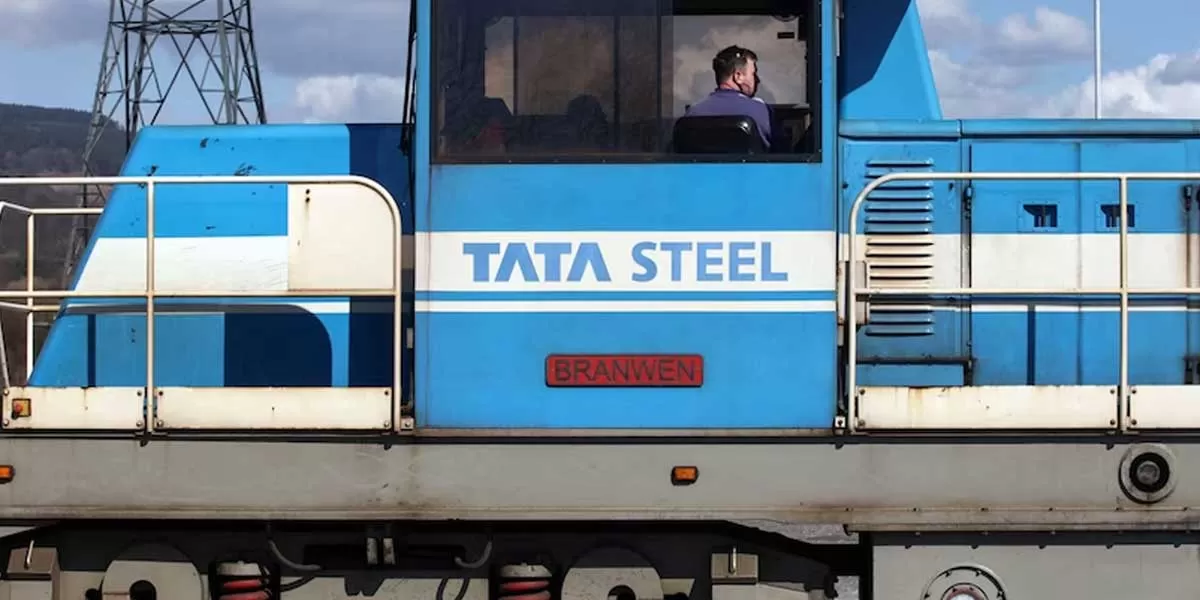
The Netherlands was considering contributing up to ?3 billion for the green transformation of Tata Steel?s IJmuiden factory, which had caused serious health and environmental problems in the surrounding area.

The Dutch parliament approved providing subsidies to the company to accelerate the renovation, although the exact amount remained unspecified. A spokesperson for the Dutch Ministry of Economic Affairs and Climate stated that external consultants estimated the subsidies could reach ?3 billion.

The factory, which was Europe?s second-largest steel plant and one of the Netherlands? top industrial employers, had been associated with elevated lung cancer rates and reduced life expectancy in the local area. Additionally, it had faced multiple fines for emitting toxic raw cokes, which are essential ingredients in steel production and are made by heating coal in the absence of air.

Negotiations with Tata Steel to finalise the funding agreement had commenced, but the process was confidential. The ministry spokesperson mentioned that they couldn?t comment on the financial size of the subsidy at that moment.

Tata Steel spokesman Peter van Boesschoten expressed the company's satisfaction with the Dutch parliament's broad support for making the steelworks more sustainable. However, the company refrained from disclosing the exact subsidy amount.

Van Boesschoten stated, ?Apart from the money we will put in our Green Steel plan ourselves, we will need government support, just like our competitors in Germany, Belgium, and France, to establish a European level playing field as much as possible.?

The hazardous emissions from Tata Steel?s Dutch plant had been a contentious issue for some time. However, cleaning up the plant required expensive upgrades. The government had adopted a lenient approach to regulation for many years, fearing that intervention could lead to the loss of thousands of jobs.

The Netherlands was considering contributing up to ?3 billion for the green transformation of Tata Steel?s IJmuiden factory, which had caused serious health and environmental problems in the surrounding area. The Dutch parliament approved providing subsidies to the company to accelerate the renovation, although the exact amount remained unspecified. A spokesperson for the Dutch Ministry of Economic Affairs and Climate stated that external consultants estimated the subsidies could reach ?3 billion. The factory, which was Europe?s second-largest steel plant and one of the Netherlands? top industrial employers, had been associated with elevated lung cancer rates and reduced life expectancy in the local area. Additionally, it had faced multiple fines for emitting toxic raw cokes, which are essential ingredients in steel production and are made by heating coal in the absence of air. Negotiations with Tata Steel to finalise the funding agreement had commenced, but the process was confidential. The ministry spokesperson mentioned that they couldn?t comment on the financial size of the subsidy at that moment. Tata Steel spokesman Peter van Boesschoten expressed the company's satisfaction with the Dutch parliament's broad support for making the steelworks more sustainable. However, the company refrained from disclosing the exact subsidy amount. Van Boesschoten stated, ?Apart from the money we will put in our Green Steel plan ourselves, we will need government support, just like our competitors in Germany, Belgium, and France, to establish a European level playing field as much as possible.? The hazardous emissions from Tata Steel?s Dutch plant had been a contentious issue for some time. However, cleaning up the plant required expensive upgrades. The government had adopted a lenient approach to regulation for many years, fearing that intervention could lead to the loss of thousands of jobs.

Related Stories

Gold Stories

Next Story
Infrastructure Urban

Infrastructure Opportunity Outlook by IMPACCT.Info

India’s infrastructure pipeline is witnessing dynamic activity across stages — from immediate bidding to future planning. IMPACCT segments these into three categories: Immediate, 3–6 Month, and Future Opportunities, enabling businesses to identify, prepare, and participate in high-value tenders and projects across sectors.To read full article Click Here ..

Next Story
Real Estate

Glass, Reframed!

Glass façades, quintessential aesthetic building envelopes globally, have been widely adopted in India as well. But when the focus is high-performance building systems that deliver energy efficiency, comfort and architectural identity, glass isn’t the only preference. Combination solutions, involving glass and some other material, improve façade outcomes. Some combinations come at comparable prices, some at a higher price. Here is a selection of performance-oriented solutions...To read the full story Click Here ..

Next Story
Infrastructure Urban

Beyond Building Faster

India’s cities are expanding at an unprecedented pace, bringing new infrastructure and development opportunities while also intensifying challenges around mobility, public spaces, liveability and supporting infrastructure. The question, therefore, is not simply whether India can build faster, but whether it can build cities that work better.At a CW webinar, Are We Designing Better Cities – or Just Building Faster?, moderator Ar. Samir Shaikh, Founding Principal, AR&UD Studio, brought together perspectives from design, development, master planning and technology...To read the full artic..

Advertisement

Subscribe to Our Newsletter

Get daily newsletters around different themes from Construction world.

STAY CONNECTED

Advertisement

SPECIAL OFFER
QR Code