Exide Balances Lead Acid And Lithium Ion For India Energy Transition
ECONOMY & POLICY

Exide Balances Lead Acid And Lithium Ion For India Energy Transition

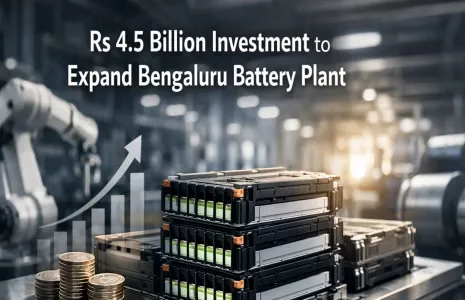
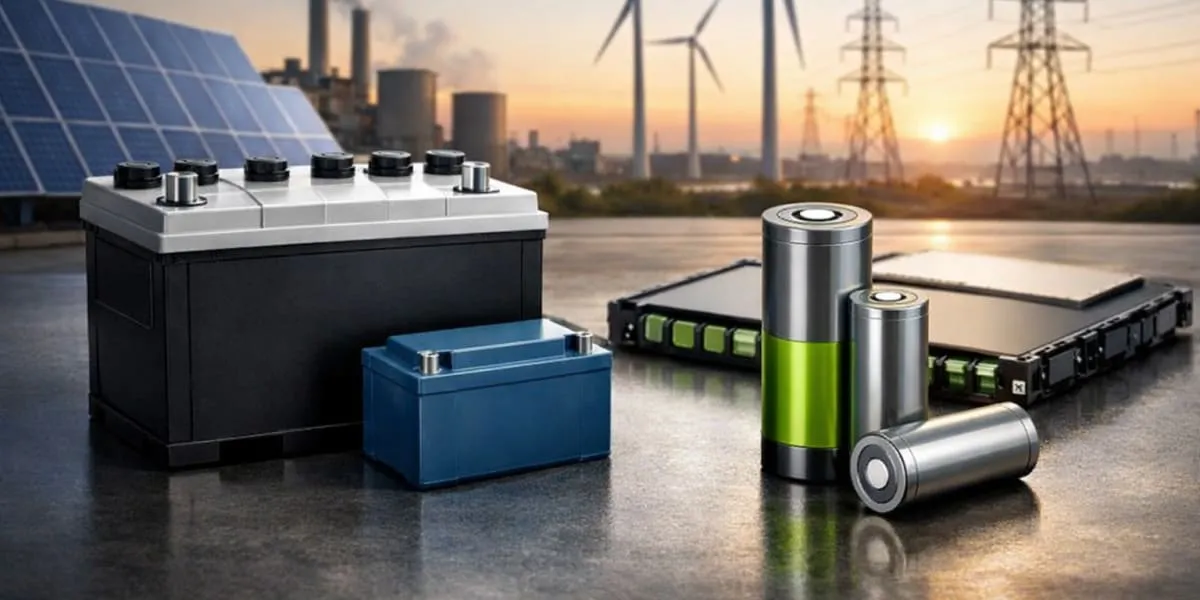
Exide Industries is positioning itself for India's energy transition through a calibrated expansion into lithium-ion cell manufacturing while retaining confidence in the long-term relevance of its core lead acid battery business. Chairman Sridhar Gorthi said in the annual report that investment in Exide Energy Solutions Limited (EESL) should be viewed as a long-term strategic move to build domestic lithium-ion manufacturing capability. He noted that lead acid technologies will remain relevant across several established use cases.

Gorthi said that lithium-ion technologies are expected to gain share in mobility and energy storage segments where their performance characteristics are best suited, and that the board views the EESL investment as a measured, long-term capital allocation decision. The company will continue to focus on product quality, customer validation, localisation, operating discipline and return on capital while balancing the need to preserve the cash generating strength of the core business and selectively invest for future growth.

Management highlighted that Exide remained debt free despite continued investments in future technologies, supported by strong liquidity and cash generation that enabled strategic moves through internal accruals. Managing Director and Chief Executive Officer Avik Roy described FY26 as a year of disciplined execution amid geopolitical uncertainty, commodity and currency volatility, technology shifts and uneven demand. Priorities during the year included delivering steady performance in core businesses, sharpening execution and building long term capabilities.

The management discussion and analysis said the solar business crossed Rs 10 billion (bn) in revenue during FY26, reflecting growing opportunities in renewable energy solutions. The report outlined EESL's engagement with original equipment manufacturers across two wheeler, three wheeler, passenger vehicle and stationary energy storage segments as the company pursues lithium-ion ambitions. It cited industry estimates that India's lithium-ion battery demand could rise to 140-150 GWh by 2030 from about 20 GWh, with electric vehicles expected to account for 60-70 per cent of demand.

"Join industry leaders at RAHSTA Expo, India's premier platform for roads, highways and traffic infrastructure. Register now to explore innovations, network with experts and shape the future of mobility."

Exide Industries is positioning itself for India's energy transition through a calibrated expansion into lithium-ion cell manufacturing while retaining confidence in the long-term relevance of its core lead acid battery business. Chairman Sridhar Gorthi said in the annual report that investment in Exide Energy Solutions Limited (EESL) should be viewed as a long-term strategic move to build domestic lithium-ion manufacturing capability. He noted that lead acid technologies will remain relevant across several established use cases. Gorthi said that lithium-ion technologies are expected to gain share in mobility and energy storage segments where their performance characteristics are best suited, and that the board views the EESL investment as a measured, long-term capital allocation decision. The company will continue to focus on product quality, customer validation, localisation, operating discipline and return on capital while balancing the need to preserve the cash generating strength of the core business and selectively invest for future growth. Management highlighted that Exide remained debt free despite continued investments in future technologies, supported by strong liquidity and cash generation that enabled strategic moves through internal accruals. Managing Director and Chief Executive Officer Avik Roy described FY26 as a year of disciplined execution amid geopolitical uncertainty, commodity and currency volatility, technology shifts and uneven demand. Priorities during the year included delivering steady performance in core businesses, sharpening execution and building long term capabilities. The management discussion and analysis said the solar business crossed Rs 10 billion (bn) in revenue during FY26, reflecting growing opportunities in renewable energy solutions. The report outlined EESL's engagement with original equipment manufacturers across two wheeler, three wheeler, passenger vehicle and stationary energy storage segments as the company pursues lithium-ion ambitions. It cited industry estimates that India's lithium-ion battery demand could rise to 140-150 GWh by 2030 from about 20 GWh, with electric vehicles expected to account for 60-70 per cent of demand.

Next Story
Infrastructure Energy

Centre Prioritising Energy Security With Coal Gasification

Union minister for Coal and Mines G Kishan Reddy said the Centre is prioritising energy security through a strategic shift to coal gasification and has announced incentives totalling Rs 460 billion (bn) to support the effort. He said more than 35 companies will start coal gasification activities in India within two months and that the government is encouraging firms that bring technology to close the domestic technology gap. The minister described the initiative as aimed at reducing import dependence and developing indigenous capacity. India has the fifth-largest coal reserve in the world, and..

Next Story
Infrastructure Urban

BHEL and Coal India Invest Rs 250 bn in Odisha Gasification

Bharat Heavy Electricals (BHEL) and Coal India (CIL) are jointly investing Rs 250 billion in a coal gasification project in Odisha, with the Prime Minister laying the foundation stone in Jharsuguda. Union Coal and Mines Minister G Kishan Reddy described the initiative as a transformative shift in coal utilisation that will open industrial avenues for the state. The project moves coal beyond conventional power generation to industrial feedstocks. Coal gasification will convert coal into synthesis gas, a versatile feedstock for chemicals, fertilisers and synthetic fuels, and the technology is ex..

Next Story
Infrastructure Energy

BCCL Hands Over Dugdha Coal Washery To JSW Steel

Bharat Coking Coal has handed over the Dugdha Coal Washery to JSW Steel, marking the first coal washery asset monetisation under the Ministry of Coal's asset monetisation programme. The handover took place in the presence of senior officials from Bharat Coking Coal Ltd, JSW Steel and JSW Energy. The washery has a capacity of two million tonnes per annum (mn t per annum), and its transfer is intended to introduce private sector practices into coal beneficiation operations. The monetisation is aimed at modernising coal sector assets, improving operational efficiency and enhancing resource utilis..

Advertisement

Subscribe to Our Newsletter

Get daily newsletters around different themes from Construction world.

STAY CONNECTED

Advertisement

Advertisement

Advertisement