Experts Urge BEST to Invest in Own Buses for Enhanced Service
ECONOMY & POLICY

Experts Urge BEST to Invest in Own Buses for Enhanced Service

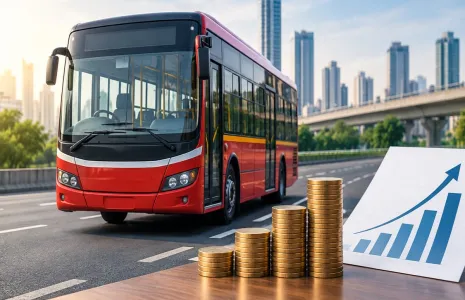
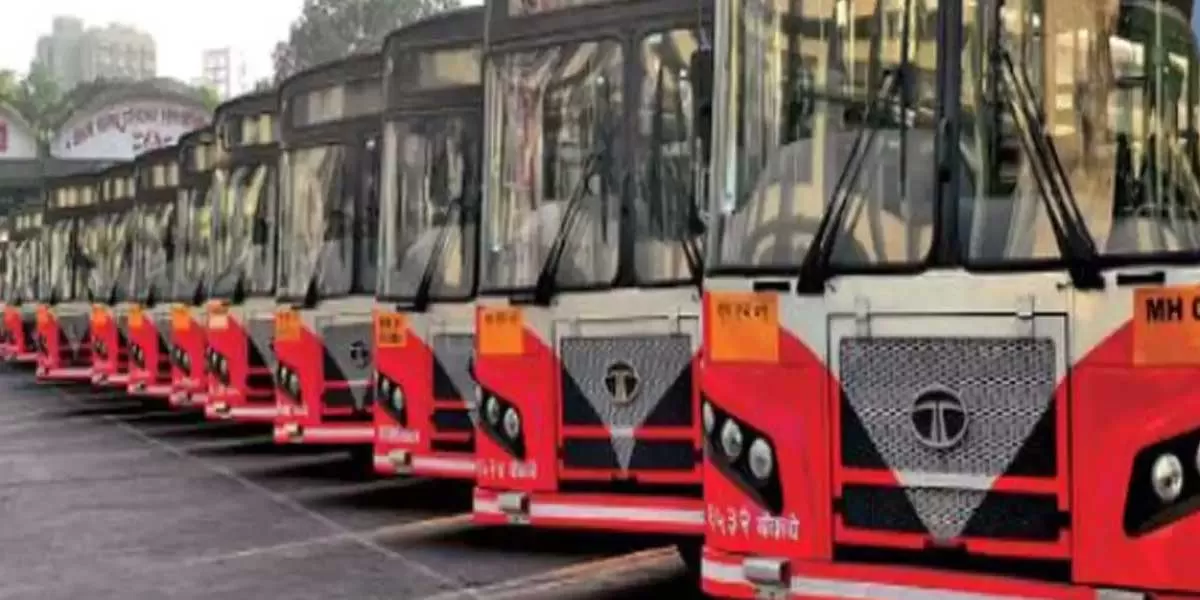
Transport experts recommend that the Brihanmumbai Electric Supply and Transport (BEST) urgently purchase its own buses to enhance the city's public transportation system. Currently, BEST relies heavily on contracted buses, which experts argue compromises service quality and reliability. The call for this shift comes amid ongoing discussions about how to improve Mumbai?s public transport amid rising passenger complaints and operational challenges.

Experts highlight that owning a fleet allows for better maintenance, flexibility in route management, and ensures buses meet specific service standards. This approach contrasts with the current reliance on private contractors, where control over vehicle conditions and driver training is limited. A proprietary fleet would enable BEST to implement stricter quality controls, regular maintenance schedules, and quicker response times to issues, ultimately leading to a more reliable and user-friendly service.

The urgency is underscored by the increasing demand for efficient and dependable public transport as Mumbai?s population continues to grow. Experts argue that investing in a dedicated fleet could significantly reduce operational disruptions and improve commuter satisfaction. Additionally, the move is seen as essential for future-proofing the city's transport infrastructure against rising urban mobility demands.

By acquiring its own buses, BEST can directly manage and optimise the fleet, ensuring higher service standards and better adaptability to commuter needs. This shift is crucial for sustaining and improving Mumbai's urban transport system in the long term.

Transport experts recommend that the Brihanmumbai Electric Supply and Transport (BEST) urgently purchase its own buses to enhance the city's public transportation system. Currently, BEST relies heavily on contracted buses, which experts argue compromises service quality and reliability. The call for this shift comes amid ongoing discussions about how to improve Mumbai?s public transport amid rising passenger complaints and operational challenges. Experts highlight that owning a fleet allows for better maintenance, flexibility in route management, and ensures buses meet specific service standards. This approach contrasts with the current reliance on private contractors, where control over vehicle conditions and driver training is limited. A proprietary fleet would enable BEST to implement stricter quality controls, regular maintenance schedules, and quicker response times to issues, ultimately leading to a more reliable and user-friendly service. The urgency is underscored by the increasing demand for efficient and dependable public transport as Mumbai?s population continues to grow. Experts argue that investing in a dedicated fleet could significantly reduce operational disruptions and improve commuter satisfaction. Additionally, the move is seen as essential for future-proofing the city's transport infrastructure against rising urban mobility demands. By acquiring its own buses, BEST can directly manage and optimise the fleet, ensuring higher service standards and better adaptability to commuter needs. This shift is crucial for sustaining and improving Mumbai's urban transport system in the long term.

Next Story
Infrastructure Transport

Bhogapuram Airport Set For Take Off After Licence Issued

Union Civil Aviation Minister Kinjarapu Ram Mohan Naidu announced that Alluri Sitharama Raju Bhogapuram International Airport has achieved 100 per cent completion following issuance of its aerodrome licence by the Ministry of Civil Aviation after an inspection with public representatives, district officials and GMR Group representatives. The licence was granted after extensive verification over the past month to ensure that safety and operational standards were met. The Chief Minister's Office has already contacted the Prime Minister's Office to finalise an inauguration date and commercial fli..

Next Story
Infrastructure Urban

Auto Sector To Grow 22-24 Per Cent In Q1 FY27

Credit Rating Information Services of India (Crisil) estimated that India's automobile sector is expected to report revenue growth of 22-24 per cent year-on-year in the first quarter of FY27 and to be among the largest contributors to corporate revenue growth in the quarter. The agency estimated overall corporate revenue to have grown 11-11.5 per cent year-on-year in the quarter ended 30 June 2026, the fastest pace in two years despite supply chain disruptions and higher input costs from the West Asia conflict. This compared with growth of 9.6 per cent in the preceding quarter. Crisil said the..

Next Story
Infrastructure Urban

Nomura Sees Q1 Pressure On Cement Margins; Backs Major Players

Nomura said cement margins will be under pressure in the June quarter as fuel and packaging costs rose, although volume growth is expected to remain healthy. The brokerage forecast six to seven per cent year-on-year organic volume growth for the Indian cement industry in the period, with Shree Cement identified as likely to post the highest growth at 15 per cent year-on-year. It noted that the West and North regions outperformed on pricing, aiding companies with greater exposure in those markets. Average trade prices improved three per cent sequentially to around Rs 326 per bag after price inc..

Advertisement

Subscribe to Our Newsletter

Get daily newsletters around different themes from Construction world.

STAY CONNECTED

Advertisement

Advertisement

Advertisement