FISME Hails Flexible Incentive Mechanism In Gujarat Industrial Policy
ECONOMY & POLICY

FISME Hails Flexible Incentive Mechanism In Gujarat Industrial Policy

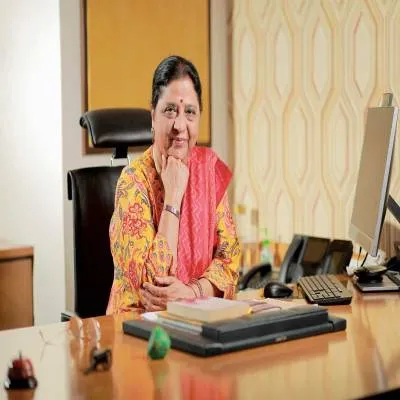
The Federation of Indian Micro and Small and Medium Enterprises (FISME) welcomed the new Gujarat Industrial Policy 2026 and hailed its flexible incentive mechanism as a positive step for the sector. The organisation said the approach to tailor support to company size, sectoral needs and project viability will improve access to benefits for micro and small enterprises across the state. It added that clearer eligibility criteria and discretionary components could reduce mismatches between policy intent and ground realities while allowing rapid approval for viable proposals.

The policy's emphasis on performance linked incentives and regional parity was described by industry representatives as conducive to balanced industrial expansion across the state. Officials have introduced digital application routes and a single window to streamline approvals and reduce compliance burdens for smaller firms. Stakeholders also welcomed incentives aimed at encouraging value added manufacturing and exports from Gujarat's small enterprise base.

FISME welcomed provisions focused on skills development, technology adoption and cluster support, saying these elements are important for the competitiveness of small units. The association noted that encouraging linkages between micro suppliers and larger buyers could strengthen supply chains and create stable demand for local manufacturers. It added that measures which incentivise clean technologies and energy efficiency would support long term sustainability and help enterprises manage operating costs.

The trade body said it will work with the state government to refine implementation guidelines and to organise targeted outreach so that potential beneficiaries can navigate the scheme effectively. It urged clarity on timelines, transparent disbursement mechanisms and capacity building at district level to ensure equitable uptake in rural and urban areas. FISME also offered to assist with training and feedback loops during the roll out to help translate the policy into tangible investment and employment gains.

"Join industry leaders at RAHSTA Expo, India's premier platform for roads, highways and traffic infrastructure. Register now to explore innovations, network with experts and shape the future of mobility."

The Federation of Indian Micro and Small and Medium Enterprises (FISME) welcomed the new Gujarat Industrial Policy 2026 and hailed its flexible incentive mechanism as a positive step for the sector. The organisation said the approach to tailor support to company size, sectoral needs and project viability will improve access to benefits for micro and small enterprises across the state. It added that clearer eligibility criteria and discretionary components could reduce mismatches between policy intent and ground realities while allowing rapid approval for viable proposals. The policy's emphasis on performance linked incentives and regional parity was described by industry representatives as conducive to balanced industrial expansion across the state. Officials have introduced digital application routes and a single window to streamline approvals and reduce compliance burdens for smaller firms. Stakeholders also welcomed incentives aimed at encouraging value added manufacturing and exports from Gujarat's small enterprise base. FISME welcomed provisions focused on skills development, technology adoption and cluster support, saying these elements are important for the competitiveness of small units. The association noted that encouraging linkages between micro suppliers and larger buyers could strengthen supply chains and create stable demand for local manufacturers. It added that measures which incentivise clean technologies and energy efficiency would support long term sustainability and help enterprises manage operating costs. The trade body said it will work with the state government to refine implementation guidelines and to organise targeted outreach so that potential beneficiaries can navigate the scheme effectively. It urged clarity on timelines, transparent disbursement mechanisms and capacity building at district level to ensure equitable uptake in rural and urban areas. FISME also offered to assist with training and feedback loops during the roll out to help translate the policy into tangible investment and employment gains.

Next Story
Infrastructure Energy

Centre Prioritising Energy Security With Coal Gasification

Union minister for Coal and Mines G Kishan Reddy said the Centre is prioritising energy security through a strategic shift to coal gasification and has announced incentives totalling Rs 460 billion (bn) to support the effort. He said more than 35 companies will start coal gasification activities in India within two months and that the government is encouraging firms that bring technology to close the domestic technology gap. The minister described the initiative as aimed at reducing import dependence and developing indigenous capacity. India has the fifth-largest coal reserve in the world, and..

Next Story
Infrastructure Urban

BHEL and Coal India Invest Rs 250 bn in Odisha Gasification

Bharat Heavy Electricals (BHEL) and Coal India (CIL) are jointly investing Rs 250 billion in a coal gasification project in Odisha, with the Prime Minister laying the foundation stone in Jharsuguda. Union Coal and Mines Minister G Kishan Reddy described the initiative as a transformative shift in coal utilisation that will open industrial avenues for the state. The project moves coal beyond conventional power generation to industrial feedstocks. Coal gasification will convert coal into synthesis gas, a versatile feedstock for chemicals, fertilisers and synthetic fuels, and the technology is ex..

Next Story
Infrastructure Energy

BCCL Hands Over Dugdha Coal Washery To JSW Steel

Bharat Coking Coal has handed over the Dugdha Coal Washery to JSW Steel, marking the first coal washery asset monetisation under the Ministry of Coal's asset monetisation programme. The handover took place in the presence of senior officials from Bharat Coking Coal Ltd, JSW Steel and JSW Energy. The washery has a capacity of two million tonnes per annum (mn t per annum), and its transfer is intended to introduce private sector practices into coal beneficiation operations. The monetisation is aimed at modernising coal sector assets, improving operational efficiency and enhancing resource utilis..

Advertisement

Subscribe to Our Newsletter

Get daily newsletters around different themes from Construction world.

STAY CONNECTED

Advertisement

Advertisement

Advertisement