Gadkari calls for 1000 scrapping centres and 400 fitness test points
ECONOMY & POLICY

Gadkari calls for 1000 scrapping centres and 400 fitness test points

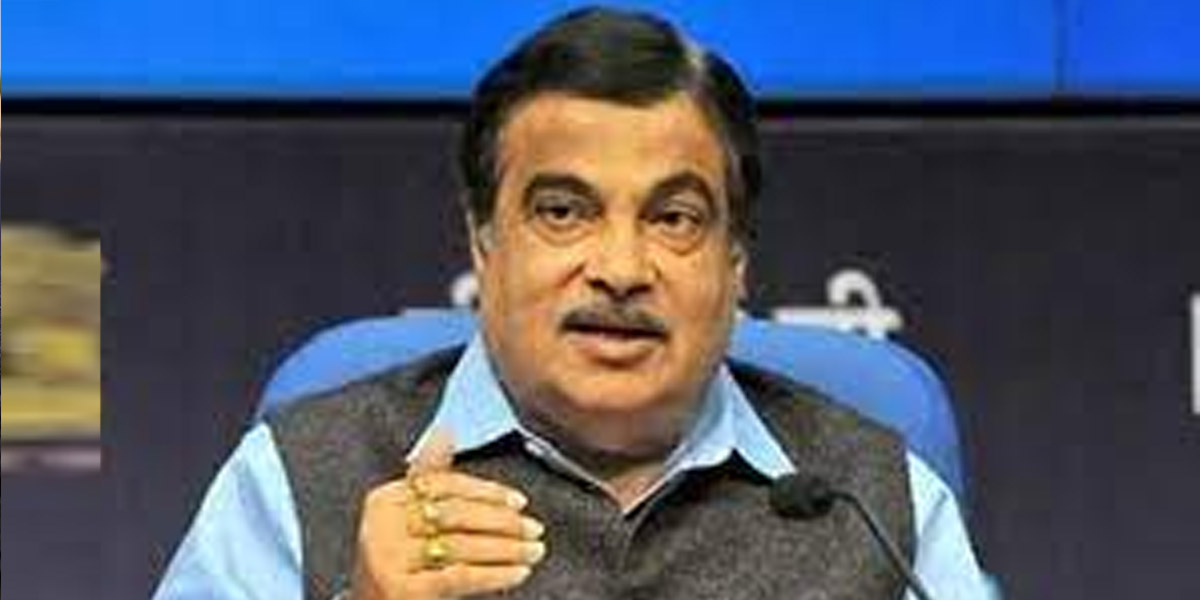
Union Minister Nitin Gadkari advocates for a robust automotive scrapping infrastructure with plans for 1000 centres and 400 fitness test points nationwide, aiming to boost the automobile sector and address environmental concerns.

In a significant push towards modernising India's automotive sector and promoting environmental sustainability, Gadkari emphasises the need for 1000 scrapping centres and 400 fitness test points across the country. The ambitious plan aims to streamline the scrapping process for old vehicles, enhance road safety, and reduce vehicular pollution.

Gadkari's proposal aligns with the government's broader vision to revitalise the automotive industry by encouraging the scrapping of older vehicles and facilitating the transition to more fuel-efficient and eco-friendly options. The establishment of a widespread network of scrapping centres and fitness test points is expected to create a structured framework for ensuring the roadworthiness of vehicles and reducing emissions.

The move comes as part of a comprehensive strategy to address the challenges posed by aging and polluting vehicles on Indian roads. By incentivising the scrapping of old vehicles and enforcing fitness tests, the government aims to improve overall road safety, decrease air pollution, and boost the automotive sector.

As India positions itself for a greener and more sustainable future, Gadkari's proposal marks a crucial step towards aligning the automotive industry with environmental goals and ensuring a safer and more efficient transportation landscape.

Union Minister Nitin Gadkari advocates for a robust automotive scrapping infrastructure with plans for 1000 centres and 400 fitness test points nationwide, aiming to boost the automobile sector and address environmental concerns. In a significant push towards modernising India's automotive sector and promoting environmental sustainability, Gadkari emphasises the need for 1000 scrapping centres and 400 fitness test points across the country. The ambitious plan aims to streamline the scrapping process for old vehicles, enhance road safety, and reduce vehicular pollution. Gadkari's proposal aligns with the government's broader vision to revitalise the automotive industry by encouraging the scrapping of older vehicles and facilitating the transition to more fuel-efficient and eco-friendly options. The establishment of a widespread network of scrapping centres and fitness test points is expected to create a structured framework for ensuring the roadworthiness of vehicles and reducing emissions. The move comes as part of a comprehensive strategy to address the challenges posed by aging and polluting vehicles on Indian roads. By incentivising the scrapping of old vehicles and enforcing fitness tests, the government aims to improve overall road safety, decrease air pollution, and boost the automotive sector. As India positions itself for a greener and more sustainable future, Gadkari's proposal marks a crucial step towards aligning the automotive industry with environmental goals and ensuring a safer and more efficient transportation landscape.

Next Story
Infrastructure Urban

Implementation Status of Jal Jeevan Mission

Since August 2019 the Government has implemented Jal Jeevan Mission to provide assured potable water through household tap connections in rural India. At the start of the mission only 32.3 million (mn) rural households, representing 16.7 per cent, were reported to have tap water connections. States and union territories have reported that 125.8 mn additional rural households have since been provided with tap connections. As a result, of about 193.6 mn rural households roughly 158.2 mn, or 81.71 per cent, are reported to have tap water supply at home.\n\nThe State, district and village level st..

Next Story
Infrastructure Urban

Jal Jeevan Mission Reaches Eighty One Per Cent Rural Coverage

The Government reported substantial progress under the Jal Jeevan Mission, launched in August 2019 to provide tap water to every rural household. At launch only 32.3 million (mn) rural households had tap connections and states and Union territories reported provision of 125.8 mn additional households by March 2026. Consequently, out of about 193.6 mn rural households around 158.2 mn, or 81.71 per cent, are reported to have tap water at home. The Finance Minister announced extension of the mission until 2028 in the 2025-26 budget speech. The Swachh Bharat Mission Grameen, launched in October 20..

Next Story
Infrastructure Urban

Empowering Local Governance for Sustainable Rural Water Supply

The Ministry of Jal Shakti has aligned the Jal Jeevan Mission (JJM) with the 73rd Amendment to strengthen village level planning and community ownership of water supply. Gram Panchayats, village water and sanitation committees and Pani Samitis are to plan, implement, manage and maintain piped water systems, with gram sabha processes formalising handover and oversight. Implementation support agencies including non government organisations, community based organisations and self help groups have been empanelled to train local committees and promote women participation. Under JJM, the department ..

Advertisement

Subscribe to Our Newsletter

Get daily newsletters around different themes from Construction world.

STAY CONNECTED

Advertisement

Advertisement

Advertisement