
+
TAG Frames Strategic Roadmap for Robotics in India
Technology

TAG Frames Strategic Roadmap for Robotics in India

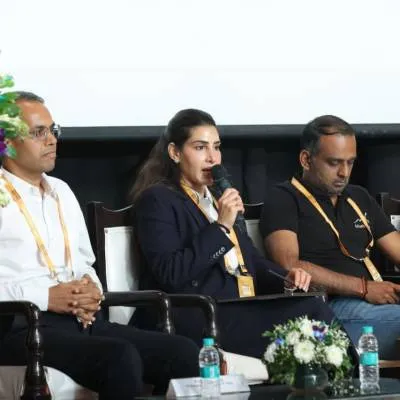
The Technology Advisory Group (TAG) of the Empowered Technology Group (ETG) met in February 2026 under the chairmanship of Professor Ajay Kumar Sood, the Principal Scientific Adviser (PSA) to the Government of India. The Office of the PSA hosted the third TAG meeting to assess the domestic robotics ecosystem and to outline a strategic roadmap for robotics and physical artificial intelligence (AI). Delegates included government officials, academics, companies and startups.

In welcome remarks a senior adviser recalled the second TAG meeting on advanced manufacturing in February 2025 and emphasised the need to focus on advanced robotic technologies. The PSA described a vision for indigenisation and for robots that augment rather than replace human labour. Sectoral priorities identified included collaborative robots and physical AI for healthcare.

The Secretary of the Ministry of Electronics and Information Technology (MeitY) outlined a draft National Strategy on Robotics created through inter ministerial consultation and noted that existing initiatives such as the IndiaAI Mission and the India Semiconductor Mission can support a future dedicated Robotics Mission. The Chair of the Defence Research and Development Organisation stressed the need for software sovereignty and indigenisation of design tools.

Presentations from research parks and academic centres outlined efforts to translate laboratory work into market ready products, to bridge academic research with industrial cobotics and strengthen skilling. Speakers highlighted tactile perception and haptics as essential for embodied intelligence and discussed indigenous humanoid and quadruped platforms as well as large scale deployment of physical AI in warehousing and retail automation. Recommendations included product linked incentives, data platforms and grand challenges.

Deliberations identified gaps in hardware, components, testing and certification and called for a coherent policy and incentive framework to strengthen domestic manufacturing and calibrated public procurement. Stakeholders urged a federated national data infrastructure, mission oriented research and development across mechanics, materials, haptics and instrumentation, and a Product Development and Partnership model to reduce fragmentation. The meeting concluded with calls for unified regulatory frameworks, accredited testing laboratories and mission linked grants to support startups and smaller firms in a national robotics roadmap.

The Technology Advisory Group (TAG) of the Empowered Technology Group (ETG) met in February 2026 under the chairmanship of Professor Ajay Kumar Sood, the Principal Scientific Adviser (PSA) to the Government of India. The Office of the PSA hosted the third TAG meeting to assess the domestic robotics ecosystem and to outline a strategic roadmap for robotics and physical artificial intelligence (AI). Delegates included government officials, academics, companies and startups. In welcome remarks a senior adviser recalled the second TAG meeting on advanced manufacturing in February 2025 and emphasised the need to focus on advanced robotic technologies. The PSA described a vision for indigenisation and for robots that augment rather than replace human labour. Sectoral priorities identified included collaborative robots and physical AI for healthcare. The Secretary of the Ministry of Electronics and Information Technology (MeitY) outlined a draft National Strategy on Robotics created through inter ministerial consultation and noted that existing initiatives such as the IndiaAI Mission and the India Semiconductor Mission can support a future dedicated Robotics Mission. The Chair of the Defence Research and Development Organisation stressed the need for software sovereignty and indigenisation of design tools. Presentations from research parks and academic centres outlined efforts to translate laboratory work into market ready products, to bridge academic research with industrial cobotics and strengthen skilling. Speakers highlighted tactile perception and haptics as essential for embodied intelligence and discussed indigenous humanoid and quadruped platforms as well as large scale deployment of physical AI in warehousing and retail automation. Recommendations included product linked incentives, data platforms and grand challenges. Deliberations identified gaps in hardware, components, testing and certification and called for a coherent policy and incentive framework to strengthen domestic manufacturing and calibrated public procurement. Stakeholders urged a federated national data infrastructure, mission oriented research and development across mechanics, materials, haptics and instrumentation, and a Product Development and Partnership model to reduce fragmentation. The meeting concluded with calls for unified regulatory frameworks, accredited testing laboratories and mission linked grants to support startups and smaller firms in a national robotics roadmap.

Next Story
Infrastructure Transport

Second Mountain Tunnel Breakthrough in Palghar Advances High Speed Rail

The Mumbai-Ahmedabad high speed rail (MAHSR) project reached a milestone with the breakthrough of a mountain tunnel in Palghar, Maharashtra. Mountain tunnel MT-six measures 454 metres long and 14.4 metres wide and will accommodate up and down tracks. The breakthrough follows MT-five near Saphale on second January 2026 and the MT-six excavation was completed from both ends using the New Austrian Tunnelling Method. The ministry reported that the tunnelling was completed within 12 months. The New Austrian Tunnelling Method is favoured for its flexibility in complex geology and irregular tunnel s..

Next Story
Infrastructure Transport

Modi Government Pushes Atmanirbhar Container Drive With BCSL MoU

The Union Government advanced a plan to create an integrated, domestically anchored container ecosystem with the signing of a Memorandum of Understanding to establish the Bharat Container Shipping Line (BCSL). The MoU was signed by key agencies including the Shipping Corporation of India and Container Corporation of India alongside major port authorities and Sagarmala Finance Corporation Limited under the Ministry of Ports, Shipping and Waterways, in the presence of senior ministers. The initiative aligns with the Container Manufacturing Assistance Scheme announced in the Union Budget 2026–2..

Next Story
Infrastructure Urban

Ministry Reports Gains In Mobility For Marginalised Communities

The Ministry of Social Justice and Empowerment is implementing skill development, education and rehabilitation schemes to promote socio-economic mobility and sustainable livelihoods for marginalised and disadvantaged communities across the country. Programmes target Scheduled Castes, Other Backward Classes, Economically Weaker Sections, De-notified Tribes and Safai Karamcharis through specialised implementing corporations and empanelled training institutes. Pradhan Mantri Dakshata Aur Kushalta Sampann Hitgrahi Yojana, or PM-DAKSH, provided skill training and placement support through the Nati..

Advertisement

Subscribe to Our Newsletter

Get daily newsletters around different themes from Construction world.

STAY CONNECTED

Advertisement

Advertisement

Advertisement

Open In App