Government Releases Rs. 10 bn PMEGP Subsidy for Micro-Enterprises
ECONOMY & POLICY

Government Releases Rs. 10 bn PMEGP Subsidy for Micro-Enterprises

The Government has released Rs. 10 bn in Margin Money subsidy under the Prime Minister’s Employment Generation Programme (PMEGP), a credit-linked initiative aimed at supporting the creation of new micro-enterprises. The release was announced at a special function organised by the Ministry of Micro, Small and Medium Enterprises in New Delhi.

The subsidy will support more than 11,000 beneficiaries whose project loans have been sanctioned by banks. The loans, amounting to approximately Rs. 32 bn, will help the beneficiaries establish new micro-enterprises across a range of sectors. The financial assistance is intended to help them move from approved proposals to operational businesses, with the subsidy serving as support alongside institutional lending.

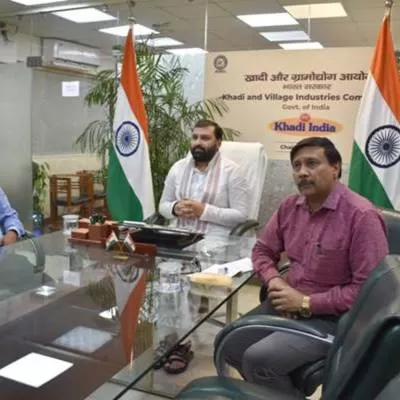
Minister for Micro, Small and Medium Enterprises Jitan Ram Manjhi oversaw the release at the function. He reiterated the Government’s commitment to ensuring that aspiring entrepreneurs receive adequate institutional support to turn their business plans into viable enterprises. The event highlighted the role of coordinated support from government agencies and banks in enabling applicants to access finance and establish income-generating activities.

The programme places particular emphasis on applicants from rural areas, women, Scheduled Castes, Scheduled Tribes, Other Backward Classes and economically weaker sections. By linking bank finance with a subsidy, PMEGP is designed to lower the initial funding burden for eligible applicants and improve access to formal institutional credit. This approach also seeks to encourage wider participation in entrepreneurship by making formal credit more accessible to groups identified as priority beneficiaries under the programme.

PMEGP is one of the Government’s flagship programmes for generating sustainable self-employment in the non-farm sector. It supports the establishment of new micro-enterprises and is intended to expand livelihood opportunities while encouraging entrepreneurship among groups that face barriers to conventional finance. The latest release underlines the role of subsidy-backed credit in promoting small-scale enterprise development across the country.

The Government has released Rs. 10 bn in Margin Money subsidy under the Prime Minister’s Employment Generation Programme (PMEGP), a credit-linked initiative aimed at supporting the creation of new micro-enterprises. The release was announced at a special function organised by the Ministry of Micro, Small and Medium Enterprises in New Delhi. The subsidy will support more than 11,000 beneficiaries whose project loans have been sanctioned by banks. The loans, amounting to approximately Rs. 32 bn, will help the beneficiaries establish new micro-enterprises across a range of sectors. The financial assistance is intended to help them move from approved proposals to operational businesses, with the subsidy serving as support alongside institutional lending. Minister for Micro, Small and Medium Enterprises Jitan Ram Manjhi oversaw the release at the function. He reiterated the Government’s commitment to ensuring that aspiring entrepreneurs receive adequate institutional support to turn their business plans into viable enterprises. The event highlighted the role of coordinated support from government agencies and banks in enabling applicants to access finance and establish income-generating activities. The programme places particular emphasis on applicants from rural areas, women, Scheduled Castes, Scheduled Tribes, Other Backward Classes and economically weaker sections. By linking bank finance with a subsidy, PMEGP is designed to lower the initial funding burden for eligible applicants and improve access to formal institutional credit. This approach also seeks to encourage wider participation in entrepreneurship by making formal credit more accessible to groups identified as priority beneficiaries under the programme. PMEGP is one of the Government’s flagship programmes for generating sustainable self-employment in the non-farm sector. It supports the establishment of new micro-enterprises and is intended to expand livelihood opportunities while encouraging entrepreneurship among groups that face barriers to conventional finance. The latest release underlines the role of subsidy-backed credit in promoting small-scale enterprise development across the country.

Related Stories

Gold Stories

Next Story
Equipment

Terex to Acquire Keestrack, Expanding Crushing Portfolio

Terex Corporation has signed a definitive agreement to acquire Keestrack, a manufacturer of mobile crushing, screening and related equipment for the aggregates, recycling, construction and demolition industries. Financial terms were not disclosed.Founded in Belgium in 1988, Keestrack serves customers in more than 65 countries through a network of over 70 distributors. The acquisition will expand Terex Materials Processing’s crushing and screening portfolio and add manufacturing and distribution capabilities.After completion, Keestrack will continue as an independent brand within the Terex Ma..
Next Story
Infrastructure Energy

IES Taskforce Reviews Final Report on Power-Sector Digital Platform

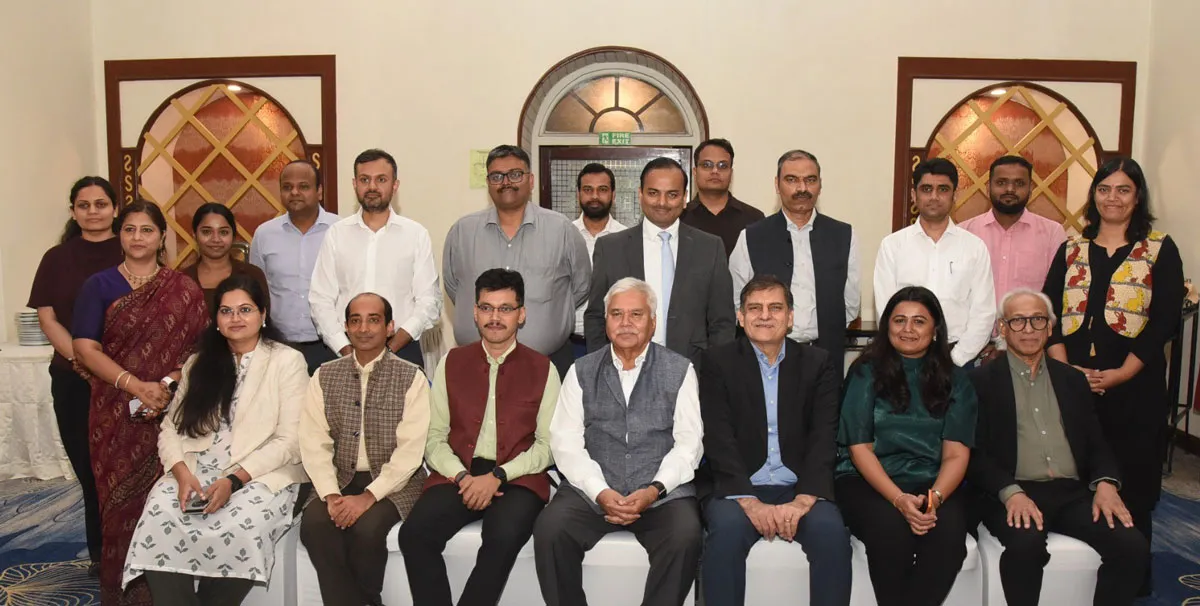
The India Energy Stack (IES) Taskforce has reviewed its Final Report in New Delhi. The document sets out a strategy, architecture, governance framework and pathway to scale IES as digital public infrastructure for India’s power sector. The Ministry of Power constituted the Taskforce in June 2025.The report was presented by Prince Dhawan, Executive Director, REC Limited, and Swetha Ravi Kumar, Executive Director, FSR Global. Dr Ram Sewak Sharma, Chairperson of the Taskforce, outlined the way forward.IES is a common set of open standards and protocols designed to let utilities, regulators, mar..
Next Story
Infrastructure Urban

LANXESS, HINCOL Partner on Road Construction Technologies

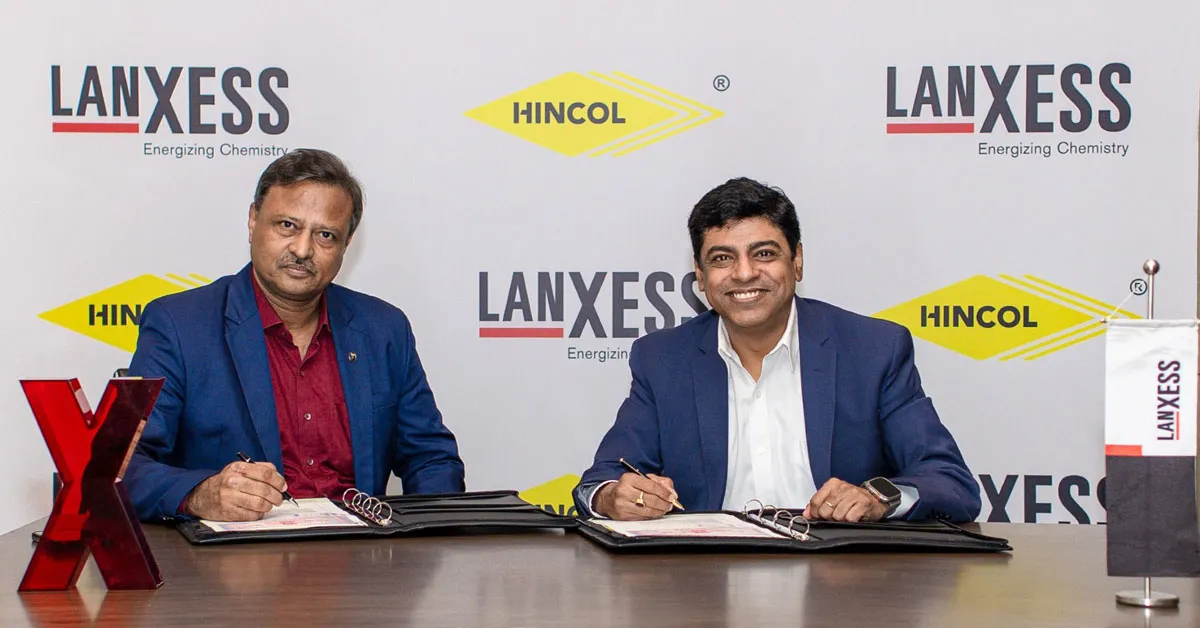
LANXESS India and Hindustan Colas Private Limited (HINCOL) have signed a Memorandum of Understanding to assess technical and commercial opportunities in bitumen and asphalt modification for India’s infrastructure market.The companies will conduct laboratory and commercial-scale evaluations of Addipave CR 36, LANXESS’ cross-linking technology for polymer-modified bitumen (PMB). LANXESS will provide the product, technical expertise and trial support, while HINCOL will contribute testing facilities, operational support and performance assessments under local conditions. The trials will examin..

Advertisement

Subscribe to Our Newsletter

Get daily newsletters around different themes from Construction world.

STAY CONNECTED

Advertisement

SPECIAL OFFER
QR Code